There comes a point in the life of a creative project when growth creates a problem of its own. The Haus Of Legends did not suddenly wake up one morning with a broken website. In many ways, the opposite had happened. Over the years, the website had accumulated artwork, collections, products, books, journals, educational resources, articles, experiments, ideas, and entirely new directions that did not exist when the site was originally built.
The business had grown. The website had grown with it. New plugins were added when new functions were needed. New products were published. New categories appeared. New projects became part of the business. The educational side of The Haus expanded. Publishing became increasingly important. Print-on-demand fulfillment became more complex. The Creative Bridge developed into something much larger than a single journal.
The site continued working through all of it, but there had never really been a moment when everything stopped long enough for the entire structure to be reconsidered as one system.
Then something happened that forced me to stop.
The Problem That Opened the Door
Project Renaissance did not actually begin with a website audit. It began when I realized that someone appeared to be attacking one of the weakest points of my website.
I started noticing unusual behavior connected to the subscriber system. Plugins would become deactivated unexpectedly, and at one point I noticed the WordPress plugin Hello Dolly appearing when I was not expecting it. I began researching what I was seeing and working through the problem with the AI support agent provided by my hosting company, Hostinger.
What initially looked like an annoying technical problem quickly became considerably more serious.
The suspected malicious code had to be located and removed. Passwords needed to be changed. WordPress had to be reinstalled. Security software capable of performing deeper scans of the website and database had to be added. Every step uncovered another layer that needed to be checked.
The Hostinger AI agent was extremely helpful because it could explain what I needed to do step by step, but it was not going inside my website and doing everything for me. I actually preferred it that way. I wanted to understand what was happening.
I have always looked at repairs the same way. If you have to call a plumber or contractor to fix something expensive, stand over his shoulder and pay attention. Ask questions. Watch what he does. Learn enough that, if the same thing happens again, you at least recognize the problem.
So that is what I did with the website.
I followed the instructions, worked through the files, changed passwords, reinstalled software, scanned the database, and eventually believed I had corrected the problem.
Then the website began slowing down.
The WordPress page editor became increasingly difficult to load. Sometimes it would not load properly at all. I started investigating again, moving back and forth between Google searches, Hostinger’s AI support, security scans, plugin testing, and the website itself.
The deeper I went, the more I realized that the original security problem was only part of what I was seeing.
My investigation eventually led me back toward the email and subscriber system, particularly MailPoet, and I became concerned that the signup forms were still involved in the suspicious activity I had been dealing with. Rather than continue fighting with it, I finally removed MailPoet completely.
The malicious-code problem appeared to be resolved.
The website still was not behaving properly.
And that was when the real problem began to reveal itself.
Down the Rabbit Hole
What followed was roughly 24 hours of troubleshooting one system after another.
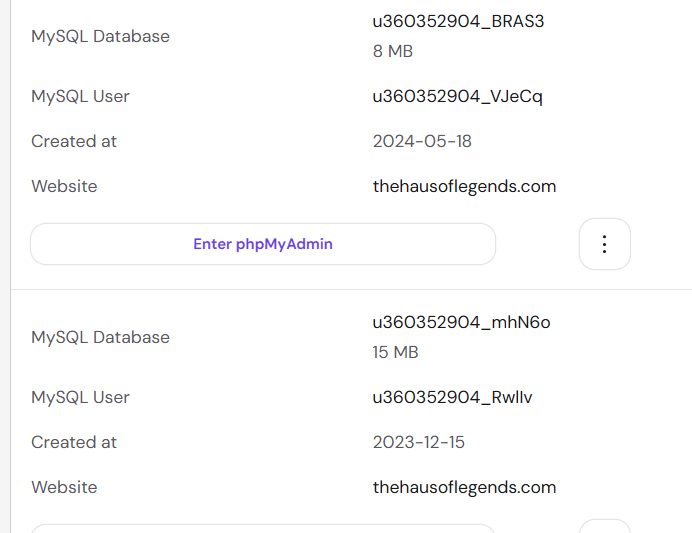
I removed plugins. I tested the page editor. I checked security scans. I examined WordPress behavior. I followed errors into WooCommerce and discovered that the site’s scheduled-task system had developed an enormous backlog. Thousands of routine WooCommerce cron jobs and scheduled actions had accumulated, with processes getting stuck or repeatedly attempting to run.
Without turning this article into a lesson in WordPress server administration, the important part is what that discovery represented.
There was no longer one problem.
There were years of little problems.
A plugin added for one purpose. Another added later. Products created through different systems. Ecommerce tasks running in the background. Subscriber tools. Security software. Old settings. Scheduled actions. Categories. Pages. Images. Links. Redirects. Product records. Search-engine listings. Print-on-demand connections.
Individually, many of these things were manageable. Collectively, they had begun interacting with one another in ways that were affecting the website continuously.
For two years, The Haus Of Legends had been growing faster than the underlying website was being reorganized.
Now the bill had arrived.
I spent about two days thinking seriously about what to do next. I considered deleting everything and starting over. There was something extremely tempting about the idea of wiping the slate clean and building a brand-new site without years of accumulated baggage.
I also considered giving up.
That may not be the glamorous part of building an independent creative business, but it is an honest part of it. When you are the person responsible for the artwork, products, writing, publishing, marketing, customer service, website, technical problems, and every decision in between, there eventually comes a moment when one more malfunction feels considerably larger than one malfunction.
I knew one thing for certain: doing nothing was no longer an option.
The website was not going to magically become easier to manage. If anything, continuing to add more products, projects, plugins, content, and features to the existing structure would only make the situation worse.
It reminded me of an aging car. Once enough neglected systems begin failing, fixing the newest noise does not necessarily address what is happening underneath the hood.
I needed to know whether The Haus was worth repairing or whether it was finally time to tear the entire thing down and rebuild.
That was when I came to Nova.
The Question Changed
Nova is my AI assistant and creative collaborator through ChatGPT, and by this point we had already worked together extensively on The Haus Of Legends, its artwork, publishing projects, educational resources, The Creative Bridge, Artistic Styles A–Z, marketing, editorial content, and the larger direction of the business.
This time, however, I was not asking for help writing a product description or developing a new project.
I needed an audit.
I wanted the website examined from top to bottom. I wanted to know what was working, what was weak, what had become disorganized, what represented a technical concern, what was confusing from a customer’s point of view, and what no longer reflected the business The Haus Of Legends had become.
Most importantly, I wanted an answer to the question I had been wrestling with for two days:
Was this website worth saving, or was it time to rebuild it?
The answer was not what I expected.
The website itself was not the failure.
The Haus had simply outgrown the structure that had been built around it.
What the Audit Revealed
The audit showed that underneath the technical problems was actually a very strong foundation.
The brand identity was strong. The artwork was distinctive. The amount of original content had become substantial. The educational side of The Haus was growing into a serious part of the business. The Creative Bridge had become the beginning of an entire publishing and educational ecosystem. Artistic Styles A–Z and the Artistic Styles & Movements series were developing into another body of educational intellectual property.
There was real ecommerce potential, an established body of work, years of indexed content, functioning customer pathways, existing product URLs, a growing editorial archive, and a business that had evolved far beyond the online store it had once been.
The problem was that all of those things had grown inside a website architecture that had never been designed for them.
Products had accumulated over time. Categories had multiplied. Different generations of naming conventions existed beside one another. Some pages still represented older versions of the business. Supplier-generated product information had worked its way into areas that should have reflected the voice of The Haus. Navigation had become less representative of everything the site contained.
Art, publishing, education, merchandise, community resources, journals, editorial content, limited editions, AI resources, and ecommerce were all competing for space inside the same structure.
The audit made something very clear to me.
The business had evolved, and the website had evolved with it, but not according to a larger architectural plan.
Eventually, those two things had stopped being the same.
Three Possible Roads Forward
Once we understood the scope of the problem, there were essentially three choices.
The first was the most dramatic: tear everything down and rebuild the website from scratch.
There was an obvious appeal to that idea. A completely new WordPress installation. Fresh categories. Clean product listings. New navigation. New pages. New templates. Everything built according to what The Haus is today rather than what it was several years ago.
It would also have placed years of accumulated value at risk.
The existing website contains indexed pages, product URLs, search-engine history, backlinks, customer bookmarks, articles, artwork, reviews, analytics history, ecommerce records, and connections between WooCommerce and outside production systems such as Printify.
Deleting everything because the backend had become frustrating could easily solve visible problems while creating dozens of new invisible ones.
The second option was to continue fixing problems individually as they appeared. Clean up a category here. Rewrite a product page there. Delete an obsolete plugin. Repair a menu. Improve some SEO. Correct a few links.
That approach would certainly make things better in the short term, but it would not solve the underlying problem. Without an overall architecture, we would simply be creating another generation of patches on top of the earlier generations.
The third option was the least glamorous.
It was also the one that made the most sense.
We would renovate.
We would understand the entire system before making major structural changes. We would preserve the parts of the website that had value, identify what no longer belonged, repair what needed repairing, reorganize what had grown disorganized, and rebuild the structure around what The Haus Of Legends had actually become.
We would do it in phases.
It would take longer.
It would require more planning.
It would require us to resist the temptation to immediately make everything look new.
But instead of throwing away years of work, we would build upon it.
That decision became Project Renaissance.
Creating the Master Blueprint
Once the decision was made to renovate rather than demolish, we needed a plan large enough to prevent us from falling straight back into the same habits that had created the problem.
That became the Website Renaissance Blueprint.
The Blueprint does not begin with fonts, colors, banners, or a new homepage. It begins with architecture because the website first needs to clearly understand what it is.
The Haus Of Legends today is not simply an online store. It is becoming an artist-founded creative studio where art, creative process, publishing, education, technology, and community meet.
The website therefore has to support all of those things without allowing them to compete with one another.
The proposed architecture separates the major areas of The Haus into clear destinations. The Haus tells the story of the brand, artist, mission, philosophy, and creative identity. Art gives artwork and collections a proper home. Shop organizes the commercial catalog. Learn becomes the educational platform. Journal contains the editorial work and The Art of Being Legendary. Community connects the Collectors List, reviews, communication, and other ways people participate in The Haus.
Then the renovation itself was divided into phases.
Cleanup and trust.
Information architecture.
Catalog cleanup.
The art-commerce experience.
The educational platform.
The Creative Bridge ecosystem.
SEO.
Performance and accessibility.
Conversion and the customer journey.
The Blueprint also established rules that are almost more important than the individual tasks. We would not perform a wholesale redesign before the architecture and content were cleaned. We would not add large numbers of new products while the catalog remained disorganized. We would not delete indexed URLs without understanding the consequences. Supplier copy would not define the voice of The Haus. Educational resources would be developed into pathways rather than isolated pages.
Most importantly, we would work sequentially.
Complete something.
Verify it.
Document it.
Then move forward.
For the first time, we were not simply repairing the website we had.
We were defining the website we wanted to become.
Why I Am Sharing the Blueprint
Most people only see websites when the work is finished. They see a polished homepage, an organized store, a new navigation menu, or a beautifully designed collection page.
They rarely see what happens underneath all of that.
They do not see the thousands of background tasks that suddenly stop behaving. The plugins that conflict. The product catalog that has accumulated years of experiments. The supplier data mixed with artistic content. The old URLs that cannot simply disappear. The pages that once made sense but no longer belong where they are.
They also do not see the decisions.
For an independent creative business, those decisions are the work.
There is no enormous development department behind The Haus Of Legends. There is no separate ecommerce department, publishing department, educational division, marketing team, technical team, and creative department sitting in different offices.
There is me.
And now there is Nova.
One man and one AI collaborator trying to renovate a Haus without accidentally knocking down a load-bearing wall.
I intend to document that process because I think there is value in allowing other independent artists, creators, and small-business owners to look over my shoulder.
I am going to show you what works.
I am going to show you what does not.
I will share the problems we discover, the mistakes I made, the ideas we abandon, the decisions that change, and the solutions that finally work. If something turns into a complete mess before we figure it out, you will probably hear about that too.
The purpose is not to pretend that there is one perfect way to build a creative website.
It is to show what it actually takes to take something that grew organically, recognize when the structure can no longer support the growth, and deliberately rebuild it without destroying everything that made it valuable in the first place.
The complete Website Renaissance Blueprint accompanies this article so you can see the same plan we are working from. You will be able to follow the phases, compare them with what happens in future articles, and watch the renovation unfold with us.
Then We Made One More Decision
Once the Blueprint existed, we had to decide where to begin.
Logically, you might expect us to begin with Phase 1.
We did not.
We decided to begin with Phase 3: Catalog Cleanup.
There was a reason.
The WooCommerce catalog had become one of the largest concentrations of accumulated history on the website. Products had been created at different times, through different systems and suppliers, under different naming conventions, for different collections and experiments. Some had strategic value. Some probably did not. Some needed rewriting. Some needed reorganizing. Some needed to disappear.
But there was another complication.
Many of those products were connected through WooCommerce to Printify for manufacturing and fulfillment.
That meant we could not simply start deleting things.
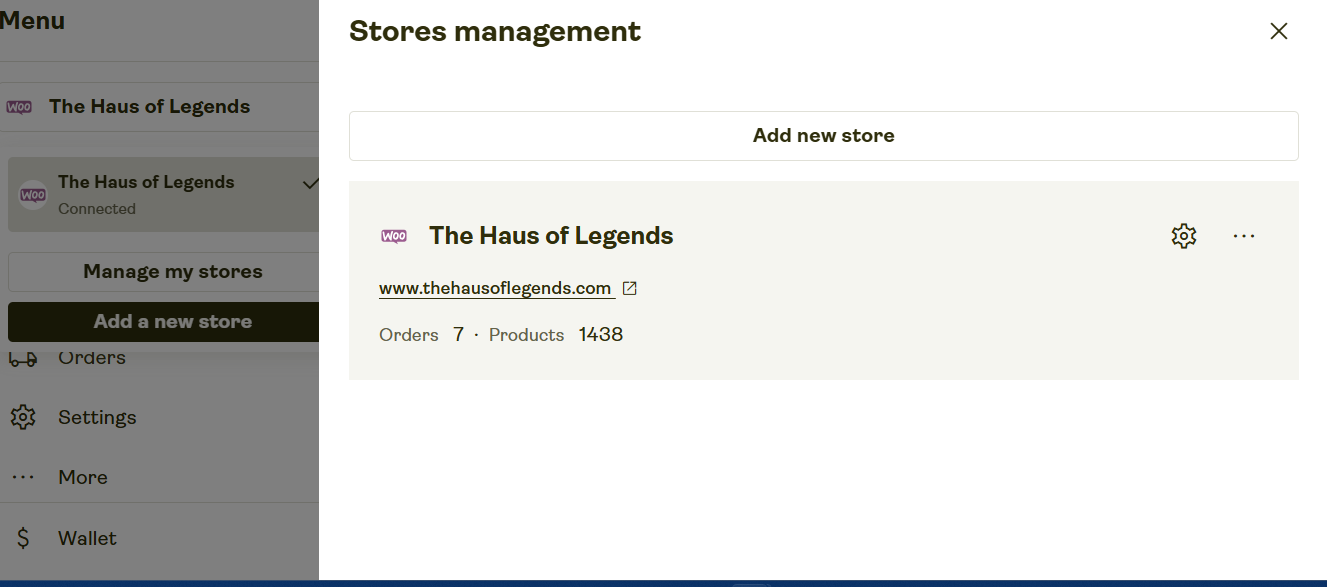
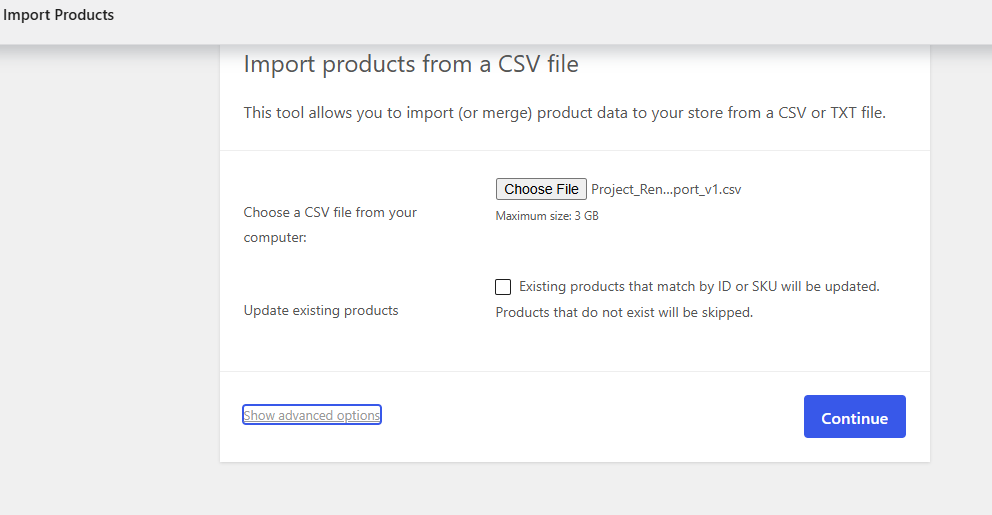
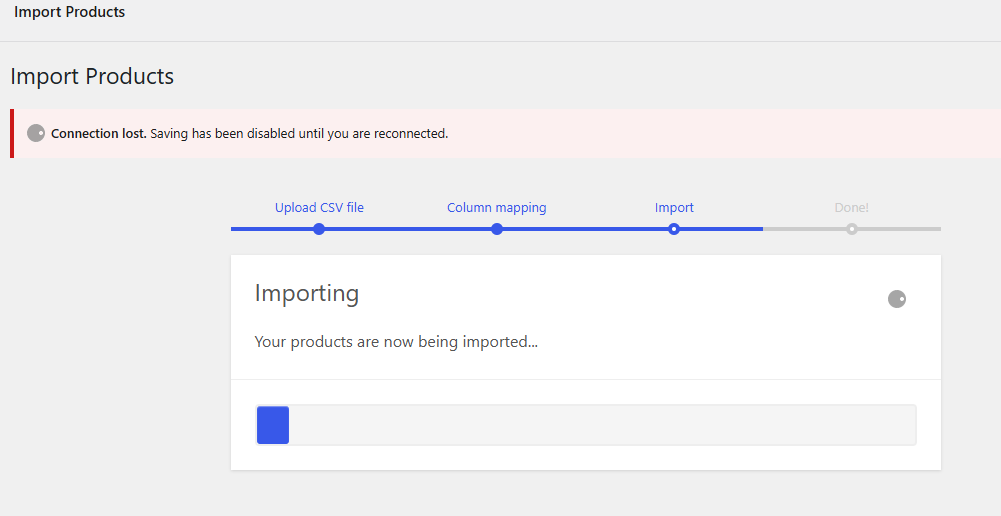
The catalog had to be extracted, examined, understood, compared, and reorganized without breaking the system that tells Printify what to manufacture when somebody places an order.
What originally sounded like one line on the Blueprint—
Catalog Cleanup
—was about to become a project of its own.
And that is where the renovation actually began.
In the next installment of Inside Project Renaissance, I will take you inside Phase 3: what we found in the catalog, how we extracted and analyzed it, the choices we had to make, what could safely be changed, what could not, what went wrong along the way, and how we began untangling several years of ecommerce history without breaking the store in the process.
This is Project Renaissance.
The Renovation of The Haus Of Legends has begun.