On creativity, skepticism, and the long history of tools that changed everything about Art
Every major evolution in art history has arrived carrying the same accusation: that this new thing — whatever it was — would cheapen creativity, deskill the artist, or render authentic expression obsolete. And every time, that accusation has proven both understandable and wrong.
Photography, printmaking, digital illustration, music production technology — each was met with genuine alarm from artists and critics who had legitimate reasons to feel unsettled. Each disrupted established hierarchies, rearranged the economics of creative work, and forced a reckoning with questions about authorship, skill, and value. And each, in time, became not the end of art but an expansion of what art could be.
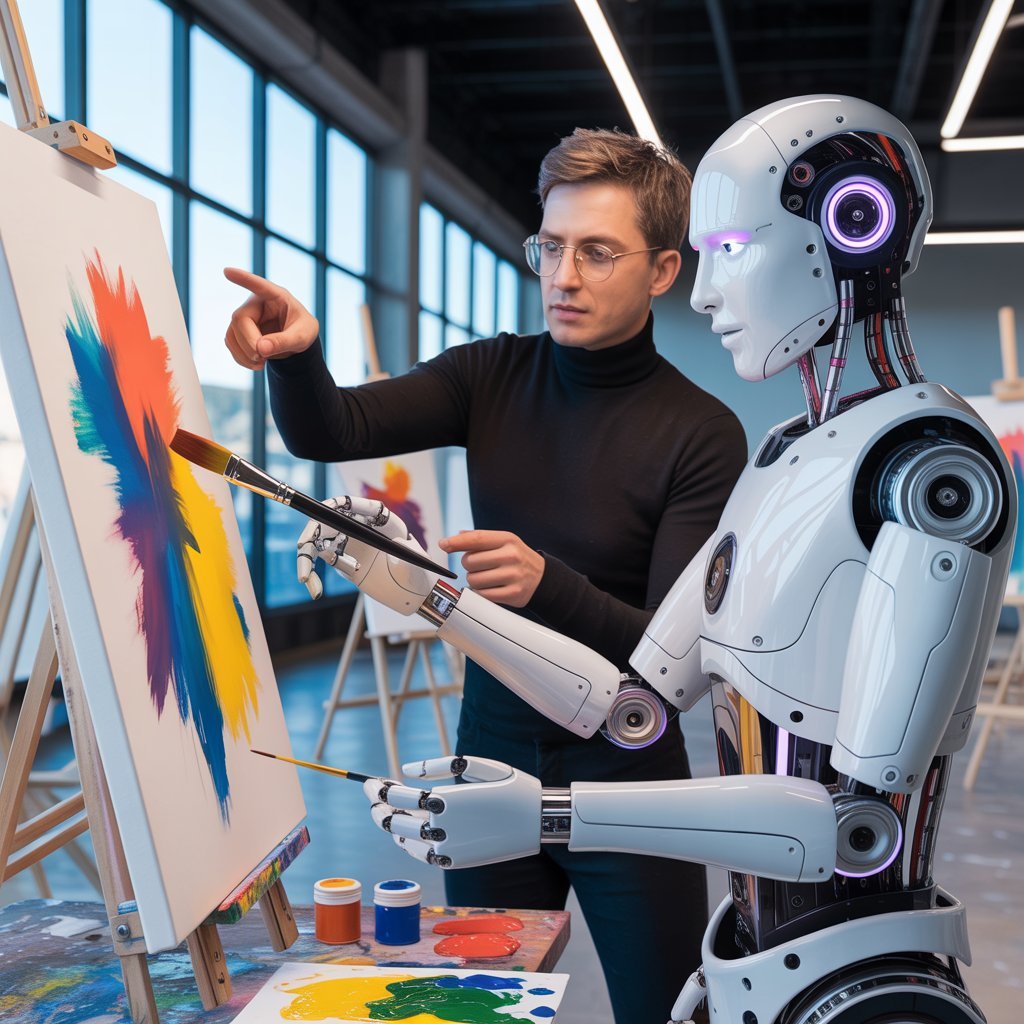
Artificial Intelligence is the latest chapter in that long history. The debates it provokes are real and worth having. But they are not new. And history offers a guide — not a blueprint, but a reminder — that the tool is rarely the story. The artist is.
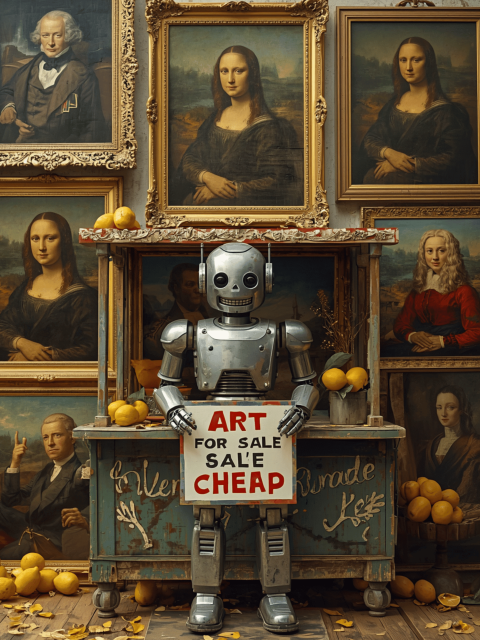
The tool is rarely the story. The artist is.
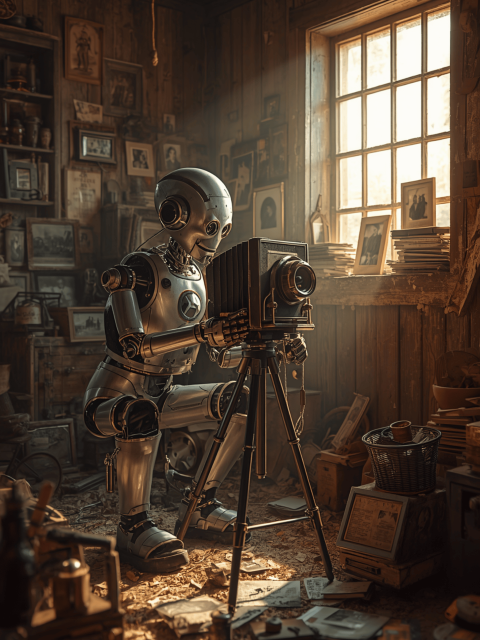
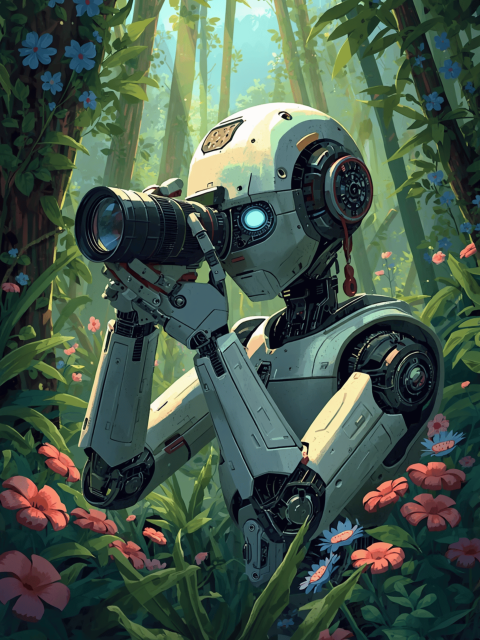
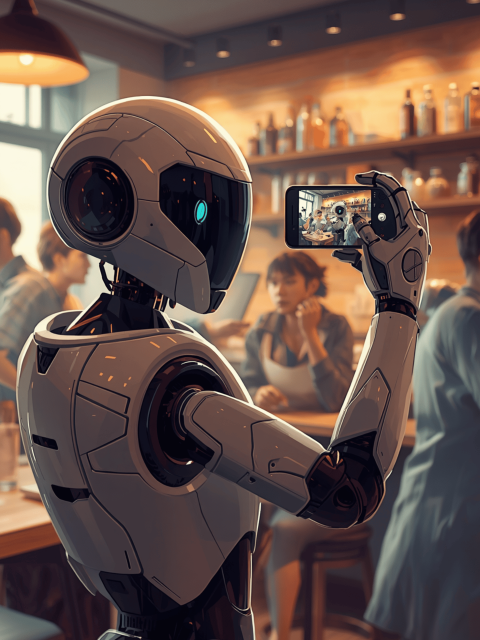
PHOTOGRAPHY — THE FIRST MACHINE ACCUSED OF REPLACING THE ARTIST
The core objection was not merely aesthetic — it was existential. If a machine could capture reality accurately and cheaply, what was the purpose of the trained hand?
When photography emerged in the 1830s and 1840s, the response from the established art world was swift and unambiguous. Many painters believed the camera would make their profession redundant. The machine could produce a likeness in minutes that might take a skilled portraitist days. Critics argued that because a mechanical device was doing the work, the result could not be considered art.
What followed was not art’s disappearance but its expansion. Photography did not eliminate the painter; it liberated painting from the obligation of pure representation. Impressionism, Expressionism, and abstraction — movements that redefined Western art — emerged in significant part because photography had taken over the documentary role, freeing painters to explore interiority, emotion, and form itself.
Photography, meanwhile, developed its own rigorous aesthetics: composition, light, timing, perspective, and the decisive moment. It became a serious fine art medium in its own right. Today, vintage photographic prints by masters such as Ansel Adams, Dorothea Lange, and Henri Cartier-Bresson are among the most collectible works in the world.
The tool changed. The importance of artistic vision did not.
PRINTMAKING — WHEN REPRODUCTION WAS CALLED INAUTHENTIC
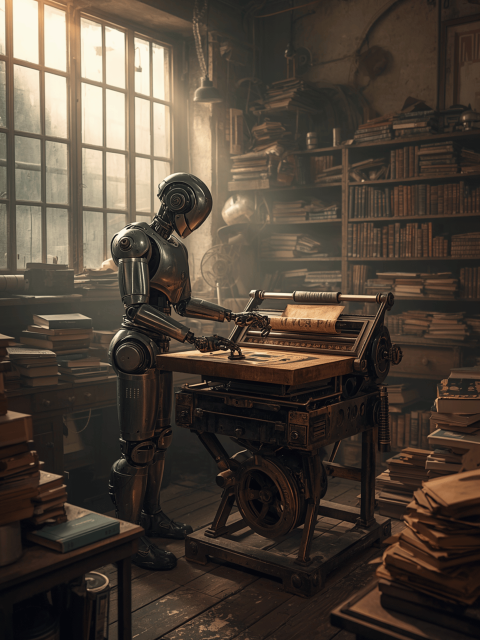
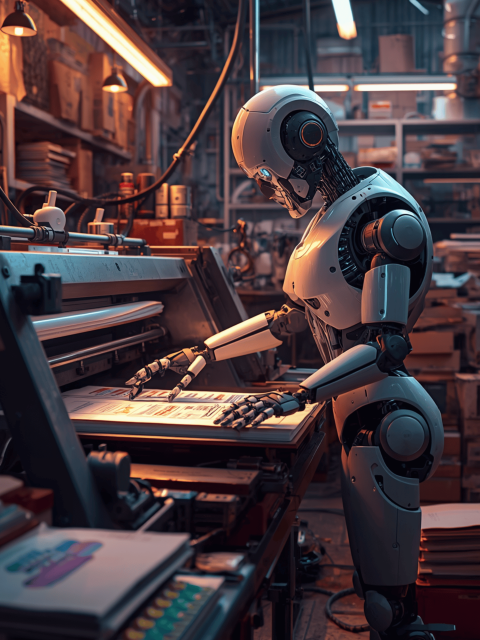
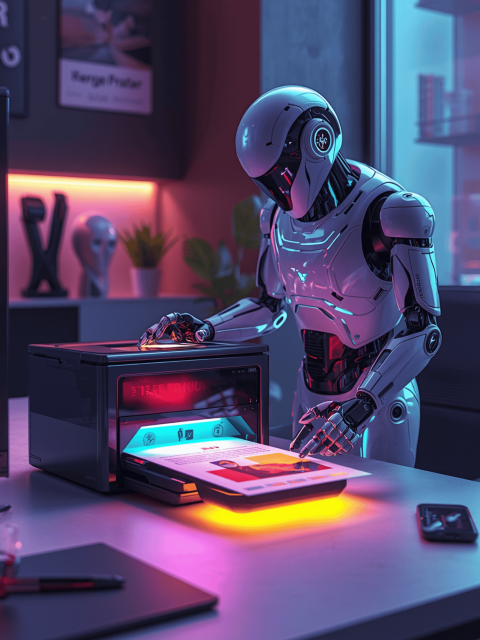
Long before digital files could be duplicated infinitely, the ability to reproduce a work mechanically raised the same anxieties. Lithography, etching, and silkscreen printing gave artists the ability to produce multiple originals from a single image. Critics questioned whether a work that could be reproduced could still hold genuine artistic value. Was the tenth print as meaningful as the first? Was the artist’s hand still present?
The answer, as it turned out, was that meaning resided not in scarcity alone but in intent, vision, and cultural resonance. Andy Warhol inverted the argument entirely: he made reproduction itself the subject, using silkscreen printing to interrogate consumer culture, celebrity, and the mass production of desire. The critique of reproduction became, in his hands, one of the most significant artistic statements of the twentieth century.
DIGITAL ART — THE ARGUMENT THAT SOFTWARE WAS CHEATING
Limited edition printmaking went on to become one of the most respected and commercially robust categories in fine art. Collectors learned what they have always known at heart: that scarcity, artistic intent, and the integrity of a vision matter far more than whether a technique allows for multiples.
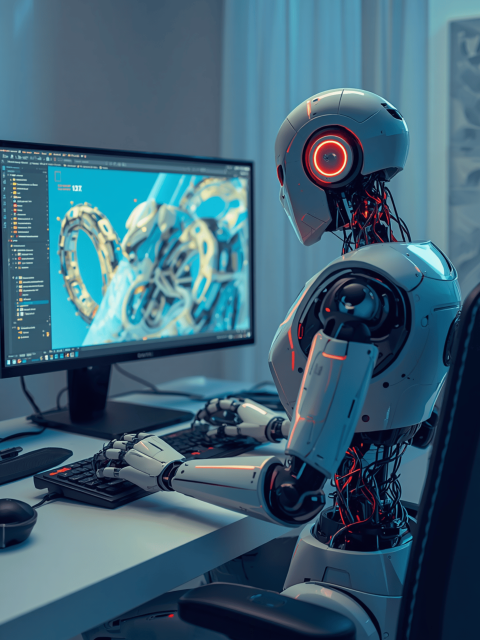
When digital painting and illustration software arrived — Adobe Photoshop, Corel Painter, and later Procreate — the art world encountered a familiar set of objections in an unfamiliar form. There was no physical canvas. Mistakes could be undone with a keystroke. Layers made experimentation faster and safer. The friction that many artists associated with craft — the resistance of the medium — had been reduced or eliminated.
The charge was that digital artists were, in some meaningful sense, cheating. That the ease of the tools diminished the legitimacy of the results.
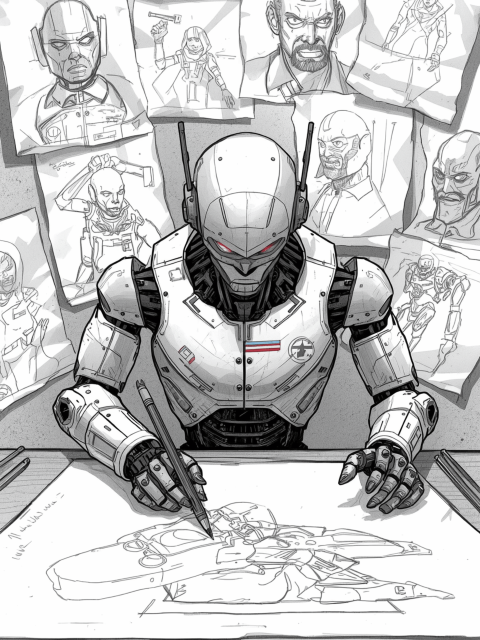
This argument underestimated what the tools actually demanded. Skill in digital media is real, substantial, and hard-won. The ability to undo a stroke does not remove the need for judgment about when and why to make it. What the software changed was the range of what an artist could explore — not the necessity of taste, vision, or the sustained creative intelligence required to produce meaningful work.
Digital art now dominates advertising, film production, animation, fashion, publishing, and gaming worldwide. Collectors purchase digital prints, limited-edition releases, concept art, and mixed-media hybrid works. The field has produced its own masters and its own evolving canon.
The software became a tool. The artist remained the author.
MUSIC TECHNOLOGY — WHEN ELECTRONIC SOUND WAS NOT “REAL” MUSIC
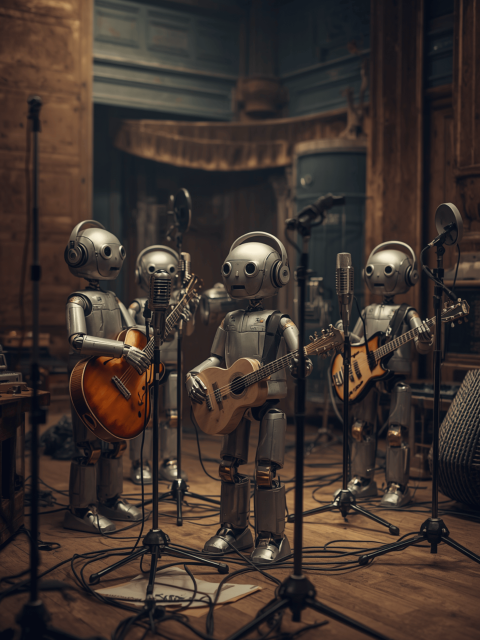
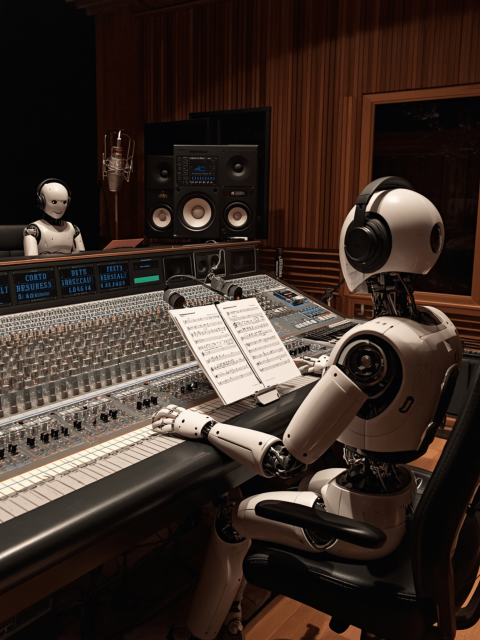
Musicians navigated the same resistance at every stage of technological development. The synthesizer was dismissed as a novelty with no soul. The drum machine was criticized for replacing the human element at the heart of rhythm. Digital audio workstations, which allowed producers to record, edit, and arrange music with unprecedented precision, were accused of making it too easy — of removing the hard-won skill of live performance and analog craft.
Sampling, in particular, provoked fierce debates about originality and authorship that remain unresolved in some circles today.
And yet. These tools gave birth to entirely new genres — electronic music, hip hop, synthwave, ambient, cinematic scoring, experimental sound design — that have reshaped global culture. Some of the most celebrated musical artists of the past half-century built their entire practice on technologies that were, at the moment of their emergence, considered inauthentic.
The tools evolved. Creative expression evolved with them.
The tools evolved. Creative expression evolved with them.
ARTIFICIAL INTELLIGENCE — THE LATEST CHAPTER IN A LONG STORY
AI is now provoking many of the same conversations that photography, digital painting, and music technology once did. Some of those conversations are urgent and legitimate — questions of consent, compensation, attribution, and the rights of artists whose work has been used to train generative systems deserve serious and ongoing attention. These are not abstract concerns.
But the deeper anxiety — that the technology itself signals the end of meaningful creative authorship — is one that history has heard before. And history’s answer has been consistent: tools alone do not create meaningful art. Artists do.
AI does not replace taste. It does not supply emotional intelligence, conceptual direction, storytelling instinct, artistic restraint, or the lived human experience that gives great work its resonance. What it can do is expand the range of what artists are able to explore — offering new forms of iteration, visual possibility, and creative experimentation.
At The Haus of Legends, AI is not used as a shortcut to mass production. It is one element within a larger creative process — guided by artistic direction, conceptual development, design experience, emotional intention, and the kind of curated storytelling that transforms images into work that endures. The result is not disposable content. It is intentionally crafted work designed to inspire, empower, and resonate with collectors who value imagination and the integrity of a creative vision.
AI does not replace taste, storytelling, or human experience. It expands the range of what artists can explore.
COLLECTABILITY HAS NEVER BEEN ABOUT THE TOOL
Collectors have never invested in art simply because of the medium. They invest because of vision. Because of emotional connection, rarity, cultural relevance, originality, and the sense that a specific human imagination has shaped what they are holding.
Whether created with oil paint, a camera, a printing press, Photoshop, or an AI-assisted workflow, meaningful art has always reflected the imagination and intention of the creator behind it. The question collectors return to, generation after generation, is not which tool was used — it is whether the work carries the unmistakable presence of a directing creative mind.
That has always been, and remains, a human quality.
CONCLUSION
Skepticism about new tools is not irrational. It is a reasonable response to disruption, and it often surfaces real problems that deserve real solutions. But skepticism becomes a limitation when it prevents the kind of sustained inquiry that has always driven art forward.
The invitation — and it is an invitation, not a requirement — is to understand. Not to adopt any particular technology uncritically, but to engage with it from a position of knowledge rather than fear. To ask what it can do, what it cannot do, and what remains irreducibly yours regardless of the tools in the room.
The story of art and technology is not a story about tools winning or artists losing. It is a story about artists — again and again, across centuries — absorbing new possibilities, asking hard questions, and producing work that outlasts the debate about how it was made.
Technology changes.
Human creativity endures.
Part of The Haus of Legends Educational Series
Creative Literacy for a New Renaissance
Continue Learning
This article is part of The Haus Of Legends educational ecosystem. Continue with: