Understanding Impressionism: History, Characteristics, Artists, Influence & AI Art Prompts
Introduction to Impressionism
Impressionism is one of the most influential artistic movements in the history of Western art. Emerging in France during the late nineteenth century, it fundamentally changed the way artists approached painting, light, color, composition, and everyday life. Rather than attempting to reproduce the world with meticulous academic precision, Impressionist artists sought to capture the visual experience of a particular moment—the changing quality of light, the movement of people, the atmosphere of a landscape, or the fleeting sensation of seeing something in real time.
The movement developed primarily in and around Paris during the 1860s and 1870s, reaching a defining moment with the first independent Impressionist exhibition in Paris in 1874. The exhibition was organized by a group of artists who were frustrated with the conservative standards of the official Paris Salon. Their decision to exhibit independently represented not merely a stylistic rebellion but a challenge to the institutional system that determined which artists and artworks were considered worthy of public attention.
Impressionism emerged during a period of extraordinary social and technological transformation. Paris was being rebuilt and modernized, railways were expanding, photography was changing visual culture, industrialization was accelerating, and new forms of entertainment and leisure were reshaping everyday experience. The Impressionists made this modern world one of their subjects.
Their paintings could depict fashionable boulevards, cafés, theaters, dancers, railway stations, rivers, gardens, beaches, suburban excursions, domestic interiors, and ordinary people at leisure. In doing so, Impressionism helped establish modern life itself as a legitimate subject for serious art.
Today, Impressionism remains enormously influential. Its emphasis on perception, atmosphere, experimentation, and individual artistic vision continues to influence painting, photography, illustration, cinematography, graphic design, digital art, and AI-generated imagery.
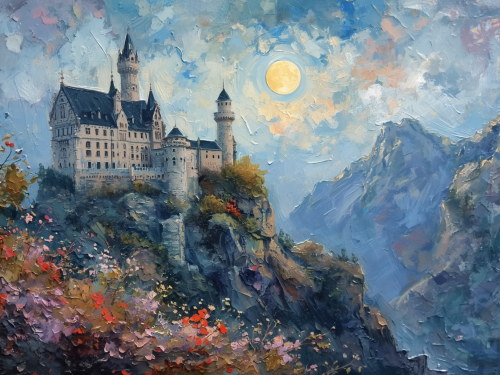
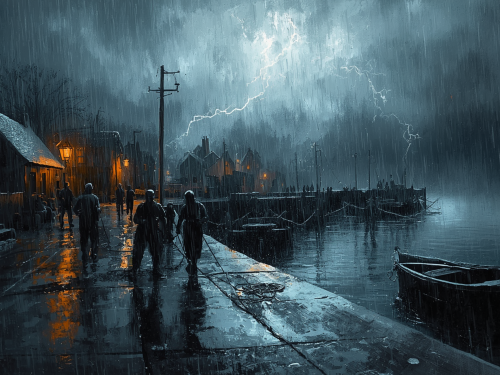
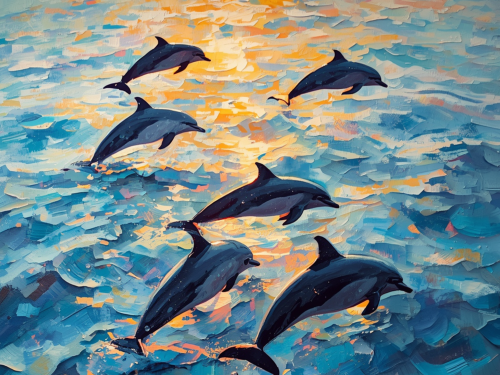
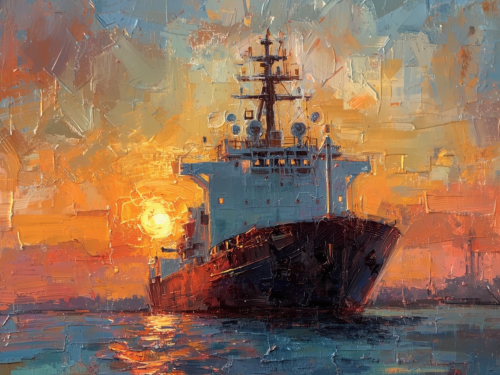
Characteristics of Impressionism

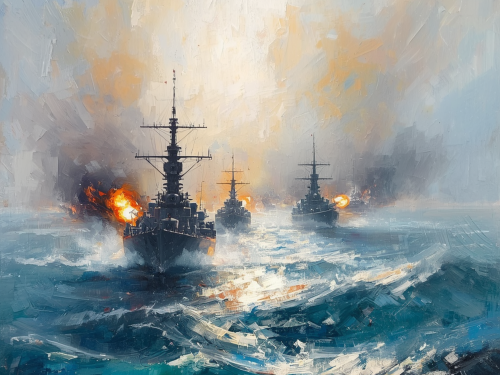

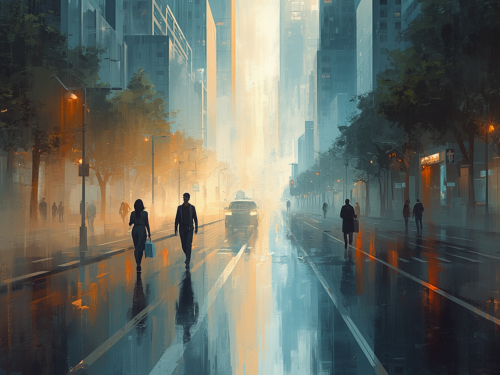
The defining characteristic of Impressionism is its interest in the experience of seeing rather than simply describing what is seen.
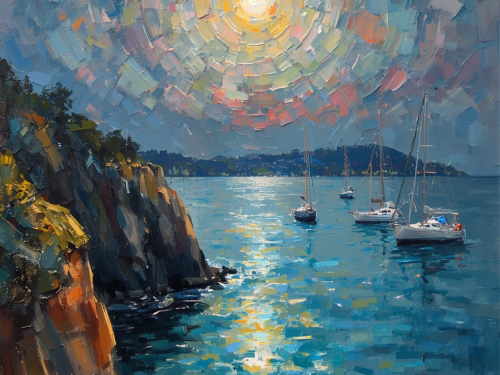
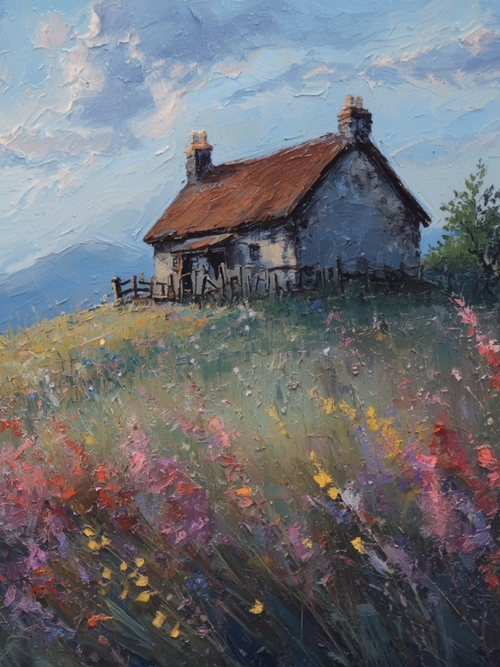
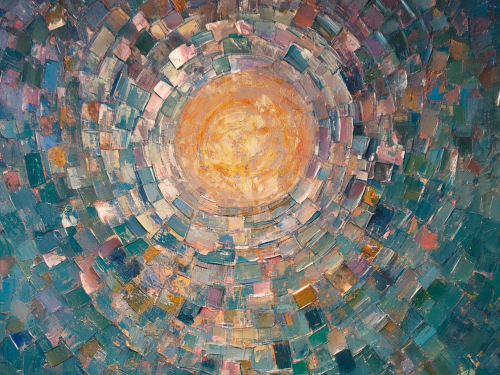
Impressionist painters frequently used visible, relatively short and broken brushstrokes rather than smoothly blended surfaces. Colors were often placed beside one another so that the viewer’s eye could visually combine them. Instead of relying heavily on black and gray to construct shadows, artists frequently used complementary or contrasting colors to suggest changes in illumination.
Light became a subject in its own right.
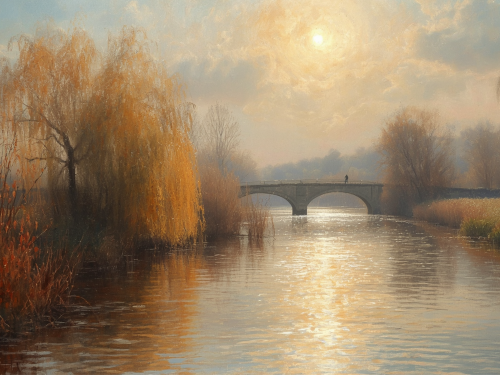
The same building, tree, bridge, river, or landscape might appear dramatically different depending on the time of day, weather, season, or atmospheric conditions. Claude Monet’s repeated paintings of particular subjects demonstrate this fascination with changing light and perception.
Impressionist compositions could also appear spontaneous or casually observed. Figures might be cropped by the edge of the canvas, perspectives could seem unusual, and scenes could appear as though the viewer had encountered them momentarily rather than having been presented with a carefully staged historical tableau.
Yet the apparent spontaneity of Impressionism can be deceptive. Many Impressionist paintings contain highly sophisticated decisions concerning composition, color relationships, perspective, and visual rhythm. The unfinished appearance was often part of a deliberate artistic language rather than evidence of incomplete work.
Mediums and Techniques
Oil paint on canvas was the principal medium associated with Impressionism, although Impressionist artists also worked in drawing, printmaking, pastel, watercolor, and other media.
Several techniques became particularly important.
Broken brushwork allowed individual strokes of color to remain visible rather than being completely blended.
Color juxtaposition placed contrasting or complementary colors beside one another to create optical intensity.
Wet-on-wet painting allowed artists to work rapidly and make adjustments while the paint remained fluid.
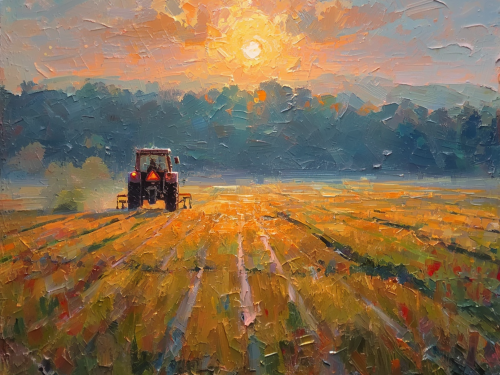
Plein-air painting, or painting outdoors directly from observation, became an important component of Impressionist practice. Working outside allowed artists to study natural light and atmospheric conditions firsthand.
Portable paint supplies, improved pigments, and the development of commercially available collapsible paint tubes made outdoor painting increasingly practical during the nineteenth century.
Photography also influenced the visual environment in which Impressionism developed. Cropping, unusual viewpoints, instantaneous observation, and the fragmentary quality of photographic images contributed to a broader transformation in how artists thought about composition.

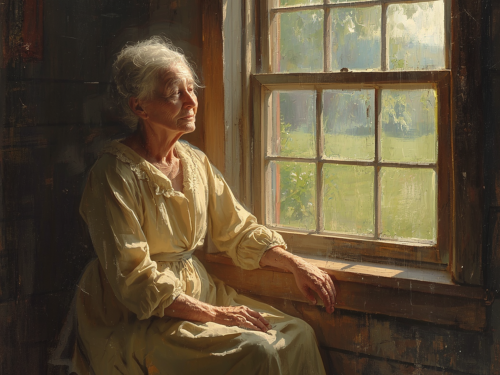
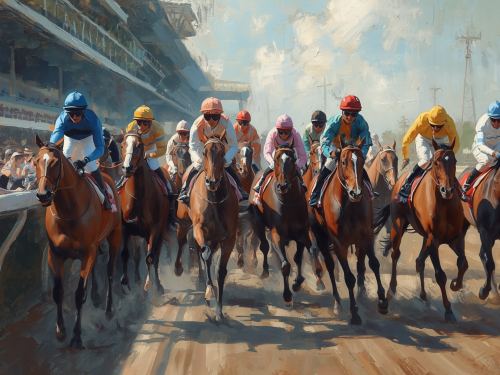
Artistic Expression and Visual Language
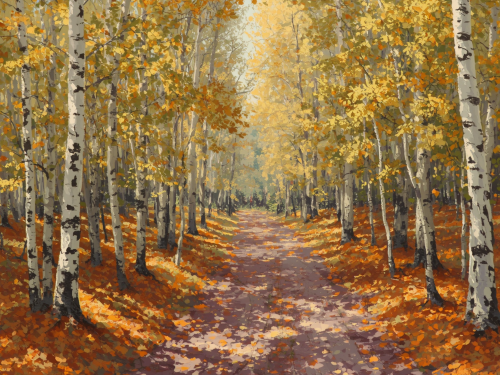
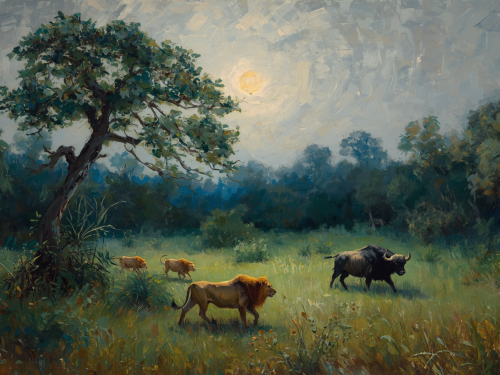
Impressionism is fundamentally concerned with perception.
The Impressionist painting does not necessarily ask, “What does this object look like under ideal conditions?” Instead, it asks something closer to, “What does this scene look like right now, under this particular light, from this particular viewpoint?”
This distinction is central to understanding the movement.
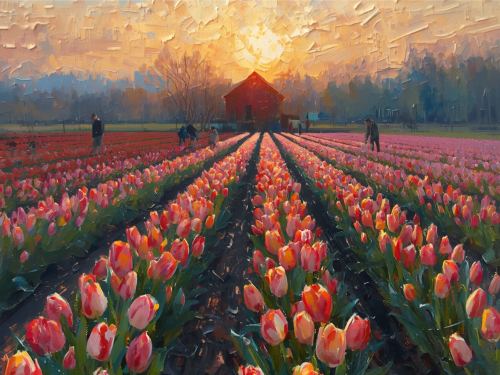
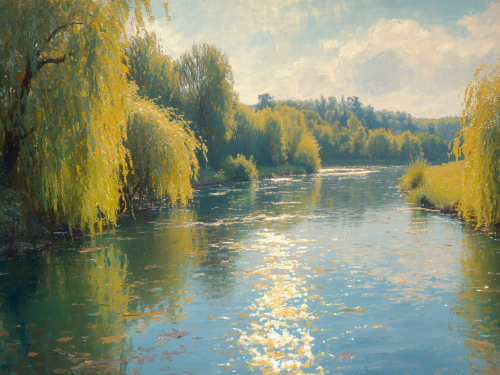
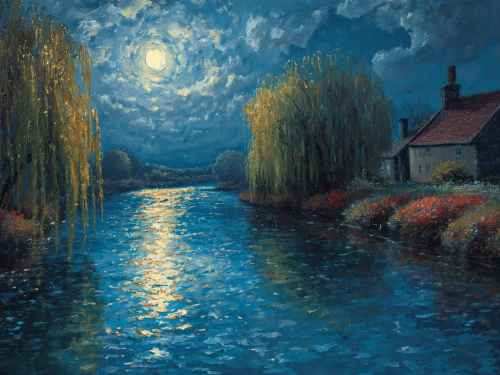
Color is therefore one of Impressionism’s most important expressive tools. Blues, violets, greens, yellows, oranges, pinks, and reds may interact across a canvas to create the sensation of sunlight, reflected color, atmospheric haze, water, foliage, or human skin.
Shadows are frequently colorful rather than simply dark. Water can become a field of reflected blues and greens. Snow can contain violet, blue, pink, and yellow. Sunlight can dissolve solid forms into shifting fields of color.
Composition can also be unconventional. A figure may be cut off by the edge of the canvas. A group of people may occupy only part of the image. The horizon may be unusually high or low. A familiar subject may be viewed from an unexpected angle.
This visual language gives Impressionism a sense of movement and immediacy.
The paintings often feel as though the viewer has arrived in the middle of an event rather than being presented with a predetermined narrative.
Functionality and Purpose
Impressionism was not created primarily to fulfill a religious, political, or institutional function. Its significance instead lies partly in its rejection of the established hierarchy of artistic subjects.
The academic tradition favored historical, mythological, religious, and allegorical subjects, often presented on large canvases with carefully controlled compositions. The Impressionists demonstrated that a contemporary street, a railway station, a garden, a dance hall, or a person enjoying an afternoon by the river could also become worthy material for ambitious art.
The movement therefore helped expand the cultural definition of what art could depict.
It also challenged who controlled artistic legitimacy. The first Impressionist exhibition was organized independently of the official Salon system, which traditionally played an enormous role in determining professional recognition and commercial opportunity.
This independent exhibition model would become an important precedent for later avant-garde artists.
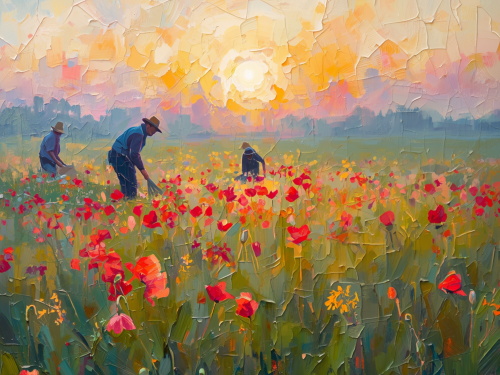
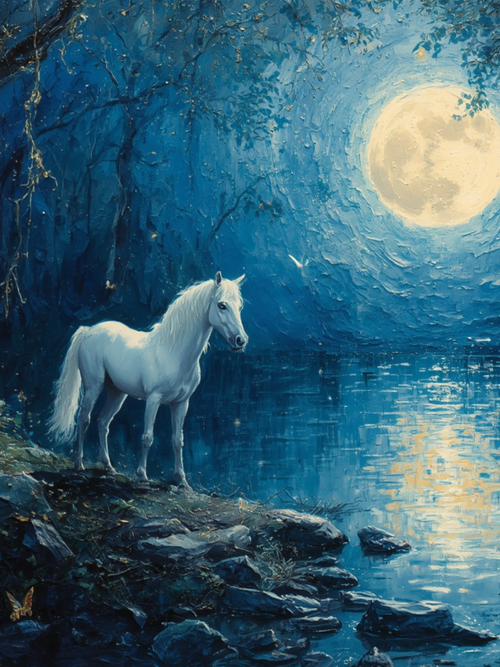
Geographic Origins and Global Influence

Impressionism originated primarily in France, particularly in Paris and the surrounding region.
Paris was the movement’s cultural center, but nearby locations became equally important. Argenteuil, situated along the Seine and easily accessible by train from Paris, became an especially significant location for the development of Impressionist painting. Monet lived there beginning in 1871, and other artists including Renoir, Manet, Sisley, and Boudin worked there at various points.
The railway was particularly important to Impressionist culture. It made suburban and rural locations more accessible to urban residents and artists, contributing to new patterns of recreation and leisure.
As Impressionism gained recognition, its influence spread beyond France. Artists throughout Europe, Britain, and the United States responded to its ideas about color, light, modern life, and artistic independence.
American artists including Mary Cassatt and John Singer Sargent became important participants in the broader international story of Impressionism, while European artists adapted its principles to their own cultural environments.
Major Themes of Impressionism
Several recurring themes define Impressionist art.
Light and atmosphere — The changing effects of natural light are perhaps the movement’s most recognizable concern.
Modern life — Impressionists frequently depicted contemporary urban and suburban experience rather than historical subjects.
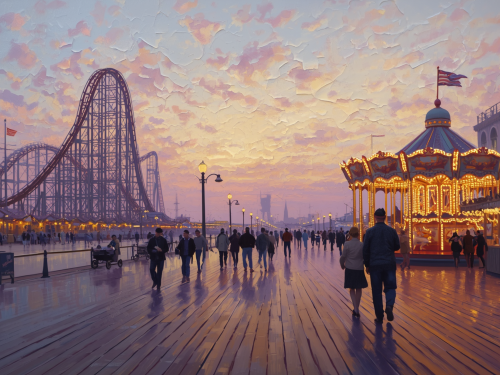
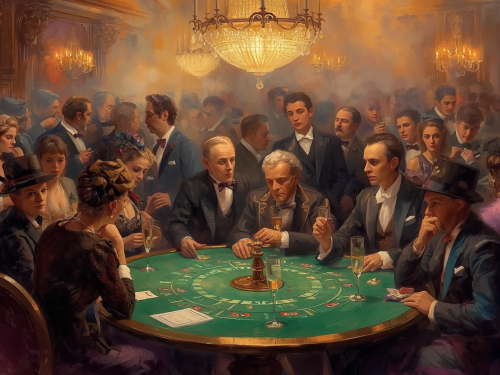
Leisure and entertainment — Cafés, theaters, dance halls, gardens, boating, horse racing, beaches, and social gatherings appear frequently.
Nature — Rivers, gardens, fields, coastlines, trees, snow, sunlight, and changing weather became important subjects.
Movement and temporality — Many Impressionist paintings attempt to capture moments that are inherently temporary.
Individual perception — The artist’s personal visual experience becomes more important than strict academic representation.
The changing city — Modern Paris—with its boulevards, cafés, public spaces, transportation systems, and entertainment venues—became an artistic subject in its own right.

Visual Description of the Style
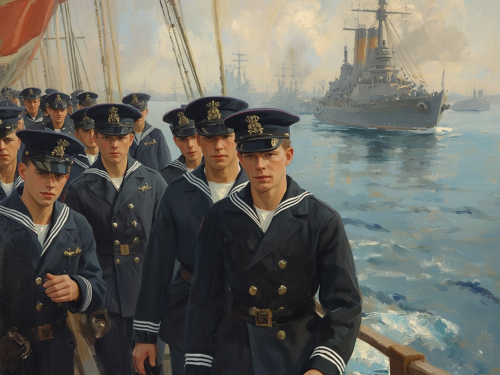

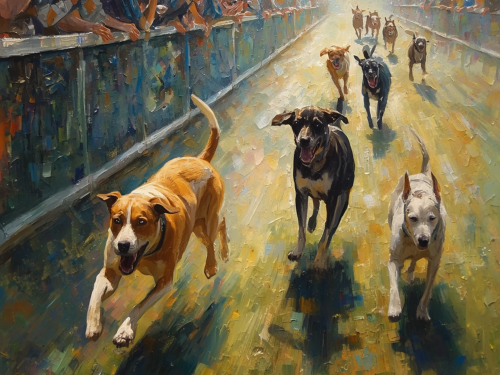
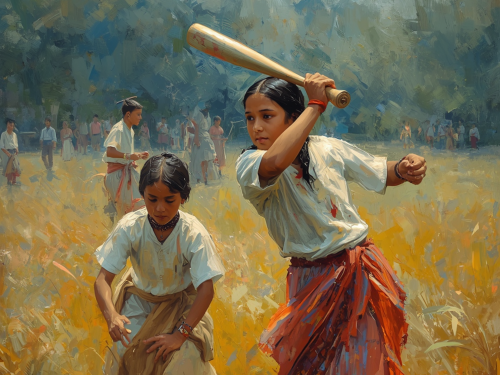
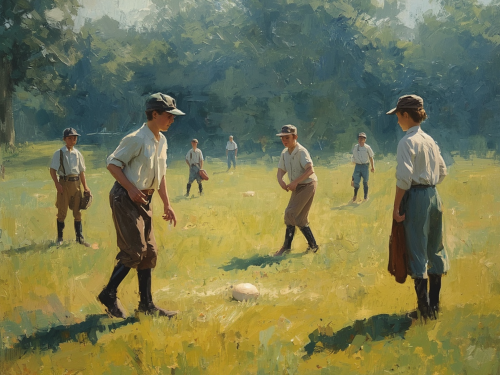
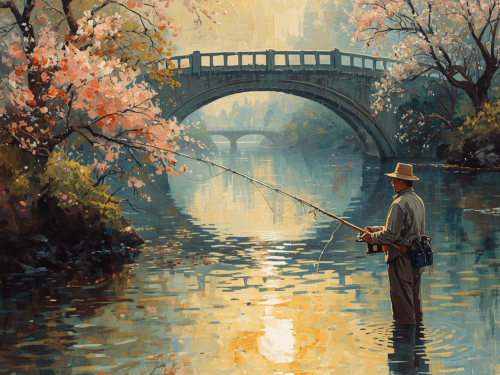
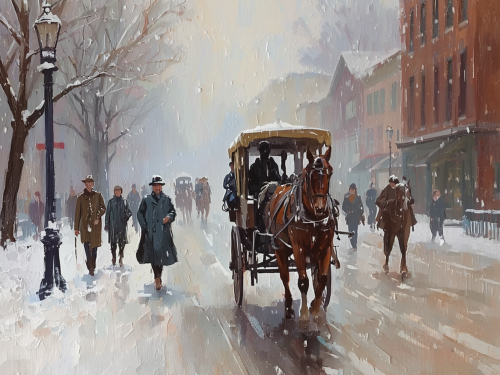
An Impressionist painting is often immediately recognizable through its combination of luminous color, visible brushwork, atmospheric effects, and contemporary subject matter.
Typical visual characteristics include:
- Short or broken brushstrokes
- Visible paint application
- Bright or relatively high-key color
- Colored shadows
- Strong attention to natural light
- Atmospheric effects
- Outdoor scenes
- Modern urban environments
- Informal compositions
- Cropped figures
- Unusual viewpoints
- Reflections on water
- Gardens and landscapes
- Scenes of leisure
- Everyday contemporary life
The surface of an Impressionist painting can appear energetic and tactile. Rather than concealing the process of painting, the artist often allows the viewer to see it.
This is one of Impressionism’s great innovations: the act of painting becomes part of the visual experience.
Historical Context and Timeline
Origins
Impressionism emerged from a combination of artistic experimentation, changing technology, social transformation, and dissatisfaction with the academic art establishment.
Artists such as Édouard Manet challenged conventional approaches to subject matter and representation, while painters including Claude Monet, Pierre-Auguste Renoir, Alfred Sisley, Camille Pissarro, Berthe Morisot, and others increasingly explored direct observation, modern subjects, and new approaches to color.
The movement did not appear fully formed. It evolved gradually from earlier developments in French painting, including the Barbizon School, Realism, and the work of Eugène Boudin and other artists interested in outdoor observation.

Growth and Popularity
The decisive moment arrived on April 15, 1874, when the Société Anonyme des Artistes Peintres, Sculpteurs, Graveurs, etc. opened an independent exhibition in the Paris studio of photographer Nadar at 35 Boulevard des Capucines.
Claude Monet exhibited Impression, Sunrise, painted in 1872.
The critic Louis Leroy used the word “impression” mockingly in his review of the exhibition. His criticism unintentionally supplied the name by which the movement would become known.
Peak Influence
The artists continued exhibiting independently through a series of exhibitions between 1874 and 1886.
During this period, Impressionist methods became increasingly recognizable and influential. Collectors began acquiring the work, dealers became more important to the movement’s commercial success, and the art market gradually developed greater acceptance of experimental painting.
Transformation
Impressionism was never a completely unified school. Its artists differed substantially in technique, subject matter, and philosophy.
Some eventually moved toward more structured compositions and more deliberate drawing. Others pursued increasingly individual approaches to color, form, or psychological expression.
By the 1880s and 1890s, artists such as Georges Seurat, Paul Cézanne, Vincent van Gogh, and Paul Gauguin were moving beyond Impressionism in different directions.
These developments helped create the foundation for Post-Impressionism and eventually many of the movements associated with modern art.
Contemporary Legacy
Impressionism did not disappear. Its visual language became part of the vocabulary of modern visual culture.
Its influence can be found in contemporary painting, photography, cinematography, illustration, fashion photography, advertising, animation, digital art, and AI-generated art.
The fundamental idea remains remarkably relevant: visual reality is not static, and artistic representation can communicate an experience rather than merely reproduce an object.
Influence on the Art World and Creative Economy
Impressionism transformed more than painting. It contributed to a larger restructuring of the art world.
The independent exhibitions demonstrated that artists could organize outside established institutional systems. This helped establish a model for later avant-garde movements, artist collectives, alternative exhibitions, galleries, and independent creative enterprises.
The movement also contributed to the growing importance of art dealers and collectors. As the traditional Salon system was challenged, alternative networks became increasingly important to artists’ careers.
Impressionism further changed the commercial perception of original artwork. Paintings that appeared spontaneous, contemporary, and personal could become desirable commodities within an expanding art market.
Its influence eventually extended into advertising, commercial illustration, interior decoration, fashion, photography, film, and popular visual culture.
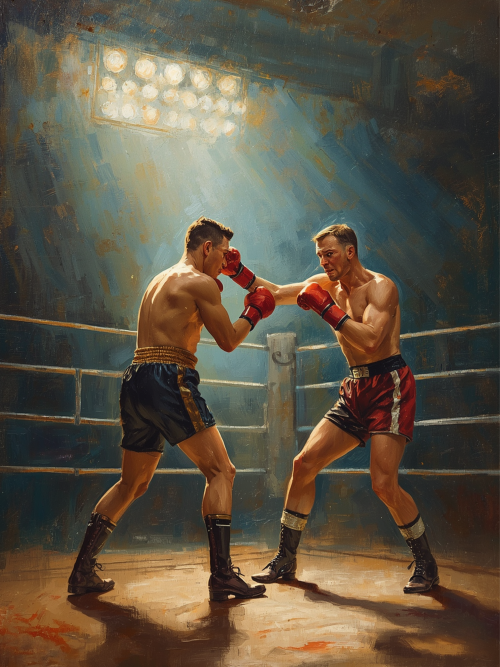
In the contemporary creative economy, Impressionism’s influence can be seen particularly clearly in digital art. Artists can now manipulate digital brushwork, color, lighting, texture, and atmospheric effects to simulate—or reinterpret—the visual principles first explored by nineteenth-century painters.
AI image generation extends this conversation further. Impressionist characteristics can now be reconstructed, recombined, and hybridized with photography, fantasy, science fiction, architecture, portraiture, and other visual languages.
Notable Artists
Claude Monet
Claude Monet is perhaps the artist most closely associated with Impressionism.
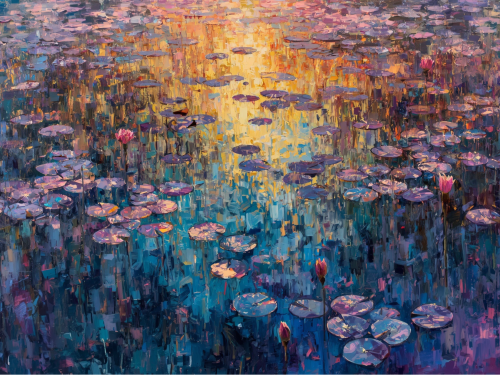
His paintings demonstrate an extraordinary commitment to observing changing light and atmosphere. Works such as Impression, Sunrise, Woman with a Parasol, and his numerous paintings of water lilies, haystacks, and the Rouen Cathedral demonstrate his continuing investigation of how light transforms perception.
Monet’s repeated treatment of similar subjects is particularly important. Rather than treating the subject as a fixed object, he used it as a framework for studying changing atmospheric conditions.
Pierre-Auguste Renoir
Pierre-Auguste Renoir became particularly known for paintings of people, social gatherings, portraits, and scenes of leisure.
His Impressionist work frequently emphasizes luminous skin tones, vibrant color, movement, and the pleasure of contemporary social life. Works such as Dance at Le Moulin de la Galette exemplify his interest in crowded social environments and shifting light.
Renoir later moved toward a more structured and classical approach to painting, demonstrating that Impressionism was not a permanent stylistic destination for its artists.
Edgar Degas
Edgar Degas is often associated with Impressionism, although his artistic interests differed significantly from Monet’s.
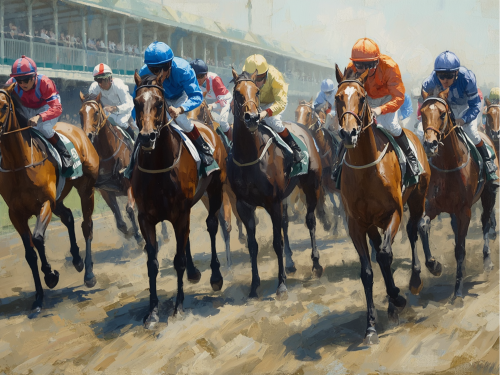
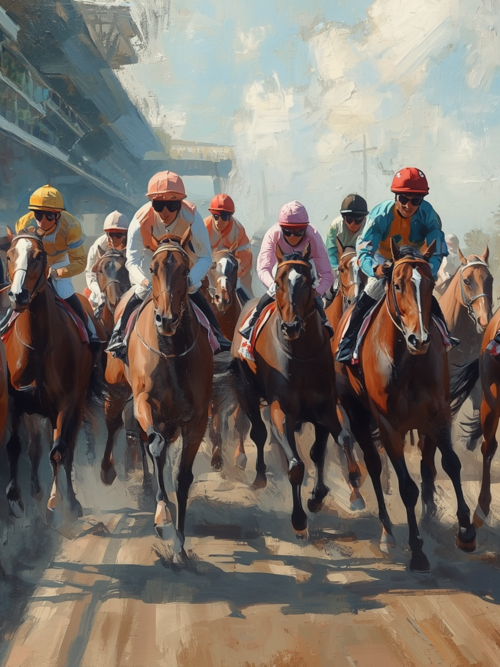
He was fascinated by dancers, theaters, horse racing, bathers, and contemporary urban life. His compositions frequently use unusual viewpoints and cropping influenced by photography and Japanese prints.
Degas also retained a strong interest in drawing and structure, making his relationship with Impressionism more complicated than the label might suggest.
Berthe Morisot
Berthe Morisot was a major figure in the Impressionist movement and participated in its independent exhibitions.
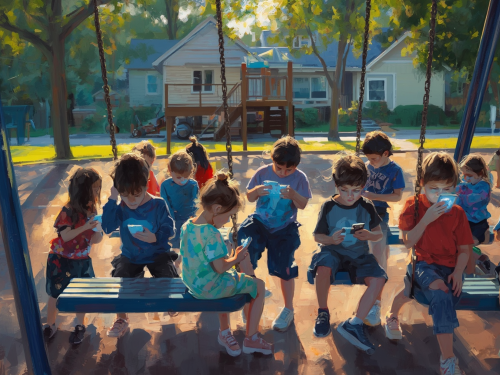
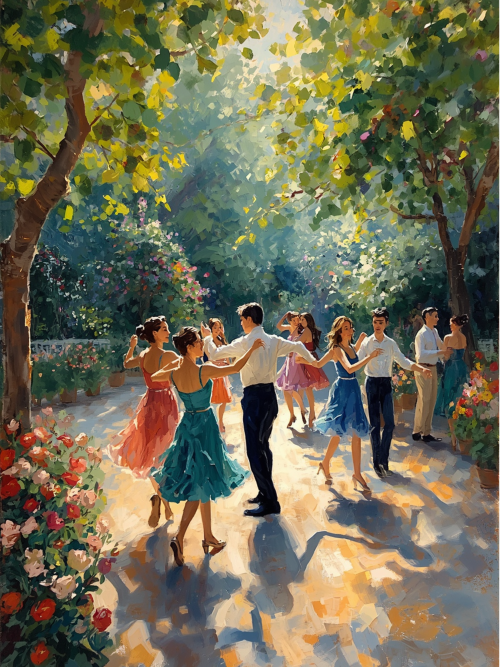
Her paintings frequently explore domestic interiors, gardens, women, children, and contemporary social experience. Her loose brushwork and sensitive treatment of light demonstrate the movement’s principles while also revealing her distinctive artistic voice.
Morisot’s career is particularly important in understanding the role women played in the development of Impressionism.
Camille Pissarro
Camille Pissarro was one of the movement’s most consistent and influential participants.
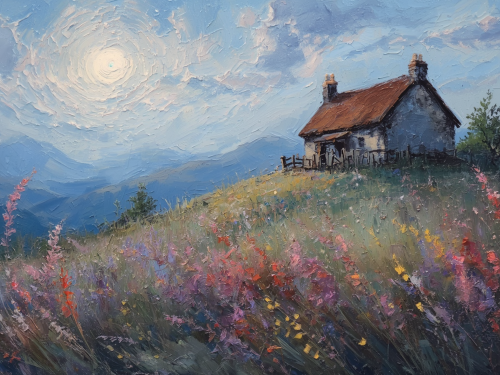
He explored landscapes, rural communities, roads, villages, and later urban scenes. His willingness to experiment helped connect Impressionism with later developments, including Neo-Impressionism.
Alfred Sisley
Alfred Sisley concentrated primarily on landscapes and atmospheric effects.
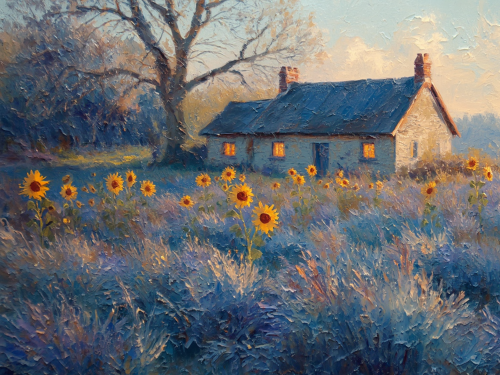
His paintings demonstrate how Impressionism could transform ordinary rivers, roads, bridges, snow-covered fields, and suburban environments into studies of light, weather, and color.
Mary Cassatt
American-born Mary Cassatt became an important participant in the French Impressionist circle.
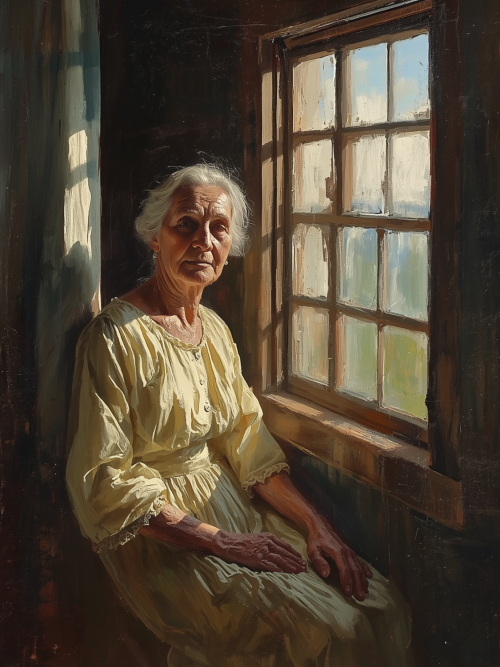
Her work frequently focused on women, children, domestic life, and intimate social relationships. She developed a distinctive visual language combining Impressionist color and brushwork with an interest in Japanese prints and unconventional composition.
Important Works and Key Examples
Impression, Sunrise — Claude Monet, 1872
Medium: Oil on canvas
This painting is historically significant because it gave Impressionism its name following Louis Leroy’s critical response to the 1874 exhibition. The painting depicts the harbor at Le Havre through a hazy atmosphere dominated by rapidly applied color and light.
It demonstrates the Impressionist interest in capturing an immediate visual experience rather than providing detailed description.
Dance at Le Moulin de la Galette — Pierre-Auguste Renoir, 1876
Medium: Oil on canvas
Renoir’s celebrated depiction of a Parisian dance garden captures contemporary leisure, movement, sunlight, and social interaction.
The complex interaction of figures, foliage, artificial and natural light demonstrates Impressionism’s interest in modern social life.
The Ballet Class — Edgar Degas, 1874
Medium: Oil on canvas
Degas’s ballet scenes demonstrate his fascination with movement, rehearsal, performance, unusual viewpoints, and the working lives behind entertainment.
Its composition illustrates how Impressionist-era artists could use unexpected cropping and perspective to create the sensation of a moment observed rather than formally staged.
Woman with a Parasol — Madame Monet and Her Son — Claude Monet, 1875
Medium: Oil on canvas
The painting demonstrates Monet’s fascination with wind, sunlight, atmosphere, and movement.
The figure, clothing, grass, clouds, and sky are constructed through energetic brushwork and luminous color, making the sensation of outdoor light more important than precise detail.
Construction, Design, and Production Techniques

The Impressionist approach begins with observation.
For traditional painters attempting to recreate the method, working outdoors can be particularly useful because it forces the artist to respond to changing light rather than relying entirely on a controlled studio environment.
A practical Impressionist workflow might begin with a simplified composition, followed by large areas of local color. Forms are then developed through visible strokes rather than completely blended modeling. Highlights, reflections, atmospheric effects, and complementary colors are added while maintaining the energy of the surface.
The objective is not simply to make a painting look “blurry.” That is an important distinction.
Impressionism is not indistinctness for its own sake. It is an organized visual language based on observation, color relationships, light, atmosphere, brushwork, and perception.
Impressionism in Contemporary Culture
Impressionism has become one of the most recognizable historical art styles in contemporary culture.
Its influence appears in fine-art painting, decorative art, photography, film, animation, advertising, fashion, interior design, digital illustration, and visual effects.
Digital artists can reproduce the appearance of visible brushstrokes through raster painting, texture brushes, procedural effects, compositing, and image-processing techniques.
Photographers can also incorporate Impressionist principles by emphasizing atmosphere, movement, reflected light, shallow focus, intentional motion, or color relationships.
In AI-generated artwork, Impressionism has become particularly useful because the style can be translated into descriptive visual characteristics rather than treated simply as a historical label.
This distinction matters.
Instead of asking an image generator for merely “an Impressionist painting,” a creator can describe the characteristics that make the visual language recognizable: broken brushwork, luminous complementary colors, atmospheric perspective, natural sunlight, visible paint texture, modern subject matter, and a momentary observational composition.
That approach gives the creator considerably greater control.


AI Art Prompts for Impressionism
1. Character or Portrait Prompt
A sophisticated woman standing beside an open Parisian window in late afternoon, soft natural sunlight falling across her face and pale blue dress, loose broken brushstrokes, luminous complementary colors, visible painterly texture, subtle atmospheric haze, spontaneous Impressionist composition, expressive color rather than precise photographic detail, nineteenth-century Parisian atmosphere, museum-quality oil painting.
2. Architecture or Environment Prompt
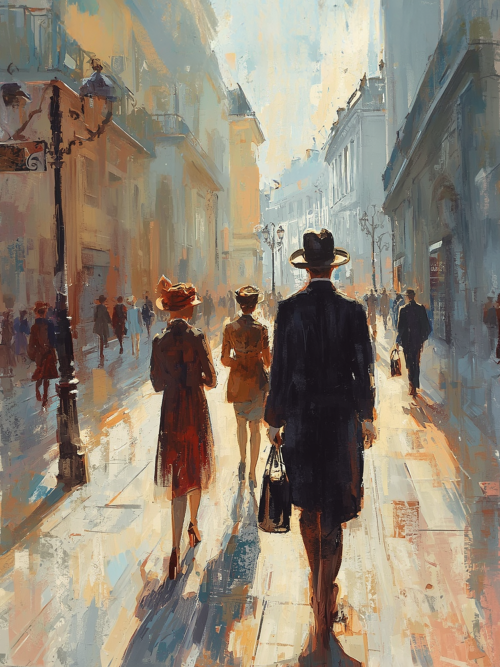
A Parisian boulevard after a summer rain, elegant Haussmann buildings reflecting golden afternoon light, pedestrians carrying umbrellas, horse-drawn carriages and early modern traffic, wet pavement filled with fragmented reflections, loose visible brushwork, luminous atmospheric color, unconventional cropped composition, plein-air Impressionist painting, richly textured oil on canvas.
3. Object or Product Design Prompt
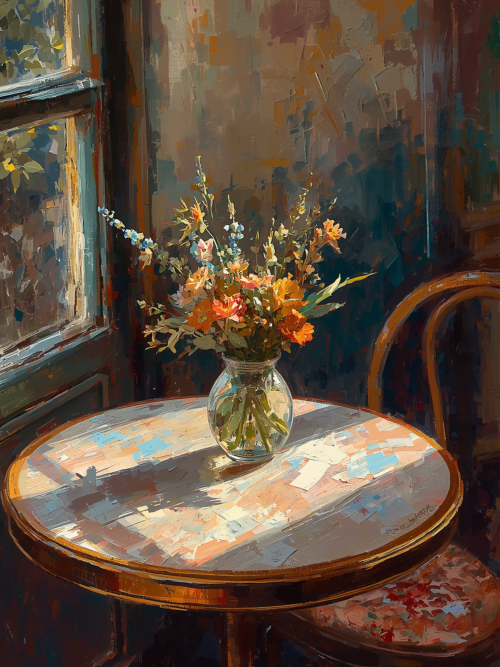
A vintage French café table viewed in morning sunlight, porcelain coffee cup, folded newspaper, small vase of wildflowers and silver spoon, sunlight crossing the tabletop, colorful reflected shadows, broken Impressionist brushwork, painterly surface texture, intimate observational composition, warm atmospheric light, sophisticated fine-art oil painting.
4. Abstract or Conceptual Prompt
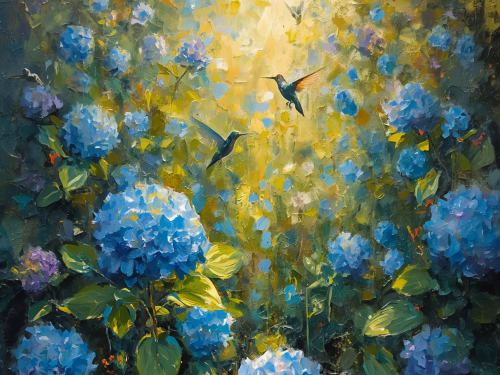
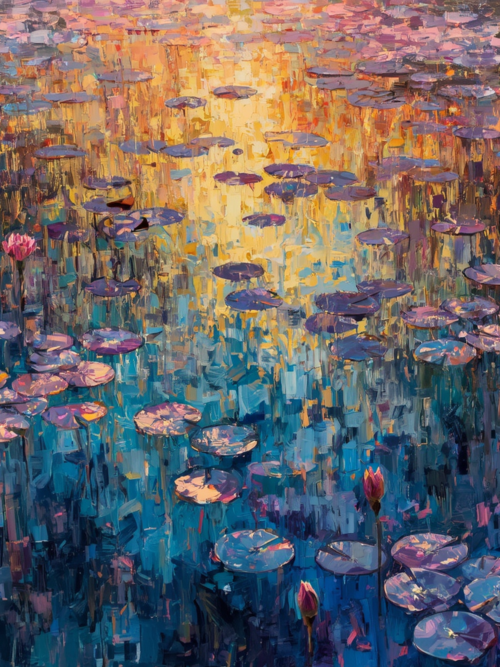
The sensation of sunlight passing through a flowering garden at dawn, recognizable flowers dissolving into fields of color and light, violet and golden shadows, turquoise and emerald foliage, visible broken brushstrokes, atmospheric depth, shimmering highlights, movement and impermanence, Impressionist visual language, expressive oil painting, immersive painterly texture.
5. Editorial or Poster Design Prompt
An elegant editorial poster celebrating nineteenth-century Parisian Impressionism, fashionable figures walking along a sunlit boulevard, fragmented brushwork, luminous pastel and complementary colors, atmospheric perspective, cropped composition, painterly texture, refined French typography integrated into the composition, sophisticated museum exhibition aesthetic.
6. Fashion or Costume Prompt
A fashionable woman in an elaborate nineteenth-century Parisian dress walking through a sunlit garden, fabric illuminated by shifting sunlight, delicate parasol, flowers and foliage surrounding her, loose expressive brushwork, luminous color relationships, visible oil-paint texture, atmospheric depth, spontaneous composition, refined Impressionist painting.
7. Fine Art Prompt
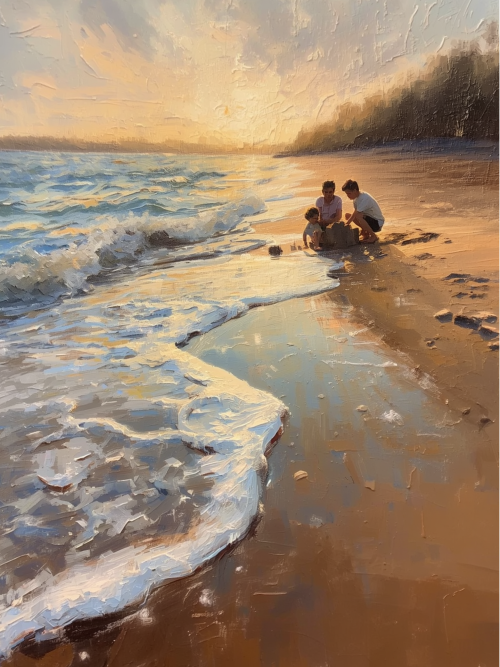
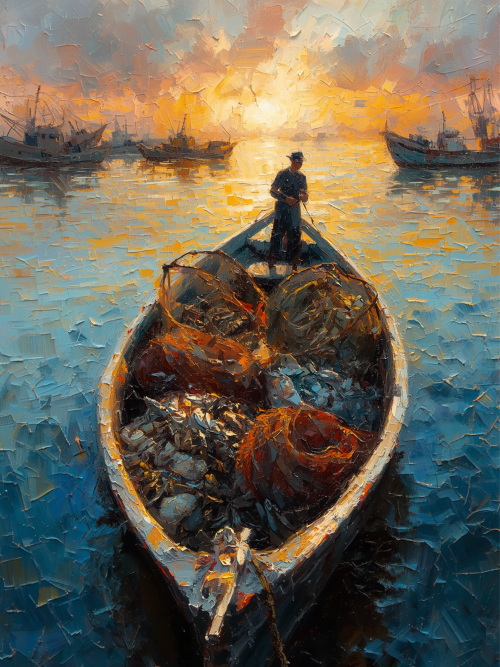
A quiet riverside scene at sunrise, small boats drifting across reflective water, distant trees softened by morning mist, warm orange sunlight contrasting with cool blue and violet shadows, rapidly painted broken brushstrokes, visible canvas texture, atmospheric color, fleeting natural light, plein-air Impressionist masterpiece, emotionally restrained and observational.
8. Experimental or Hybrid Style Prompt
A futuristic city imagined through nineteenth-century Impressionist perception, autonomous vehicles and glass towers emerging through luminous morning mist, pedestrians reflected in rain-covered streets, fragmented color and visible brushwork, complementary blues and oranges, atmospheric light, spontaneous cropped composition, traditional oil-paint texture combined with subtle contemporary digital-art precision, sophisticated Impressionist futurism.
Featured Image Prompt
Cinematic editorial hero image representing Impressionism, a sunlit Parisian boulevard dissolving into luminous atmospheric color, fashionable figures moving through the scene, cafés, trees, wet pavement and distant architecture, visible broken brushstrokes, vibrant complementary colors, soft natural light, atmospheric haze, unconventional cropped composition, richly textured oil paint, historically informed nineteenth-century Paris, sophisticated museum-quality Impressionist artwork, wide horizontal composition, dramatic yet natural lighting.
Suggested Alt Text
Impressionist painting of a sunlit Paris boulevard with visible brushstrokes, luminous colors, atmospheric light, and nineteenth-century figures.
Conclusion

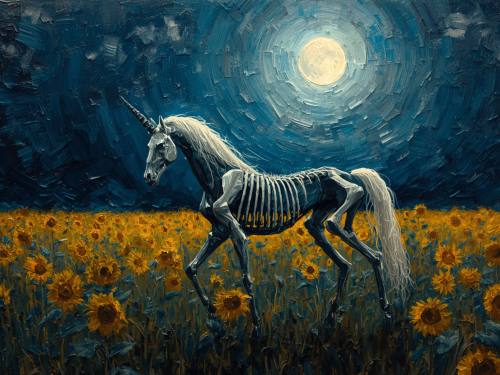
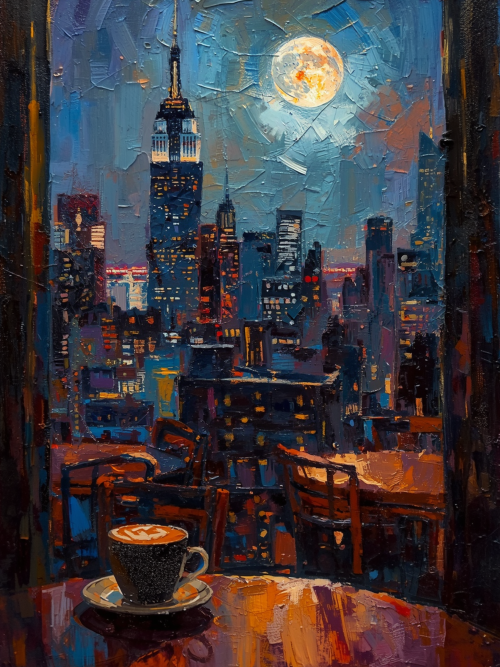
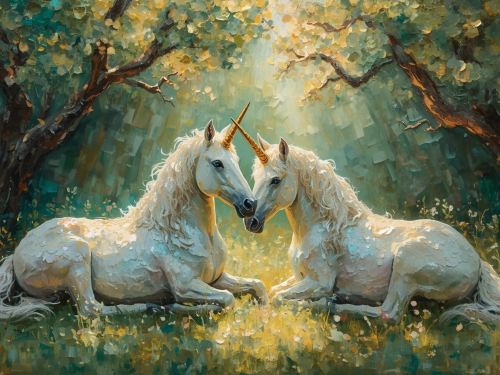
Impressionism changed the course of art because it changed the question artists were asking.
Instead of simply asking how accurately the world could be reproduced, Impressionist artists explored how the world could be experienced. Light became temporary. Color became relational. Composition became flexible. Everyday life became worthy of serious artistic attention. The visible process of painting became part of the finished work.
The movement also demonstrated that artistic revolutions do not necessarily begin with complete agreement or a unified manifesto. The artists associated with Impressionism differed considerably from one another. What connected them was an evolving desire to experiment with perception, modern life, exhibition practices, and the possibilities of painting.
For contemporary artists, Impressionism remains valuable not because it provides a formula to copy, but because it provides a way of thinking. It encourages observation, experimentation, sensitivity to light and color, and a willingness to question established conventions.
That makes Impressionism particularly relevant to today’s creative environment. Whether working with oil paint, photography, digital tools, or generative AI, artists can still learn from its central lesson: how we see something can be just as important as what we see.
And that is ultimately why Impressionism continues to matter—not simply as a historical art movement, but as a continuing invitation to look at the world differently.
All the images in this post are part of our Impressionist Art Collection and are available for sale.
https://thehausoflegends.com/product-category/collections/impressionist-art
Continue Learning
This article is part of The Haus Of Legends educational ecosystem. Continue with: