
Introduction to Fantasy Art
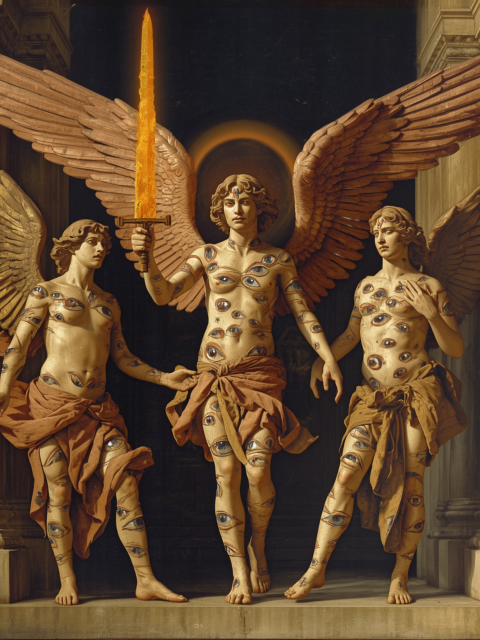
Fantasy Art is one of the most expansive and enduring genres in the history of visual culture, encompassing any work of art that depicts the impossible, the mythological, the supernatural, or the invented. From the illuminated manuscripts of medieval Europe to the breathtaking concept paintings that define the visual identity of modern blockbuster films and role-playing games, Fantasy Art has served as the primary visual language through which humanity has given form to its deepest imaginings: gods and monsters, enchanted kingdoms, heroic quests, and worlds that exist just beyond the horizon of the real.
As a recognized artistic movement and commercial genre, Fantasy Art emerged most distinctly in the twentieth century, shaped by the tradition of Golden Age illustration, the explosion of pulp fiction magazines, and the cultural watershed of J.R.R. Tolkien’s Middle-earth. Yet its roots reach back centuries further, to the mythological canvases of the Old Masters, the visionary landscapes of the Romantics, and the symbolically charged works of the Pre-Raphaelites. In the twenty-first century, digital tools have transformed Fantasy Art into one of the most vibrant and widely practiced genres in the world, equally at home in fine art galleries, on the covers of bestselling novels, and in the concept art pipelines of major film and game studios.
What distinguishes Fantasy Art from adjacent genres such as science fiction illustration or surrealism is its sustained commitment to the mythic and the epic. It is an art of consequence and wonder, where scale is emotional as much as physical, and where every visual decision serves to make the impossible feel utterly, compellingly real. This post surveys Fantasy Art in its full scope: its classical and digital traditions, its defining characteristics, its key figures, and its profound influence on contemporary visual culture.
Characteristics of Fantasy Art
Mediums and Techniques
- Oil and Acrylic Painting: The classical foundation of Fantasy Art, oil painting remains the prestige medium for many of the genre’s most celebrated practitioners. Its capacity for luminous glazing, rich impasto texture, and subtle tonal graduation makes it ideal for rendering dramatic light effects, complex atmospheric scenes, and the kind of painterly detail that rewards extended viewing.
- Watercolour and Gouache: Favoured for their expressive spontaneity and luminous transparency, watercolour and gouache have a strong tradition in Fantasy Art, particularly in book illustration and card game art. Artists such as Rebecca Guay have elevated these mediums to a level of lyrical refinement that is distinctively their own.
- Digital Painting: Software platforms including Adobe Photoshop, Procreate, Clip Studio Paint, and Corel Painter have made digital painting the dominant medium of contemporary Fantasy Art. Digital tools allow artists to work with extraordinary speed and flexibility, making them indispensable in commercial environments such as game concept art and film pre-production, while also supporting highly refined fine art practice.
- 3D Rendering and Sculpture: Software such as ZBrush, Blender, and Cinema 4D is increasingly used in Fantasy Art for character and creature design, architectural concept work, and environments. 3D renders are often integrated with digital painting in hybrid workflows that combine the structural precision of three-dimensional modelling with the atmospheric expressiveness of hand-painted surfaces.
- Pen, Ink, and Graphite: Traditional drawing remains foundational across all Fantasy Art practice, both as a finished medium in its own right and as the basis for painted works. Detailed ink illustration, in the tradition of Gustave Doré and Arthur Rackham, has continued to exert a powerful influence on the genre’s aesthetic vocabulary.
Artistic Expression
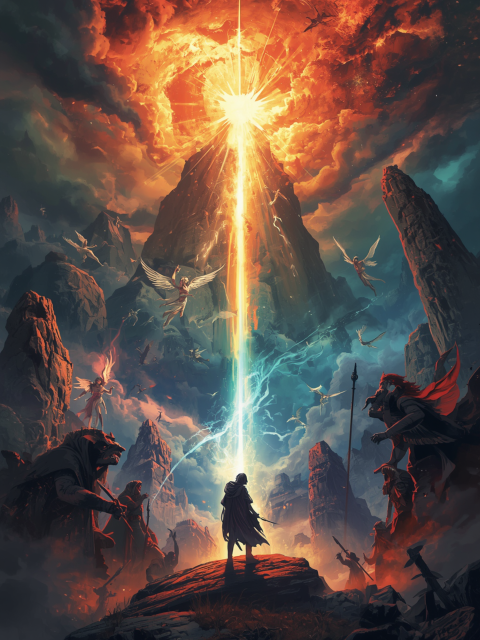
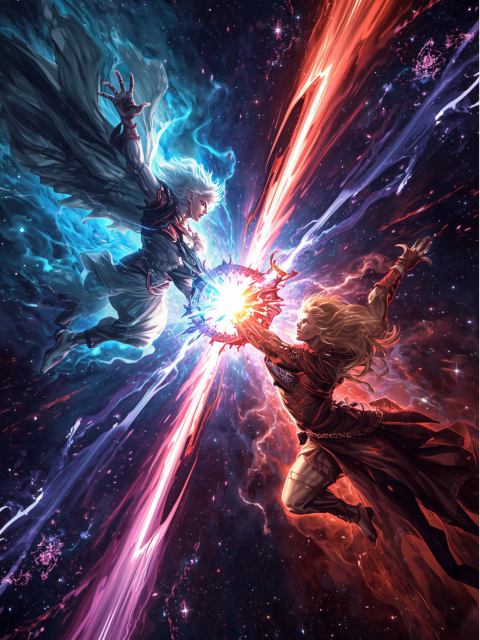
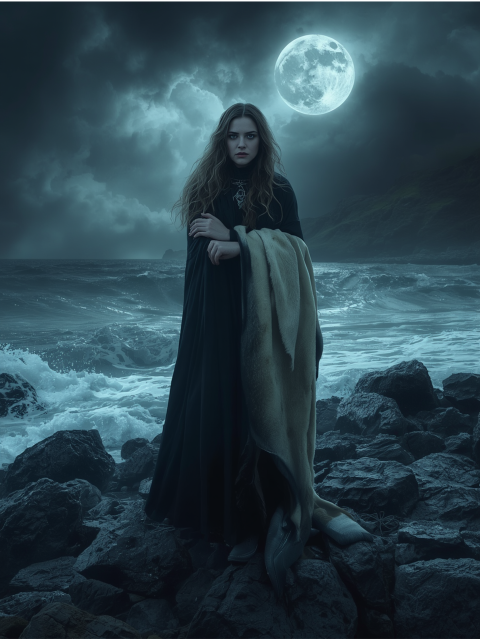
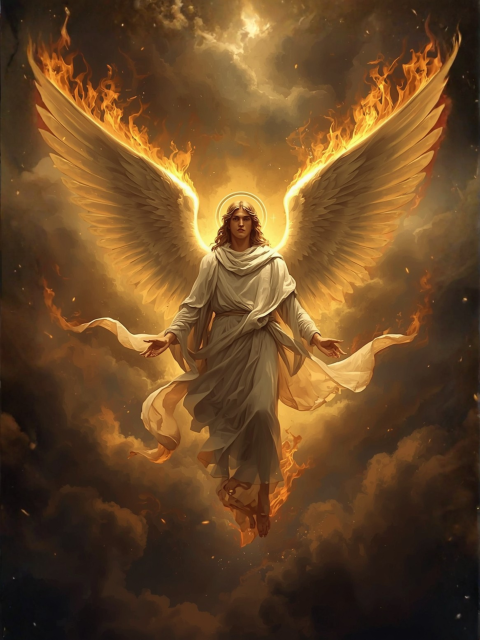
- Dramatic Lighting: Fantasy Art is defined by its use of light as a narrative and emotional tool. Chiaroscuro, rim lighting, magical luminescence, and the contrast of shadow and radiance are used to establish mood, direct attention, and invest scenes with a sense of the extraordinary.
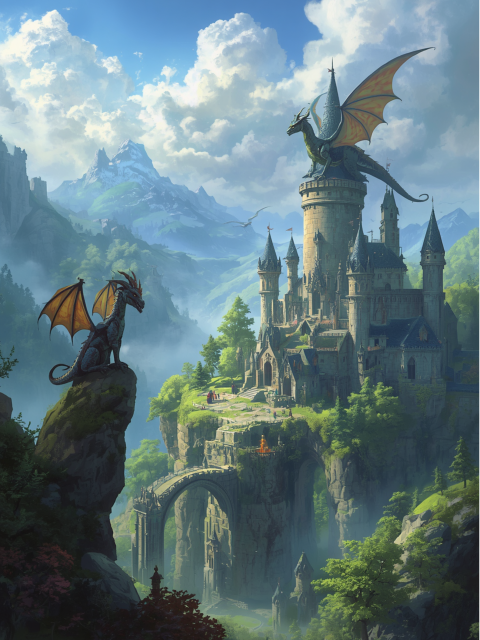
- Epic Scale and Composition: Fantasy Art favours compositions that communicate awe and grandeur, positioning human figures against vast landscapes, towering architecture, or colossal creatures to convey a sense of scale that is simultaneously humbling and exhilarating.
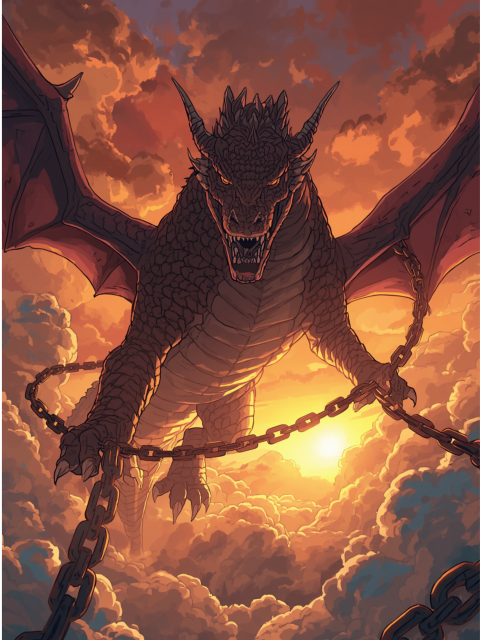
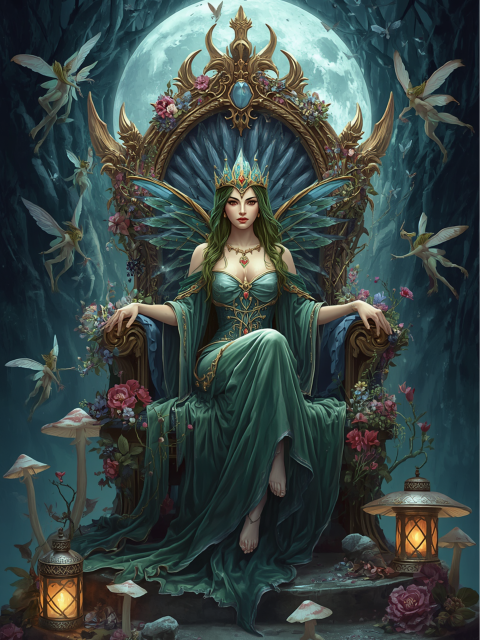
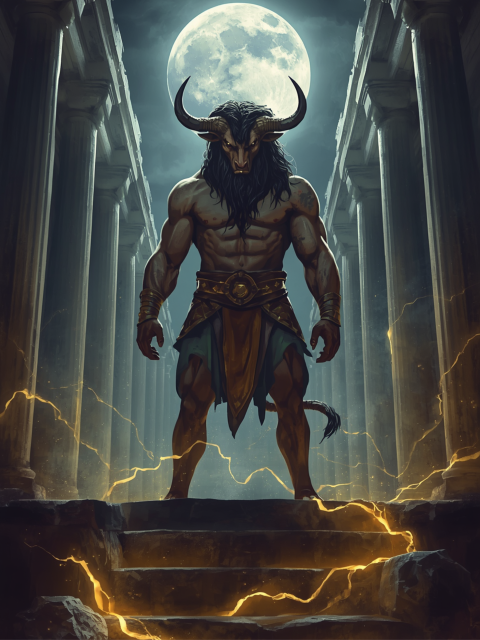
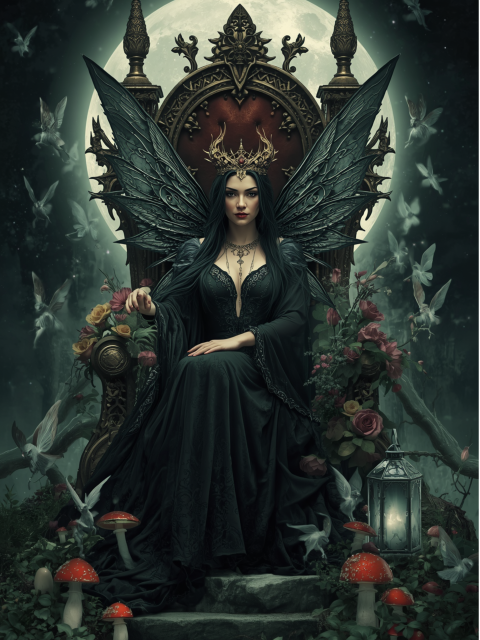
- Creature and Character Design: The invention and visual realisation of fantastical beings — dragons, elves, demons, spirits, and wholly original entities — is one of the genre’s most demanding and celebrated disciplines, requiring deep knowledge of anatomy, natural history, and imaginative synthesis.
- World-Building Detail: Great Fantasy Art communicates the sense of a complete world existing beyond the frame. Costume, architecture, flora, fauna, weather, and material culture are rendered with the specificity and internal consistency of a convincing alternate reality.
- Symbolic and Mythological Iconography: Fantasy Art draws extensively on the visual lexicons of world mythology, religion, folklore, and esoteric tradition, deploying symbols, archetypes, and narrative motifs that carry deep cultural resonance.
Functionality
- Book and Magazine Cover Illustration: Fantasy Art has long been the defining visual face of speculative fiction publishing, from the pulp magazines of the early twentieth century to the contemporary covers of major fantasy and science fiction imprints.
- Game Concept Art and Card Art: The video game and tabletop gaming industries are among the largest employers of Fantasy Art talent, with concept artists, environment designers, and card illustrators producing an enormous volume of high-quality work that defines the visual identity of major franchises.
- Film and Television Production Design: Fantasy Art underpins the visual development of major fantasy and science fiction productions, from pre-production concept paintings to final matte paintings and digital environment work.
- Gallery and Collector Fine Art: A significant segment of Fantasy Art exists entirely outside the commercial sphere, produced for gallery exhibition, limited edition prints, and private collectors who prize the genre’s technical virtuosity and imaginative depth.
Locations
- IlluxCon: The premier invitational convention for imaginative realism and Fantasy Art, held annually in Pennsylvania, IlluxCon brings together the world’s leading figurative and fantasy illustrators for an intimate exhibition and sales event that functions as the genre’s most important physical gathering point.
- Spectrum Fantastic Art Annual: While not a physical location, Spectrum is the definitive annual survey publication of the genre, functioning as the canonical record of each year’s finest work and a major driver of reputation and recognition within the field.
- ArtStation and DeviantArt: The primary online platforms through which Fantasy Art is shared, discovered, and professionally showcased, with ArtStation in particular functioning as the industry-standard portfolio platform for concept artists and illustrators.
- Game and Film Studios: Major studios including Blizzard Entertainment, Wizards of the Coast, Weta Workshop, and Industrial Light & Magic are among the most important institutional patrons and producers of Fantasy Art, setting aesthetic standards that influence the broader genre.
Themes of Fantasy Art
Key Examples
- Frank Frazetta: Widely regarded as the defining figure of twentieth-century Fantasy Art, Frazetta’s work for paperback covers throughout the 1960s and 1970s established the genre’s visual template for heroic fantasy: muscular protagonists, dangerous women, savage landscapes, and compositions of raw, primal energy.
- Alan Lee and John Howe: The two artists most responsible for the definitive visual realisation of Tolkien’s Middle-earth, both in their celebrated illustrated editions and in their work as conceptual designers on Peter Jackson’s Lord of the Rings and Hobbit film trilogies. Their work represents the gold standard of classical fantasy illustration.
- Yoshitaka Amano: The Japanese artist whose work for the Final Fantasy video game series introduced a generation of players to a distinctly Eastern approach to Fantasy Art — ethereal, delicate, and richly decorative — and who has since built an internationally celebrated fine art career.
- Craig Mullins: Considered the father of modern digital concept art, Mullins’ painterly, atmospheric digital work in the 1990s demonstrated that digital painting could achieve the same expressive depth as traditional media, fundamentally changing the industry.
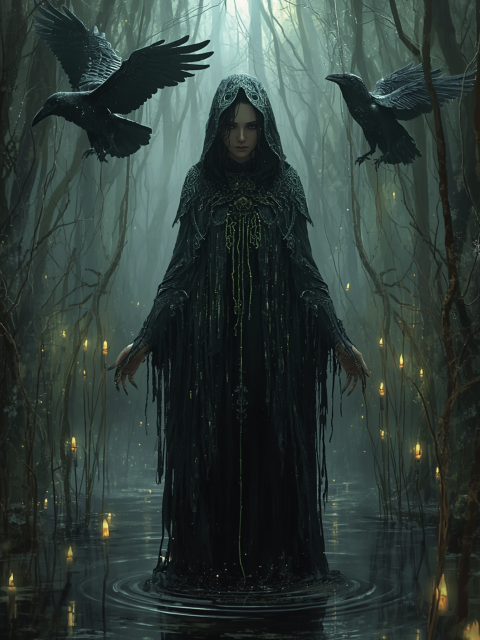
- Brom (Gerald Brom): A master of dark fantasy whose richly rendered paintings of sinister figures, fallen angels, and gothic landscapes occupy the boundary between heroic fantasy and horror, demonstrating the genre’s capacity for genuine menace and psychological depth.
Description
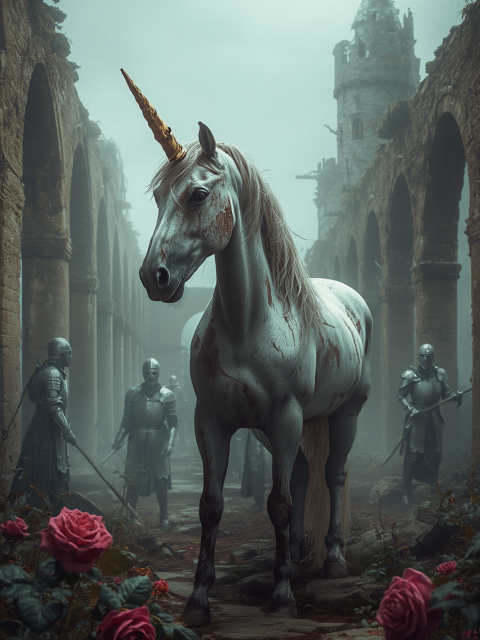
Fantasy Art operates in the territory of the impossible made convincing. Its power derives from the tension between the utterly invented and the rigorously rendered — a dragon must move like a real creature, light must fall on armour with physical accuracy, and the dust of an ancient ruin must carry the weight of genuine loss, even when every element of the scene is wholly fabricated.
The visual language of Fantasy Art is one of archetypes and extremes. Heroes are magnificent, villains are terrible, landscapes are sublime, and the stakes are always cosmic. Yet the greatest Fantasy Art achieves something beyond spectacle: it creates the sensation of entering a world with its own history, its own logic, and its own emotional truth. The best works in the genre function less as illustrations of a concept than as windows onto somewhere that genuinely seems to exist.
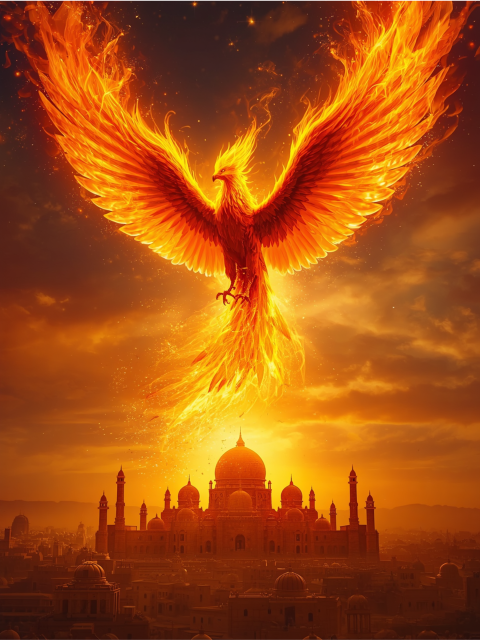
Colour in Fantasy Art tends toward the evocative and the heightened. Gold and crimson for epic grandeur, cool blues and silvers for the ethereal and the magical, deep purples and blacks for menace and mystery. Light is rarely neutral — it falls from dramatic angles, emanates from magical sources, or filters through alien atmospheres to create skies and environments unlike anything in the natural world.
Architectural Style
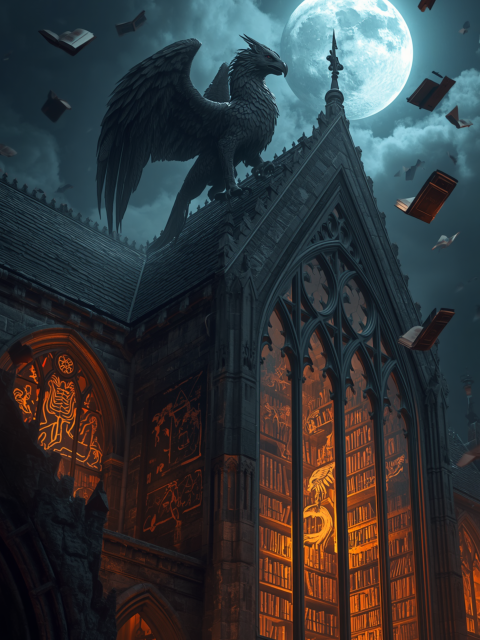
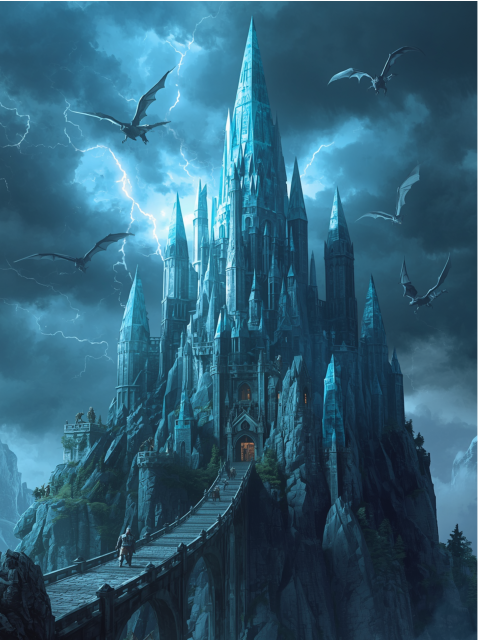
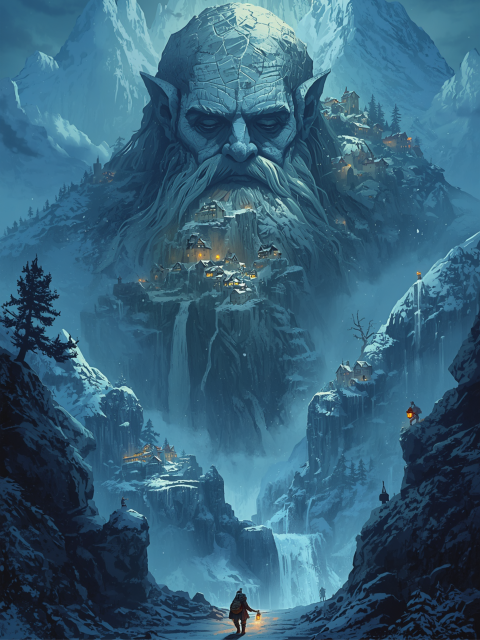
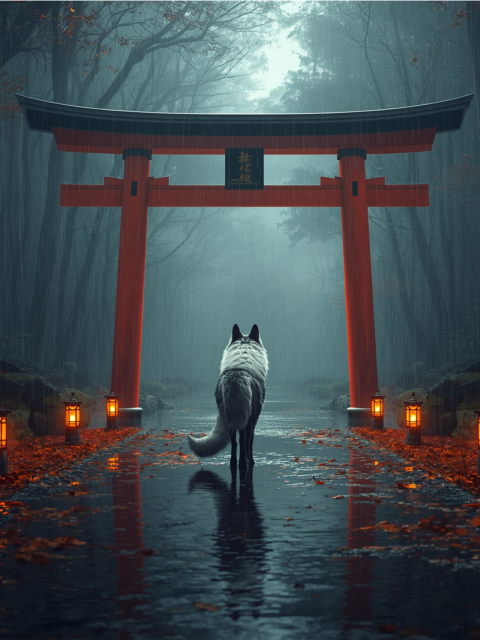
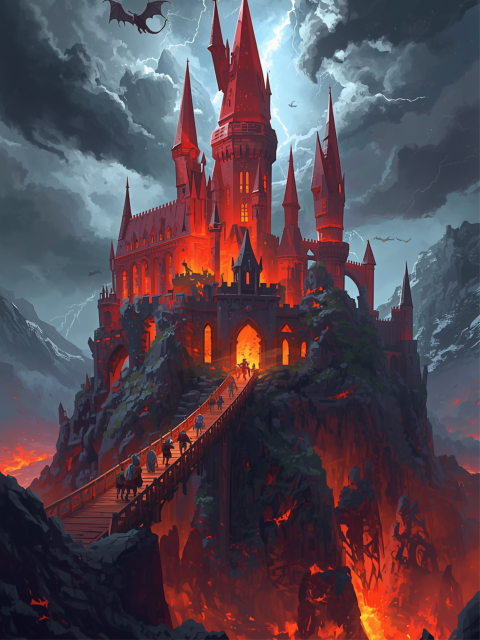
Fantasy architecture is one of the genre’s most distinctive and expressive domains. Drawing on real-world historical traditions — the soaring verticality of Gothic cathedrals, the geometric precision of Islamic ornament, the massive solidity of ancient Egyptian monuments, the organic integration of Japanese temple architecture with its natural surroundings — Fantasy Art recombines and exaggerates these influences into structures that feel simultaneously familiar and impossible.
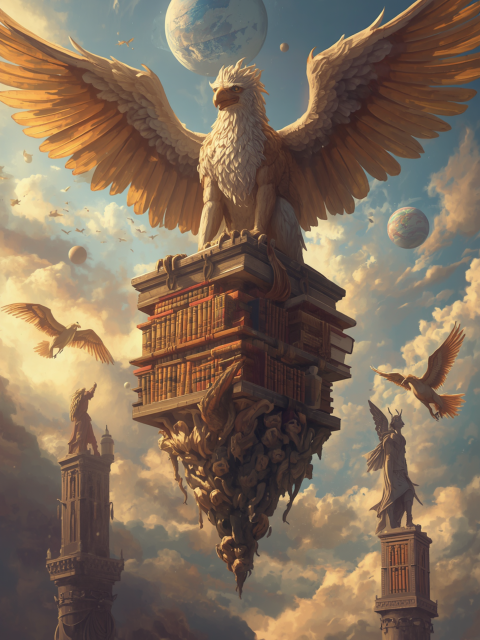
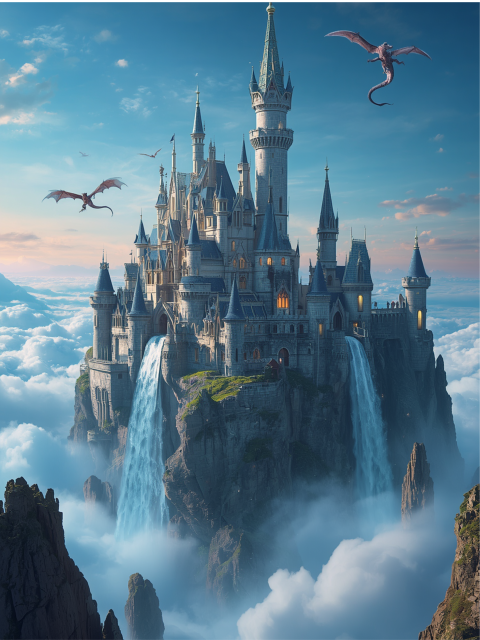
The great towers, citadels, and underground kingdoms of the genre communicate power, age, and otherworldliness through scale, material, and ornament. Tolkien’s Minas Tirith, as realised by Alan Lee and the Weta Workshop team, became perhaps the most influential single piece of fantasy architecture in popular culture, establishing a template of stratified stone cities built into living rock that has shaped countless subsequent works. At the other extreme, the floating islands, crystalline spires, and luminous sky-cities of high fantasy communicate the boundlessness of a world free from the constraints of geology and physics.
In interior design, the Fantasy Art aesthetic has influenced themed environments including escape rooms, hotel lobbies, themed restaurants, and gaming spaces, with dark stone textures, torch-like lighting, carved wood, wrought iron, and tapestries used to evoke a sense of medieval or magical atmosphere.
Historical Context
The ancestry of Fantasy Art extends deep into Western art history. The mythological paintings of Nicolas Poussin and Peter Paul Rubens, the visionary engravings of Gustave Doré for Dante’s Inferno and Milton’s Paradise Lost, and the luminously symbolic canvases of the Pre-Raphaelite Brotherhood — all represent earlier chapters in the long history of art devoted to the impossible and the mythic.
The immediate precursors of modern Fantasy Art were the illustrators of the Golden Age — Howard Pyle, N.C. Wyeth, Arthur Rackham, and Edmund Dulac — who brought legends, fairy tales, and adventure stories to vivid pictorial life in the late nineteenth and early twentieth centuries. Their work established the narrative and aesthetic conventions — the heroic figure, the enchanted landscape, the dramatic moment — that would define the genre for generations.
The pulp era of the 1930s through 1950s democratised and energised Fantasy Art through mass-market paperback covers and magazine illustration, while the publication of The Lord of the Rings in the mid-1950s provided the genre with its most enduring and generative imaginative framework. The 1970s — the decade of Dungeons & Dragons, the Ballantine Adult Fantasy series, and the peak of Frazetta’s influence — were the genre’s first golden age as a self-aware movement.
The digital revolution of the 1990s and 2000s transformed the field once more, lowering barriers to practice while raising the ceiling of what was visually achievable. Today, Fantasy Art encompasses a global community of practitioners working across fine art, publishing, gaming, and film in a tradition that is simultaneously ancient and urgently contemporary.
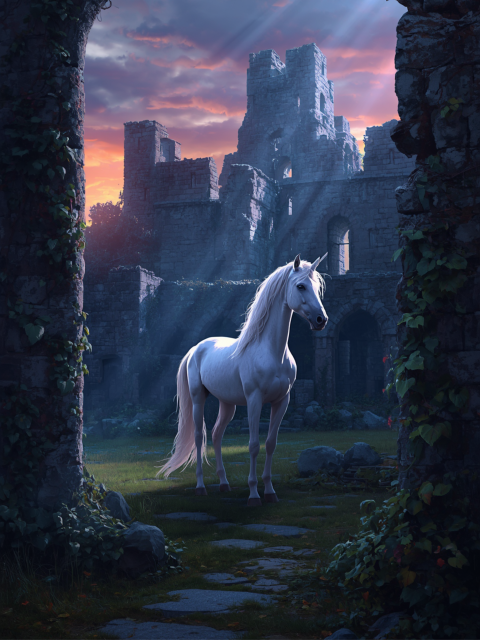
Construction Techniques
- Thumbnail and Value Studies: Professional Fantasy Art almost always begins with rapid thumbnail sketches to establish composition, followed by value studies in greyscale to resolve the light logic of the scene before colour is introduced.
- Anatomical and Reference Drawing: Mastery of human and animal anatomy is fundamental to the genre. Many artists maintain extensive reference libraries, use life drawing practice, and work from posed reference photographs for figures and costume.
- Colour Script and Palette Planning: For complex works, artists plan the colour relationships of the entire piece in advance, using colour scripts to ensure emotional and narrative coherence across the composition.
- Digital Layering Workflows: In digital practice, work is typically organised across multiple layers — rough sketch, refined line, flat colour, value pass, rendering, atmospheric effects, and final adjustments — allowing non-destructive editing at every stage.
- Photo Bashing and Matte Painting: In commercial and film contexts, artists often integrate photographic elements, 3D renders, and painted passages in composite workflows, achieving a level of environmental detail and atmospheric realism that would be impractical to paint entirely by hand.
Historical Context of Notable Artists and Works
- Gustave Doré’s Illustrations for Dante and Milton (1850s–1860s): Doré’s monumental engravings for The Divine Comedy and Paradise Lost established the visual vocabulary of cosmic fantasy — vast infernal architectures, celestial radiance, and figures dwarfed by the scale of the supernatural — that continues to reverberate through the genre today.
- Arthur Rackham and Edmund Dulac (Golden Age, 1890s–1930s): These two illustrators defined the visual identity of European fairy tale and mythology for the early twentieth century, bringing a painterly elegance and psychological nuance to fantastical subject matter that remains a touchstone for illustrators working in the tradition today.
- Frank Frazetta’s Conan and Edgar Rice Burroughs Covers (1960s–1970s): Frazetta’s paperback covers redefined heroic fantasy as a visual genre, introducing a visceral dynamism, anatomical power, and raw painterly energy that represented a deliberate break from the more genteel traditions of Golden Age illustration.
- Alan Lee’s Illustrated Lord of the Rings (1991): Lee’s watercolour illustrations for the centenary edition of Tolkien’s masterwork established the definitive pictorial vision of Middle-earth for an entire generation of readers, and directly led to his appointment as a conceptual designer on Peter Jackson’s film adaptations.
- Magic: The Gathering Card Art (1993–present): The collectible card game launched by Wizards of the Coast became one of the most important institutional patrons of Fantasy Art in history, commissioning thousands of individual works from hundreds of artists and creating a commercially viable ecosystem that supported careers across the full spectrum of the genre.
- Craig Mullins’ Digital Paintings (1990s–2000s): Mullins’ demonstration that digital tools could produce work of the same atmospheric richness and tonal subtlety as oil painting effectively legitimised digital practice within the fine art and illustration communities, influencing a generation of artists who now constitute the mainstream of the field.
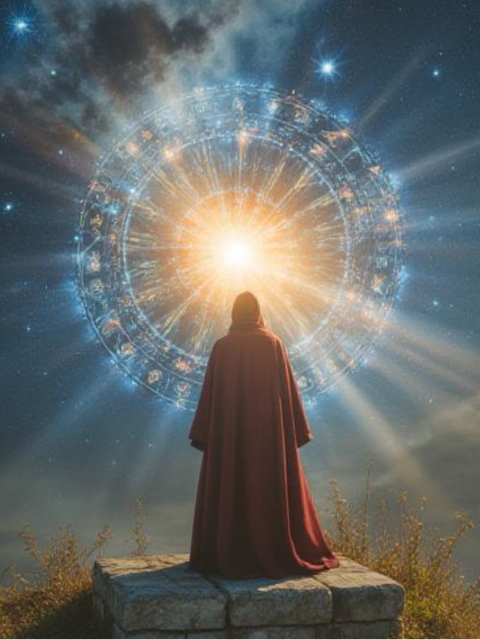
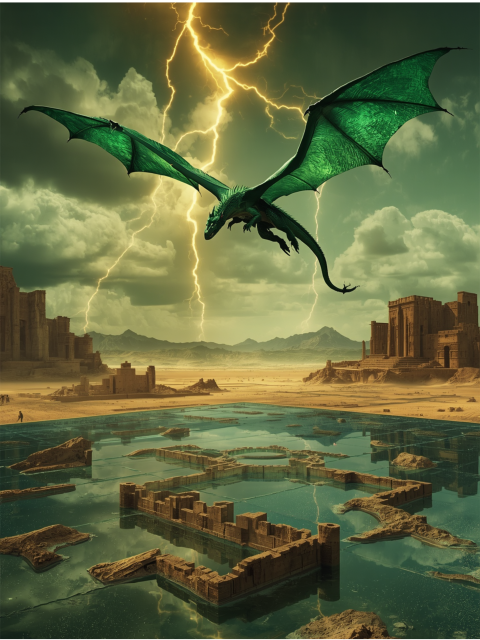
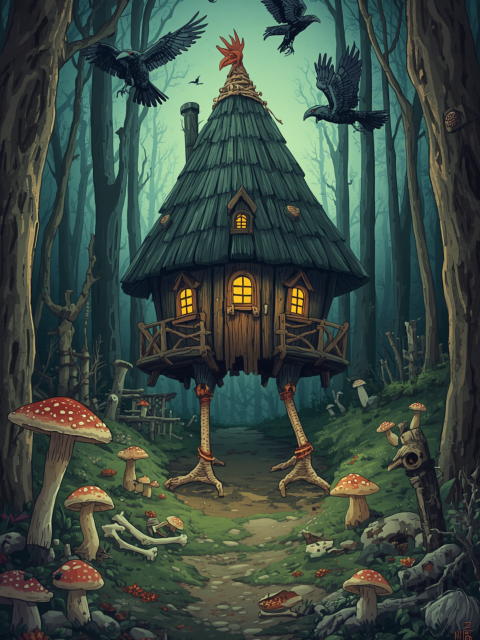
Art Economy
Fantasy Art occupies a distinctive and commercially robust position in the broader art market. Unlike many fine art genres, it operates simultaneously across several distinct economic spheres, each with its own infrastructure, pricing dynamics, and collector culture.
At the commercial end of the spectrum, the publishing, gaming, and film industries represent a vast and ongoing market for commissioned Fantasy Art. Book cover commissions from major publishers, card illustration contracts with companies such as Wizards of the Coast and Fantasy Flight Games, and concept art roles at studios including Blizzard, Riot Games, and Weta Digital provide reliable income streams for professional artists at all career levels. Industry rates for concept art and illustration have risen significantly over the past decade, reflecting the enormous economic value of the intellectual property these works help define.
The original painting market for Fantasy Art has matured considerably since the 1990s. Original works by celebrated artists such as Donato Giancola, Greg Manchess, and Michael Whelan regularly command prices in the tens of thousands of dollars at specialist auctions and gallery sales, with pieces by Frazetta having sold for several million dollars. Events such as IlluxCon function as the primary marketplace for original Fantasy Art, combining exhibition with direct sales in an environment that serves both serious collectors and first-time buyers.
The print and limited edition market represents an important middle tier, with artists self-publishing high-quality giclée prints, signed limited editions, and art books that reach a much wider audience than original paintings. Platforms such as Etsy, the artists’ own websites, and specialist retailers have made this tier increasingly significant as a revenue source. The brief boom in NFT sales from 2020 to 2022 introduced a further dimension to the Fantasy Art economy, with digital works selling for prices that rivalled physical originals, though the market has since contracted substantially.
Legacy and Influence
The influence of Fantasy Art on contemporary visual culture is so pervasive as to be almost invisible — it has become the water in which enormous segments of popular culture swim. The visual grammar of the genre, developed over more than a century of illustration, painting, and concept art, now underpins some of the most commercially and culturally dominant creative industries in the world.
In cinema, the legacy of Fantasy Art is most visible in the work of studios such as Weta Workshop, Industrial Light & Magic, and DNEG, where the traditions of classical fantasy illustration have been translated into the language of digital visual effects and production design. The visual identity of franchises including The Lord of the Rings, Game of Thrones, the Marvel Cinematic Universe, and the Harry Potter series all derive fundamentally from the conventions of Fantasy Art, mediated through the work of hundreds of concept artists and illustrators whose individual contributions are rarely visible to general audiences.
In gaming, Fantasy Art is not merely an influence but the constitutive visual language of entire genres. Role-playing games from Dungeons & Dragons to The Elder Scrolls, strategy games, and collectible card games all depend on Fantasy Art to communicate their worlds, establish their emotional registers, and attract and retain their audiences. The tabletop role-playing revival of the 2010s, driven partly by the global popularity of Dungeons & Dragons’ fifth edition, brought a new generation of players into contact with the genre’s visual tradition.
More broadly, Fantasy Art has shaped the imaginative landscape of contemporary culture in ways that extend far beyond any individual medium or franchise. Its archetypes — the hero’s quest, the dark lord, the enchanted realm, the moment of transcendence — are among the most powerful and widely shared narrative and visual frameworks in the world, functioning as a kind of shared mythology for a global, largely secular audience hungry for stories of meaning, consequence, and wonder.
5 Simple Prompts for AI-Generated Art
Landscape / Environment
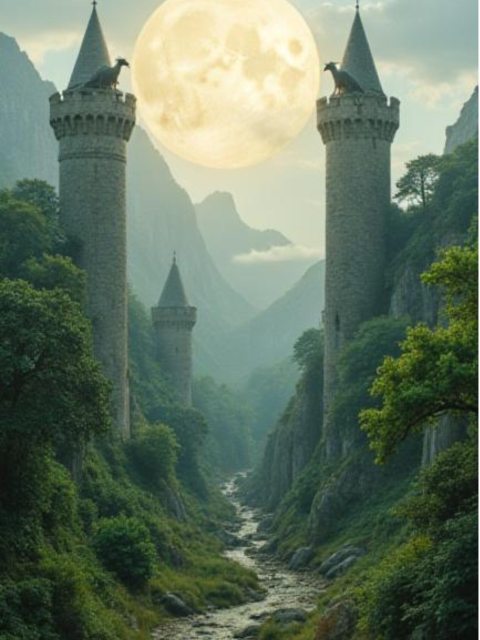
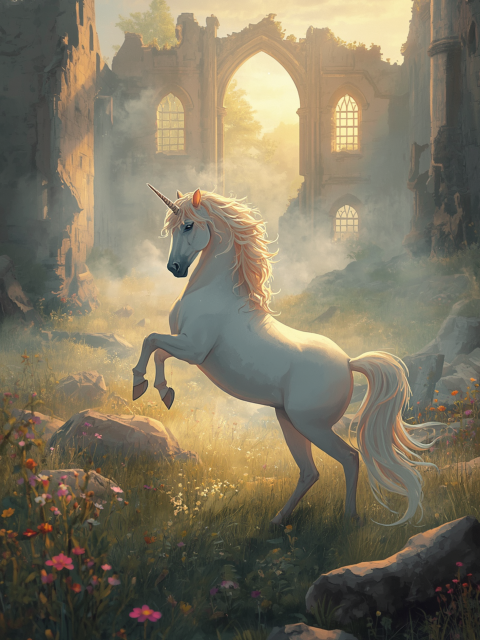
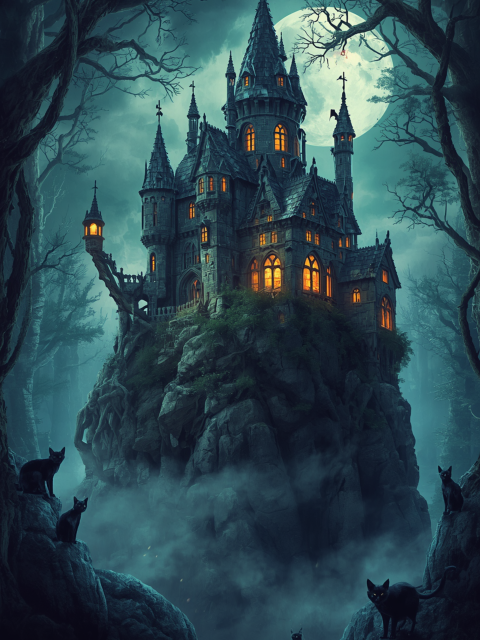
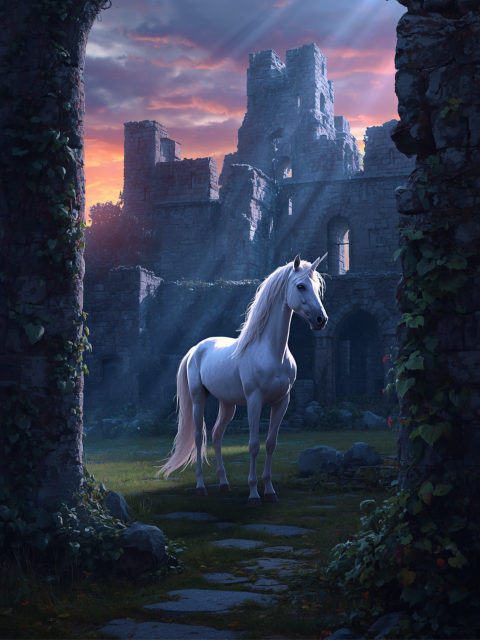
“A sweeping fantasy landscape at dusk, featuring a ruined elvish city overtaken by ancient forest, with bioluminescent flora illuminating crumbling stone towers, mist rising from a silver river below, painted in the style of classical fantasy illustration with rich atmospheric depth.”
Character / Figure
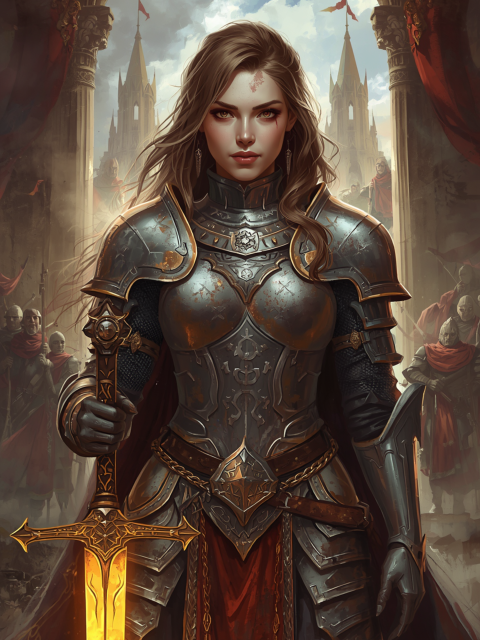
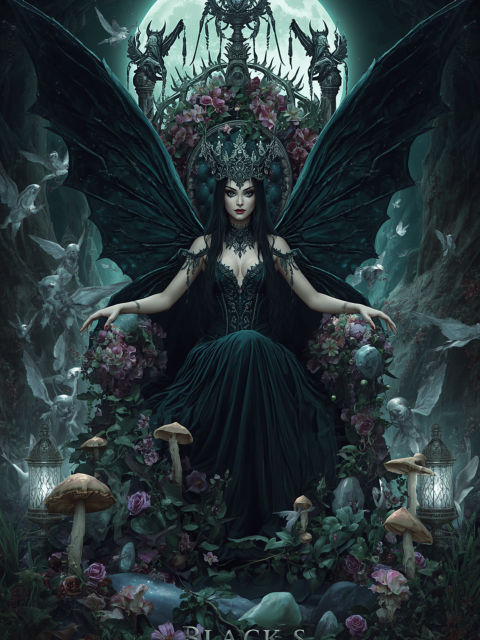
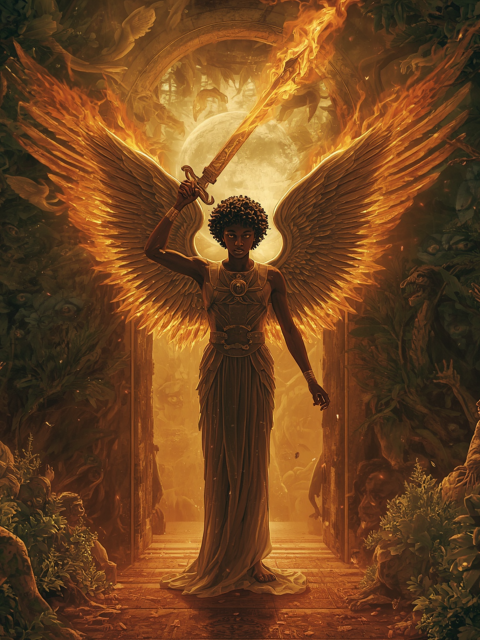
“A portrait of a battle-worn female paladin in ornate silver armour engraved with holy symbols, holding a glowing sword, standing before the gates of a besieged city, dramatic rim lighting, heroic fantasy illustration style.”
Creature / Beast
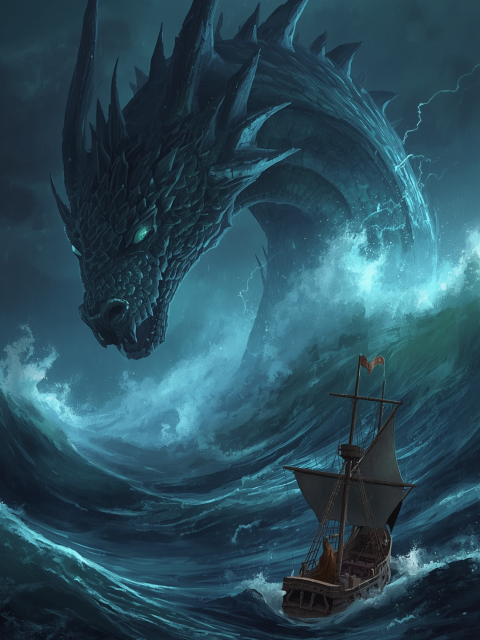
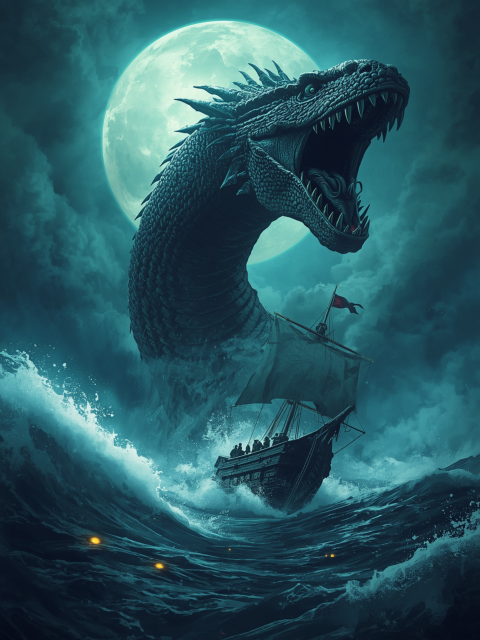
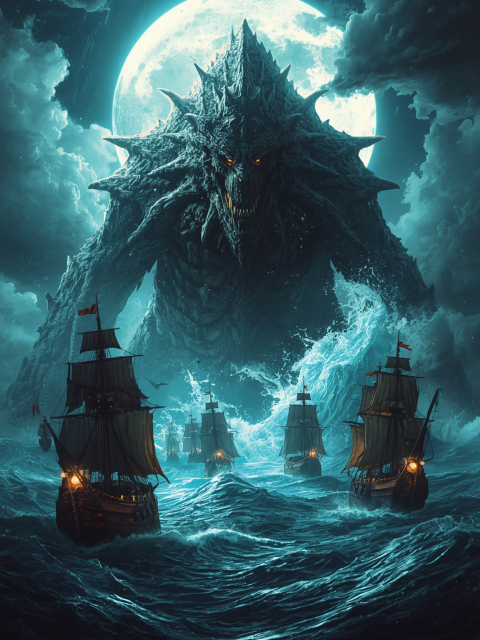
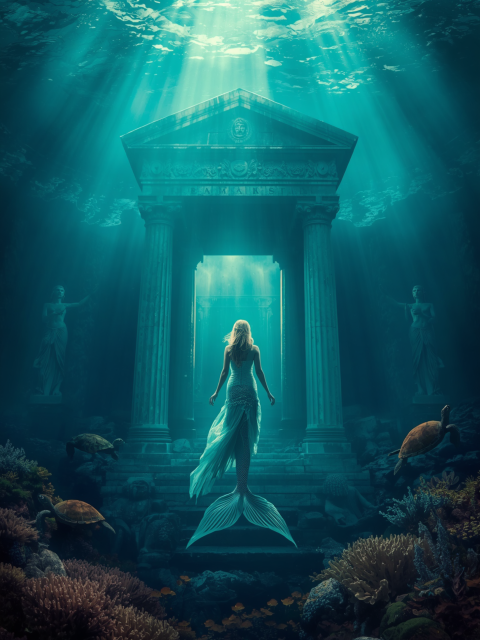
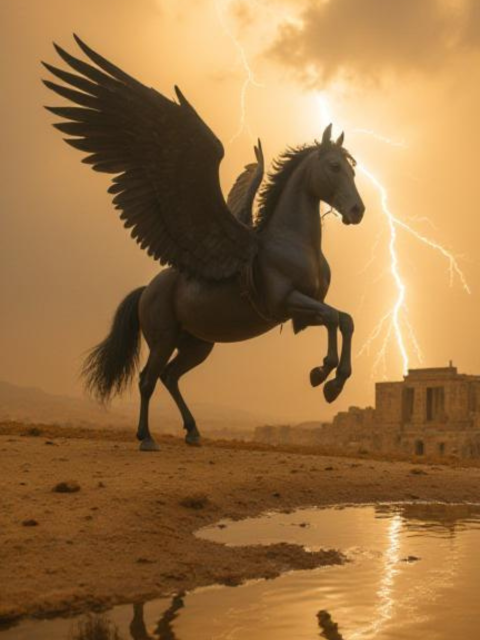
“A colossal sea serpent breaching the surface of a storm-wracked ocean at night, its scales iridescent green and black, lightning reflecting off the churning waves, a small wooden ship dwarfed in the foreground, epic fantasy art style.”
Architecture / Structure
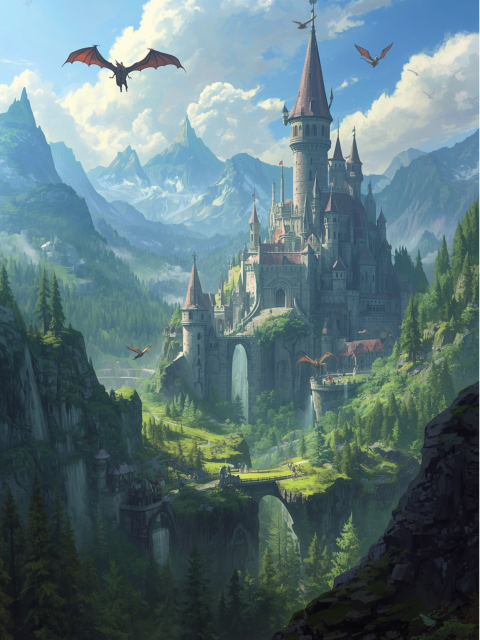
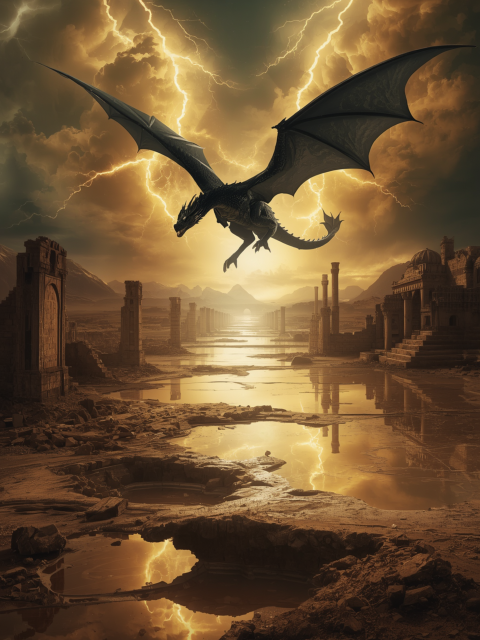
“A vast dwarven citadel carved into the heart of a mountain, its great hall lit by rivers of molten gold and thousands of hanging lanterns, intricate stone carvings covering every surface, concept art style with detailed environmental storytelling.”
Scene / Narrative Moment
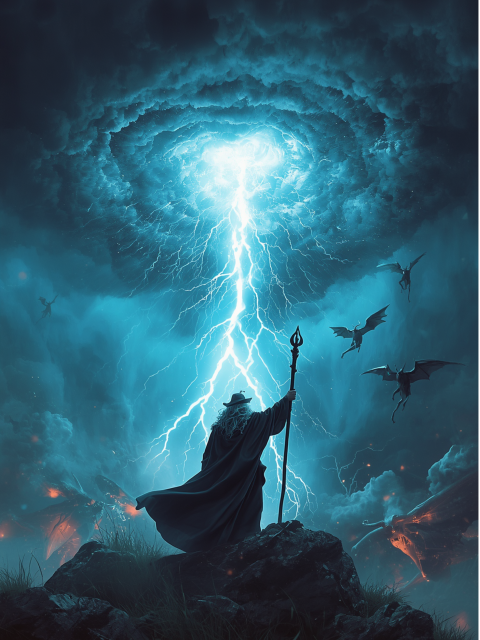
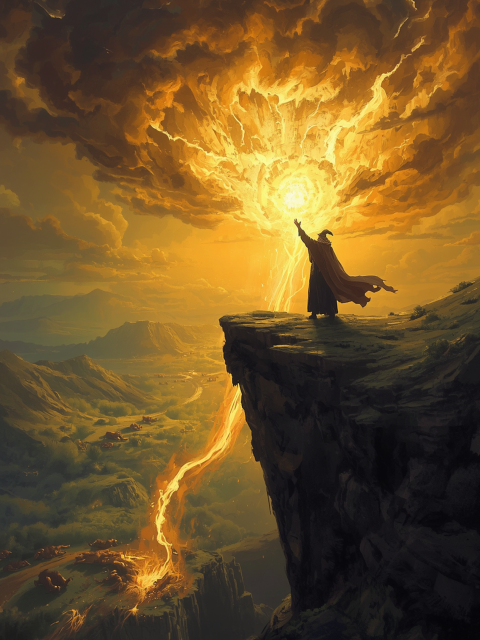
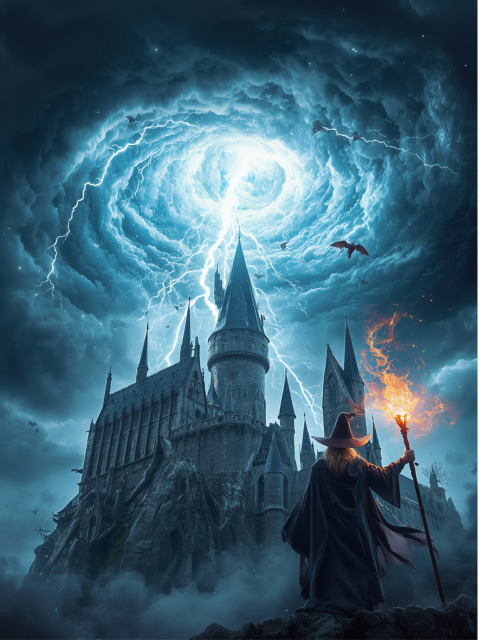
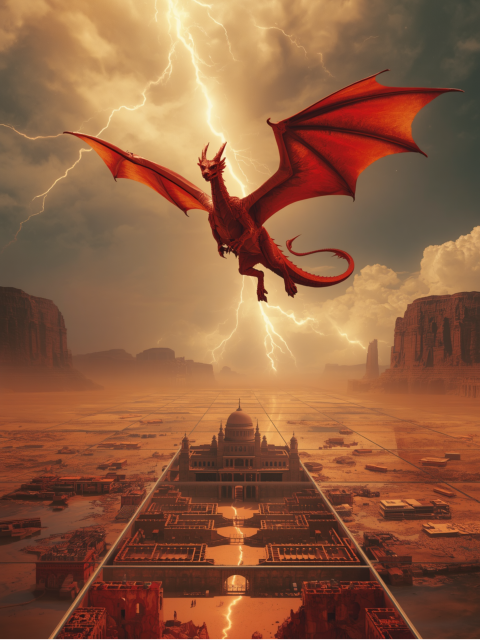
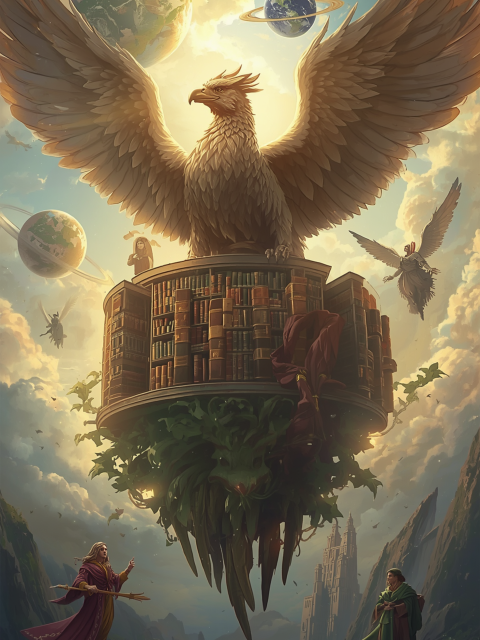
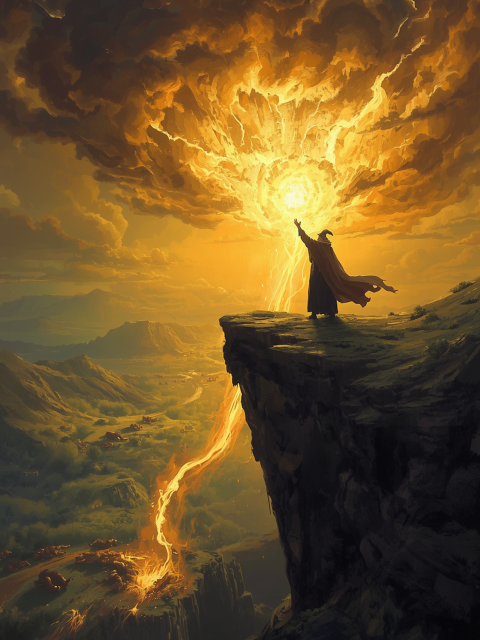
“A lone wizard standing at the edge of a cliff at dawn, arms raised, summoning a storm of arcane energy that tears open the sky above a valley of sleeping dragons, painted in the tradition of Golden Age fantasy illustration with warm golden light breaking through dark clouds.”
Summary
Fantasy Art is not a genre of escapism — or not merely that. At its greatest, it is a genre of expansion: of what is possible, what is beautiful, what is terrible, and what it might mean to live in a world where consequence and wonder are woven into the fabric of existence itself. From Gustave Doré’s infernal architectures to Frank Frazetta’s savage barbarians, from Alan Lee’s luminous Middle-earth to the vast digital worlds of contemporary concept art, Fantasy Art has consistently represented some of the most ambitious and technically accomplished image-making of its era.
Its dual inheritance — classical and digital, fine art and commercial, ancient myth and contemporary world-building — gives it a breadth and vitality that few other genres can match. The traditions established by the Golden Age illustrators and the heroic fantasy painters of the mid-twentieth century have been taken up and transformed by a global community of digital artists whose work reaches audiences of hundreds of millions through games, films, and online platforms. Yet the essential impulse remains unchanged: to make the impossible visible, and in doing so, to make the viewer feel, for a moment, that it might be real.
As long as human beings tell stories about heroes and monsters, as long as we dream of worlds beyond the mundane, and as long as there are artists with the skill and vision to give those dreams pictorial form, Fantasy Art will endure as one of the most powerful and beloved of all visual traditions.
If you like this post then i invite you to subscribe to my preview list and receive advanced notifications of new posts, new additions to our educational resources, special limited edition collections, special offers, discounts and more
Be sure and check out the Haus Of Legends Educational Series an every growing collection of AI Begininers Guides, AI Art Glossary, Creative Process Excersies, Iteration worksheets, reference sheets and more..
If you have an idea for blog post, or a request for an education resource, send us a message in**@**************ds.com
New arrivals
-
“Merry F**king Christmas” Sarcastic Christmas Greeting Card (Single Card with Envelope) – 2
$6.75 -

“Happy F**cking Holidays” Sarcastic Christmas Greeting Card (Single Card with Envelope) – 2
$6.75 -
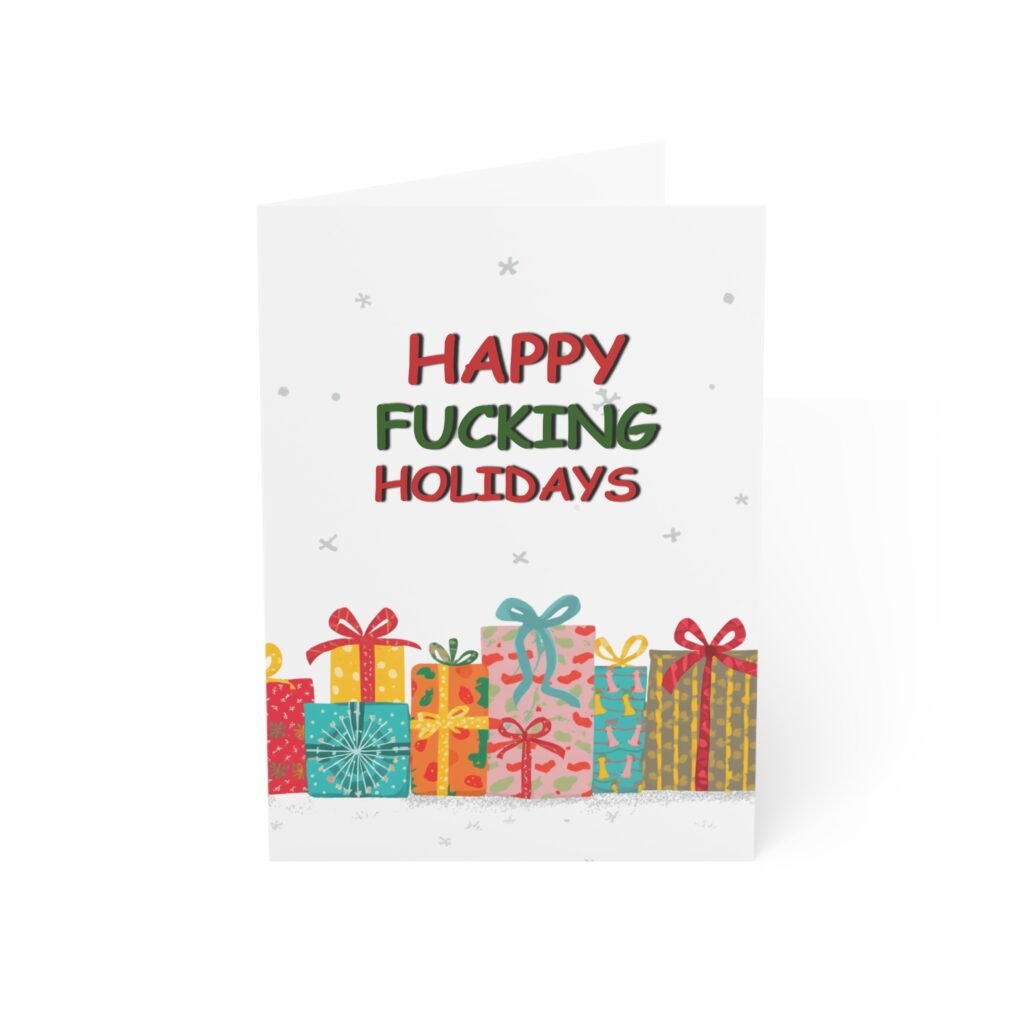
“Happy F**cking Holidays” Sarcastic Christmas Greeting Card (Single Card with Envelope) – 1
$6.75 -
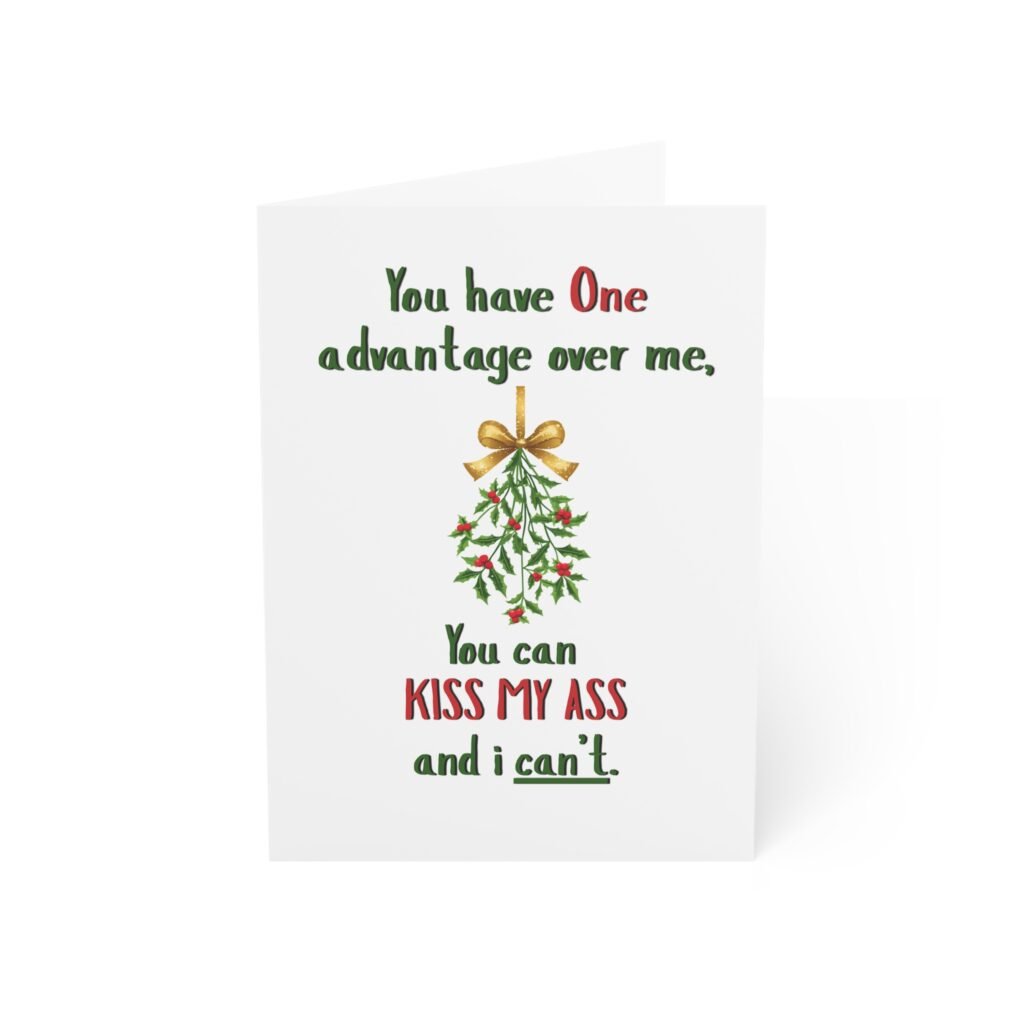
“You can Kiss My A**” Funny Christmas Greeting Card (Single Card with Envelope)
$6.75 -
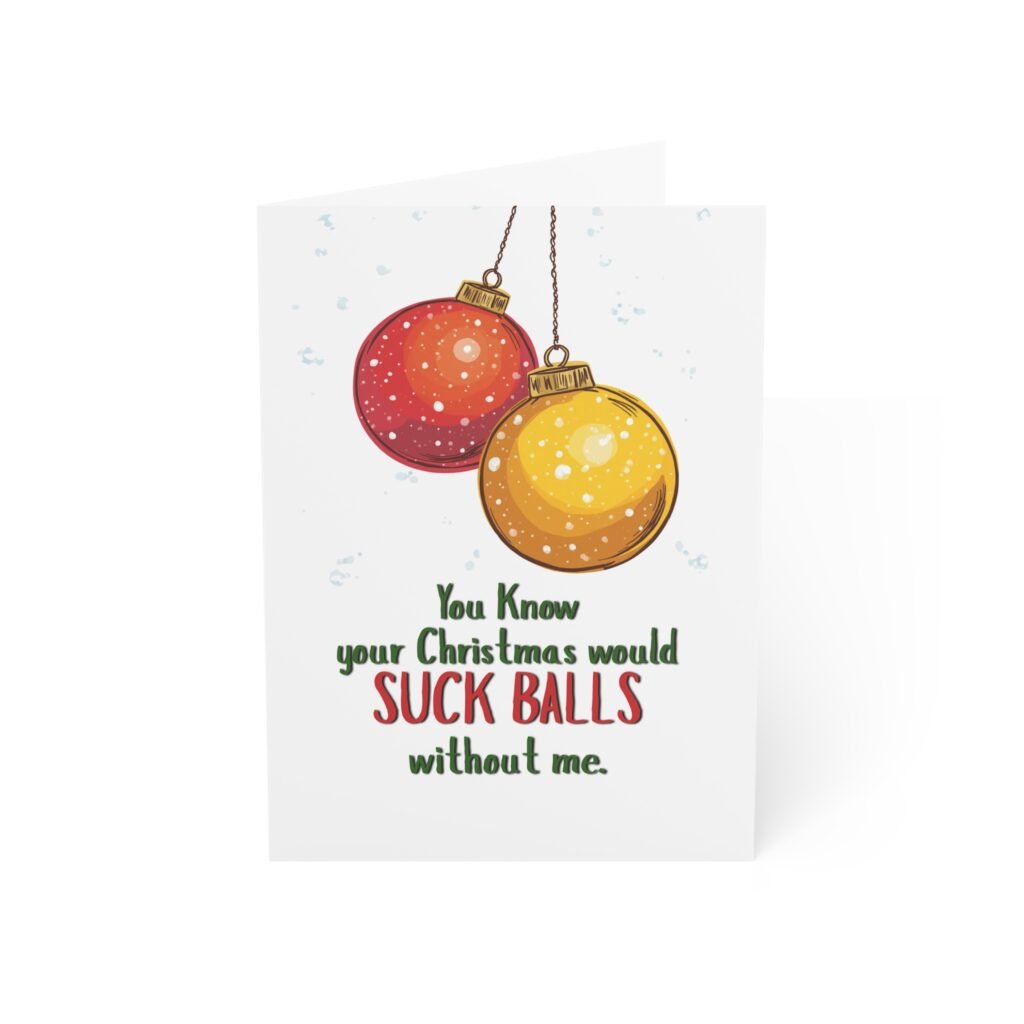
“You Know Your Christmas Would S*ck Balls Without Me” Funny Holiday Greeting Card (Single Card)
$6.75 -
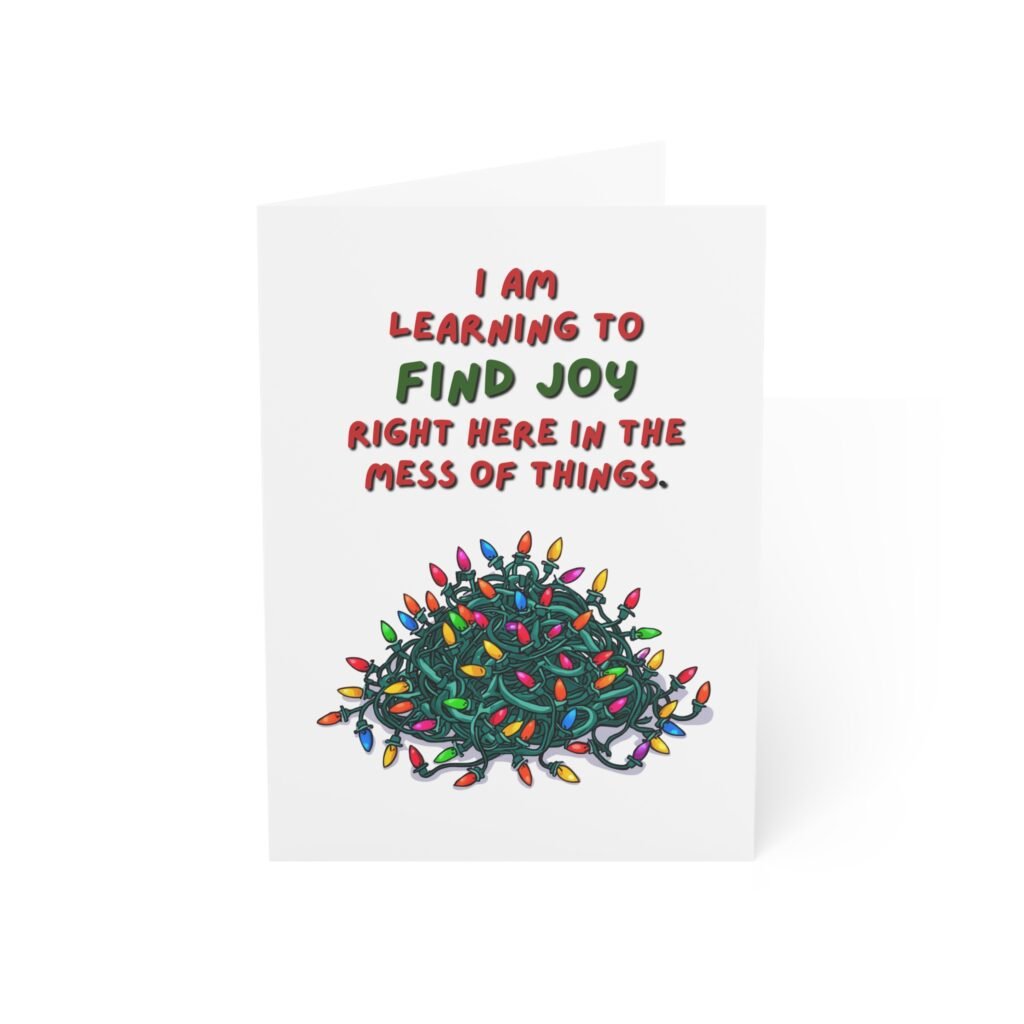
“Learning to Find Joy Right Here” Funny Christmas Greeting Card (Single Card with Envelope)
$6.75 -
“Santa Doesn’t Believe in You, Either.” Funny Christmas Greeting Card (Single Card with Envelope)
$6.75 -

“Merry Christmas B*tch.” Sarcastic Christmas Greeting Card (Single Card with Envelope)
$6.75 -
“Dear Santa How Much Do You Already Know?” Funny Christmas Greeting Card (Single Card with Envelope)
$6.75 -
“Dear Santa It’s Actually A Funny Story” Holiday Greeting Card (Single Card with Envelope)
$6.75 -
“Dear Santa, Define ‘Naughty’” Funny Christmas Greeting Card (Single Card with Envelope)
$6.75 -
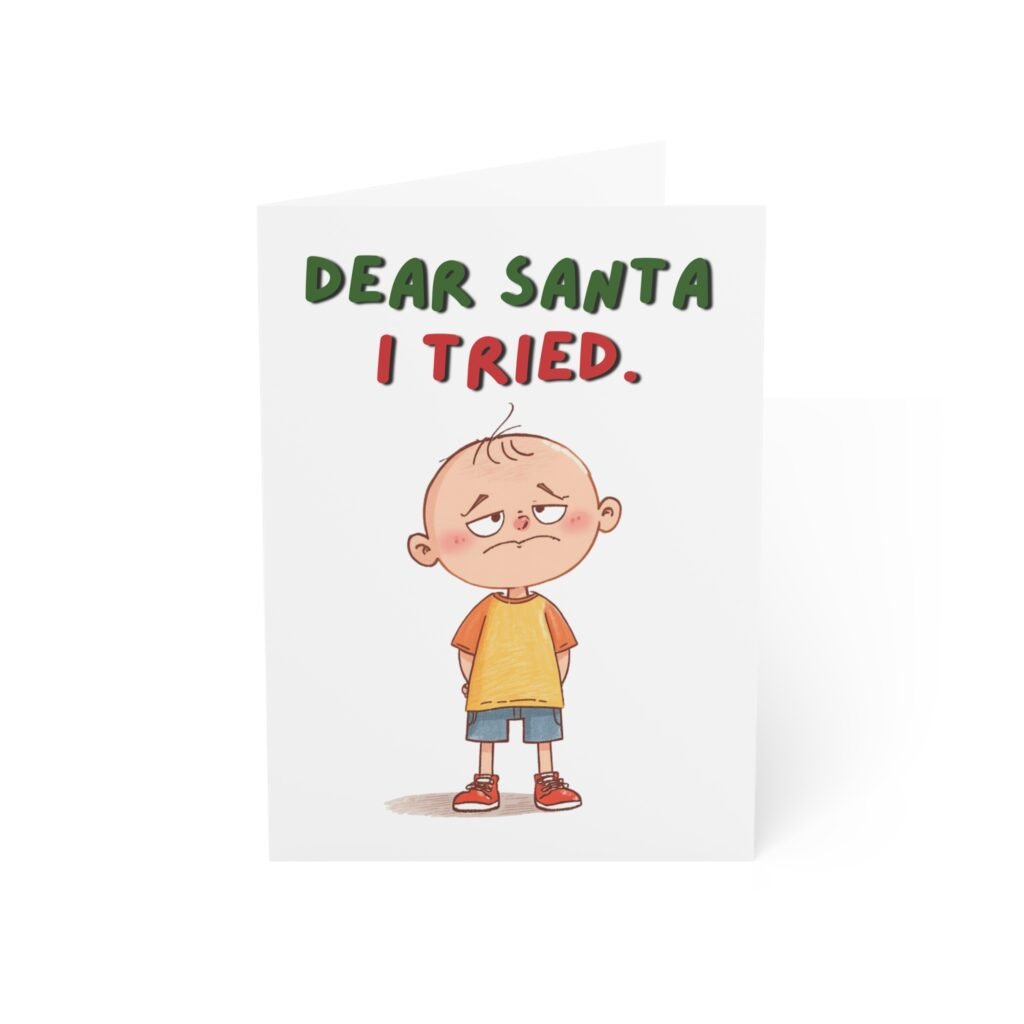
“Dear Santa I Tried” Funny Christmas Greeting Card (Single Card with Envelope)
$6.75 -
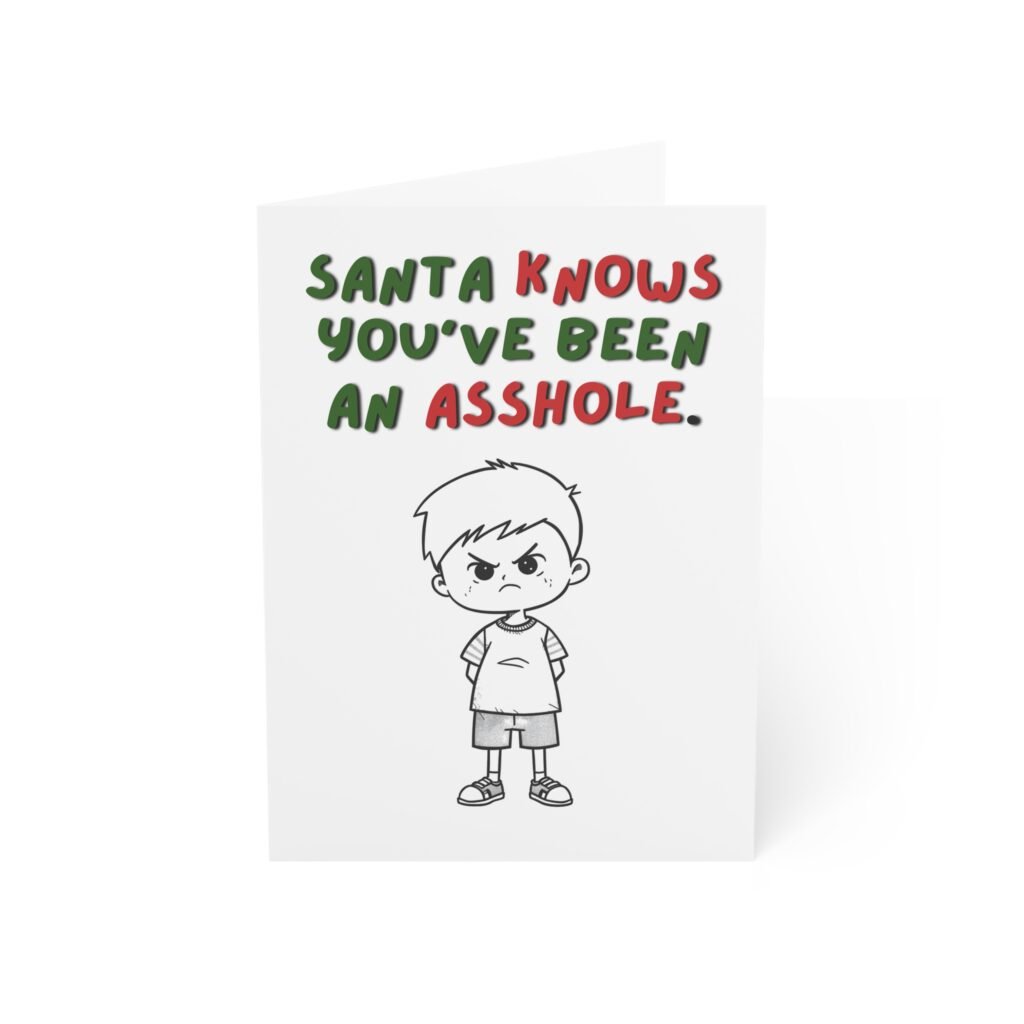
“Santa Knows You’ve Been An A**hole” Sarcastic Christmas Greeting Card (Single Card with Envelope)
$6.75 -
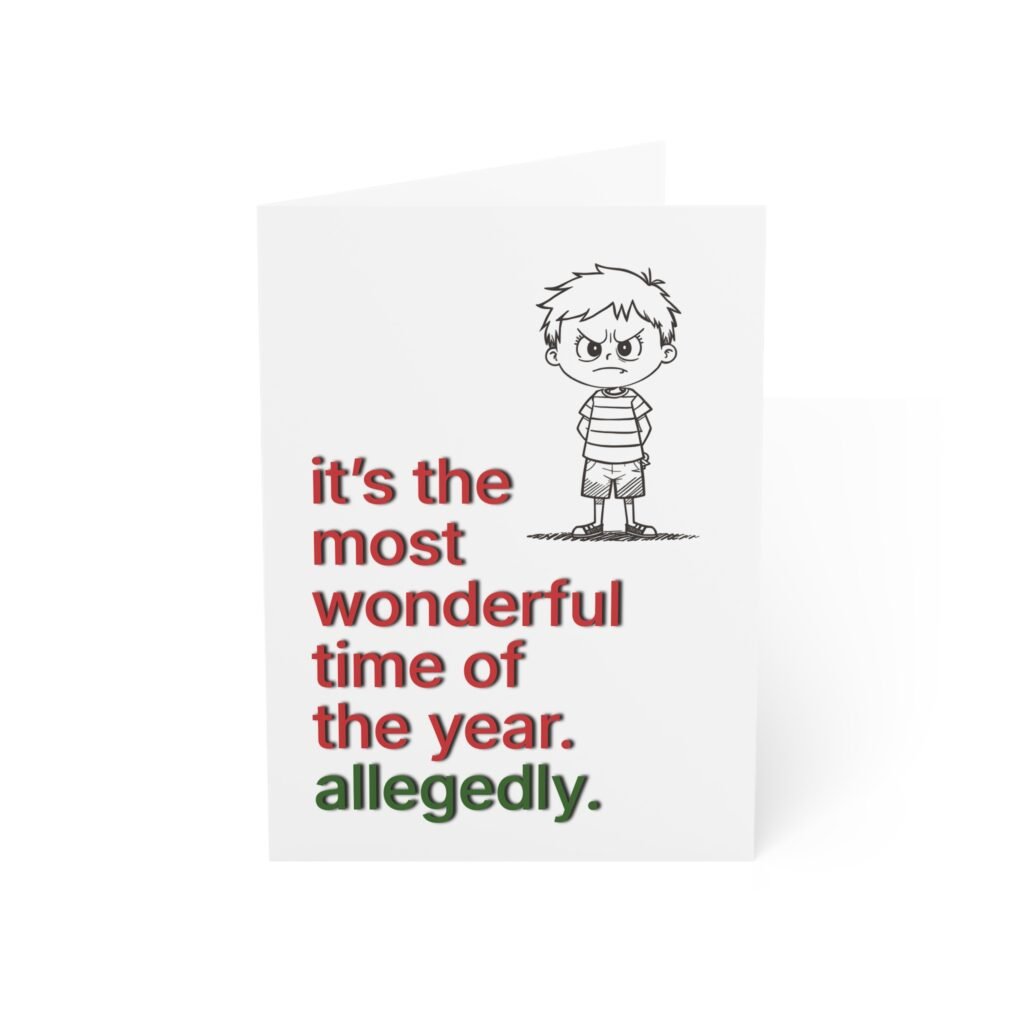
“It’s the Most Wonderful Time of the Year. Allegedly.” Funny Holiday Greeting Card (Single Card)
$6.75 -
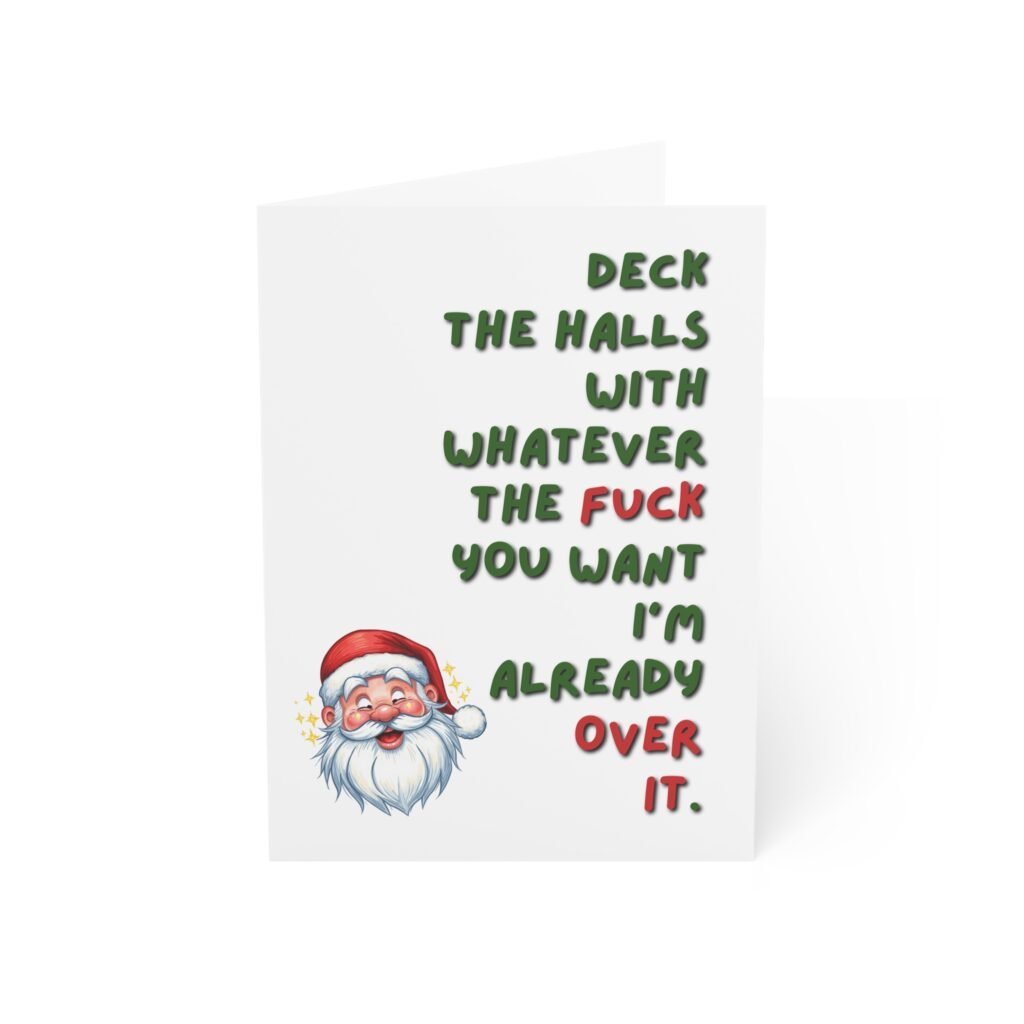
“Deck the Halls With Whatever the F*ck You Want” Funny Christmas Greeting Card (Single Card)
$6.75 -

“Officially on the Naughty List” Funny Christmas Greeting Card (Single Card with Envelope)
$6.75 -
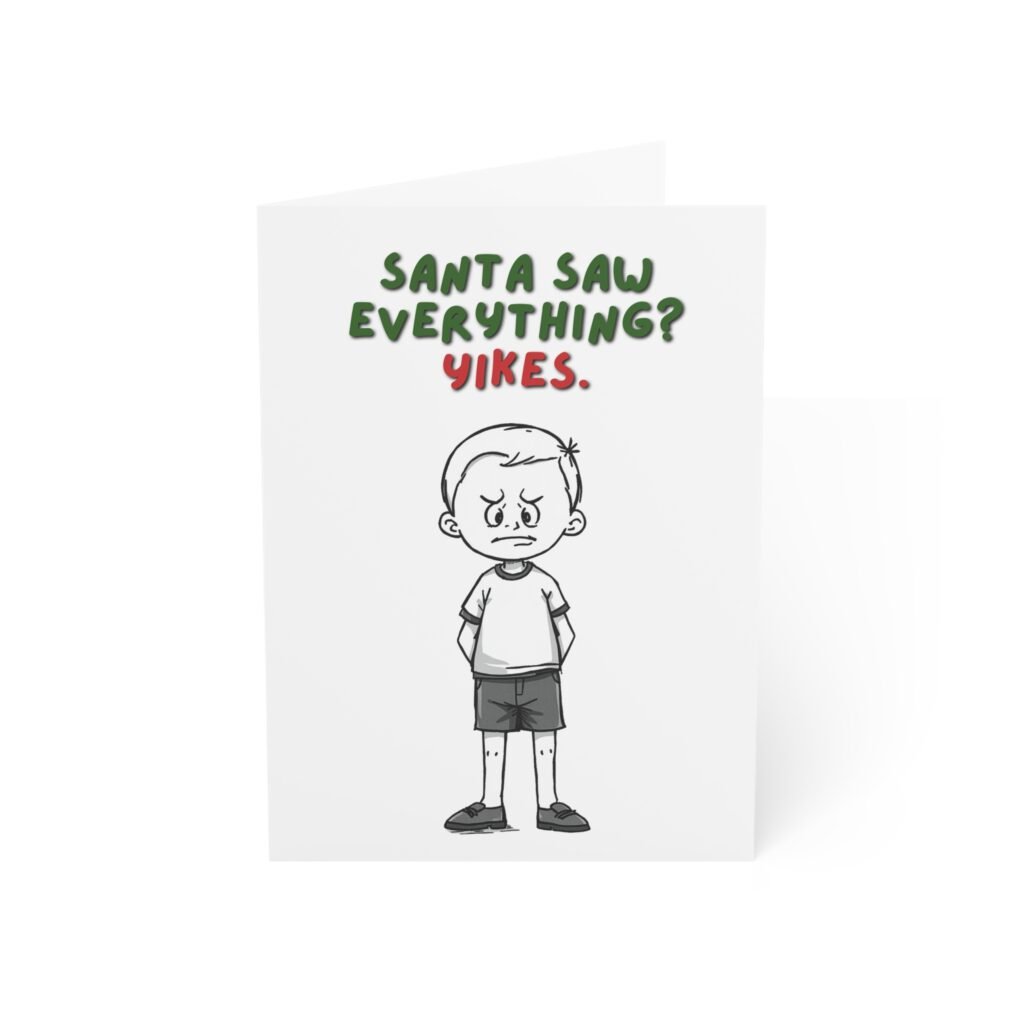
“Santa Saw Everything? Yikes.” Funny Christmas Greeting Card (Single Card with Envelope)
$6.75 -
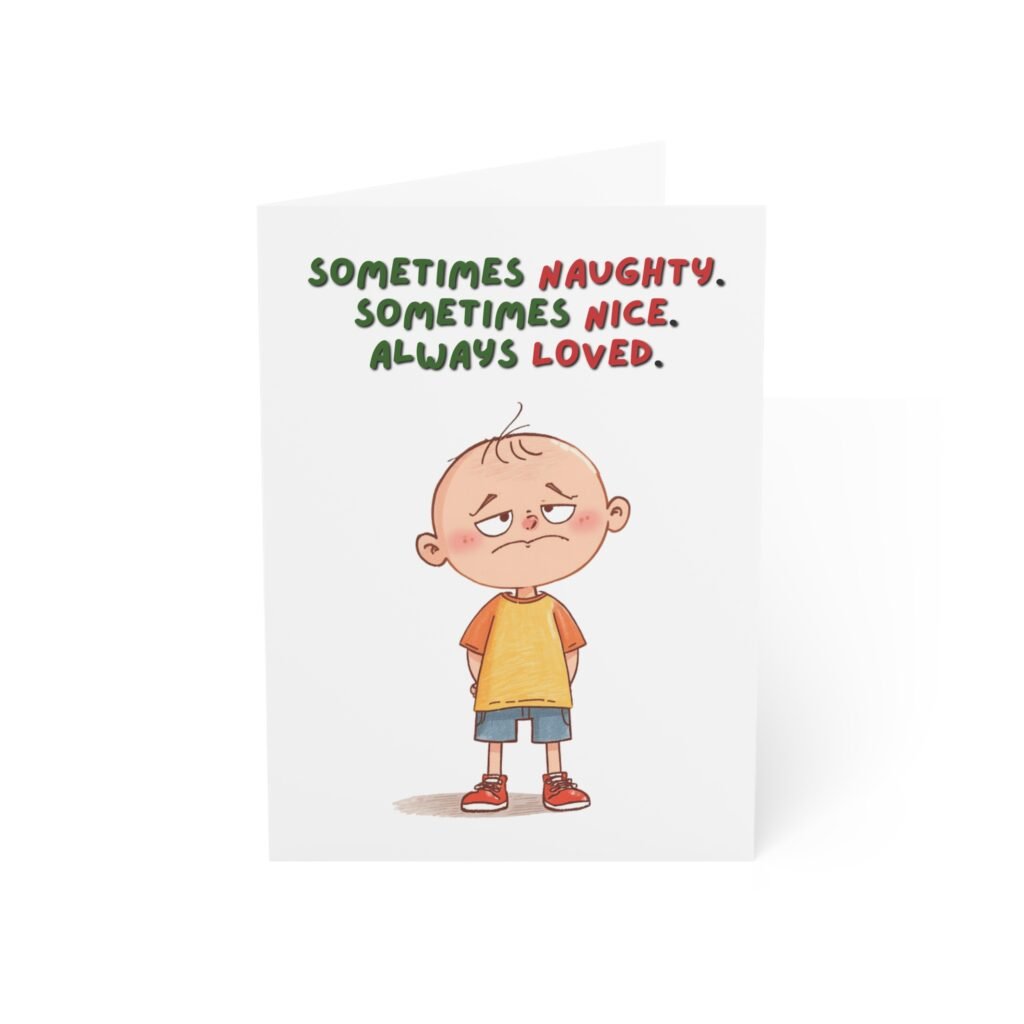
“Sometimes Naughty, Sometimes Nice, Always Loved” Holiday Greeting Card (Single Card with Envelope)
$6.75 -

“Dear Santa, I Can Explain!” Funny Christmas Greeting Card (Single Card with Envelope)
$6.75 -
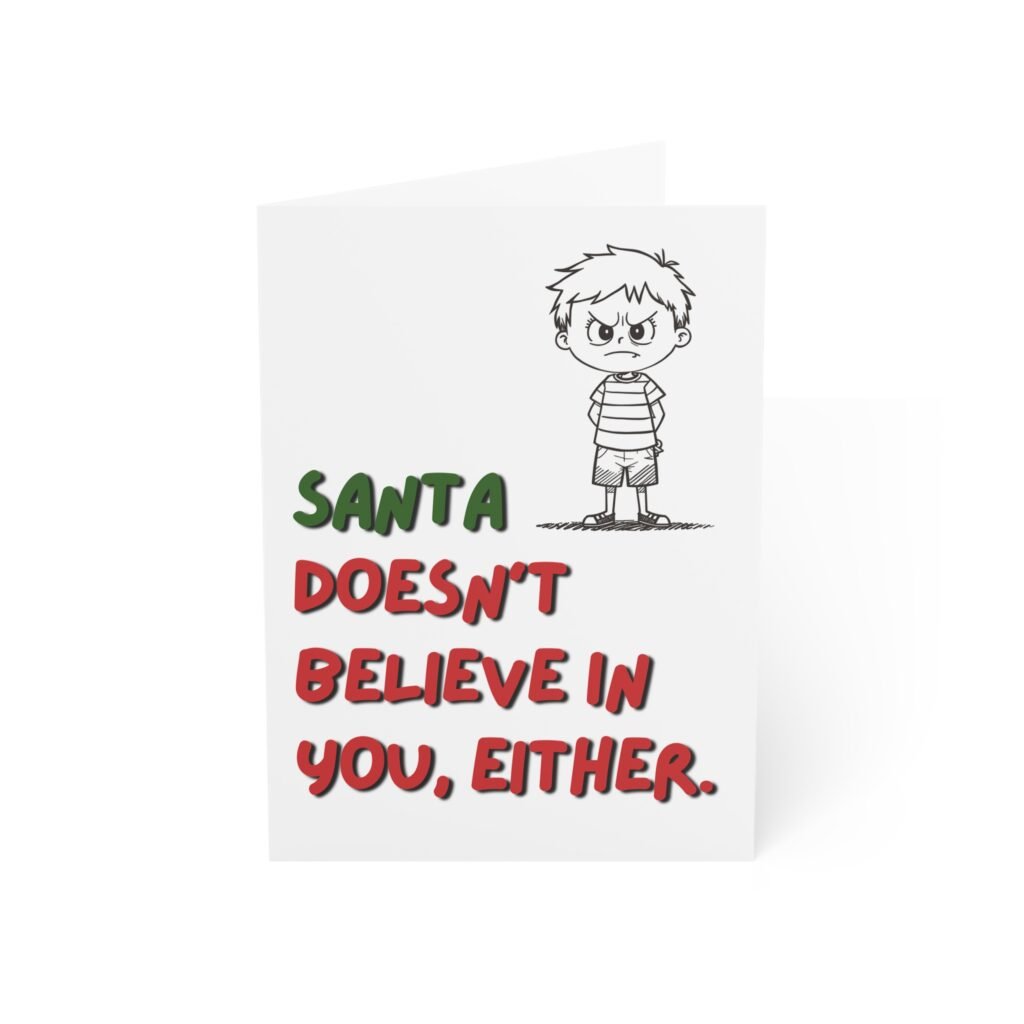
“Santa Doesn’t Believe in You Either” Funny Christmas Greeting Card (Single Card with Envelope) – 2
$6.75 -
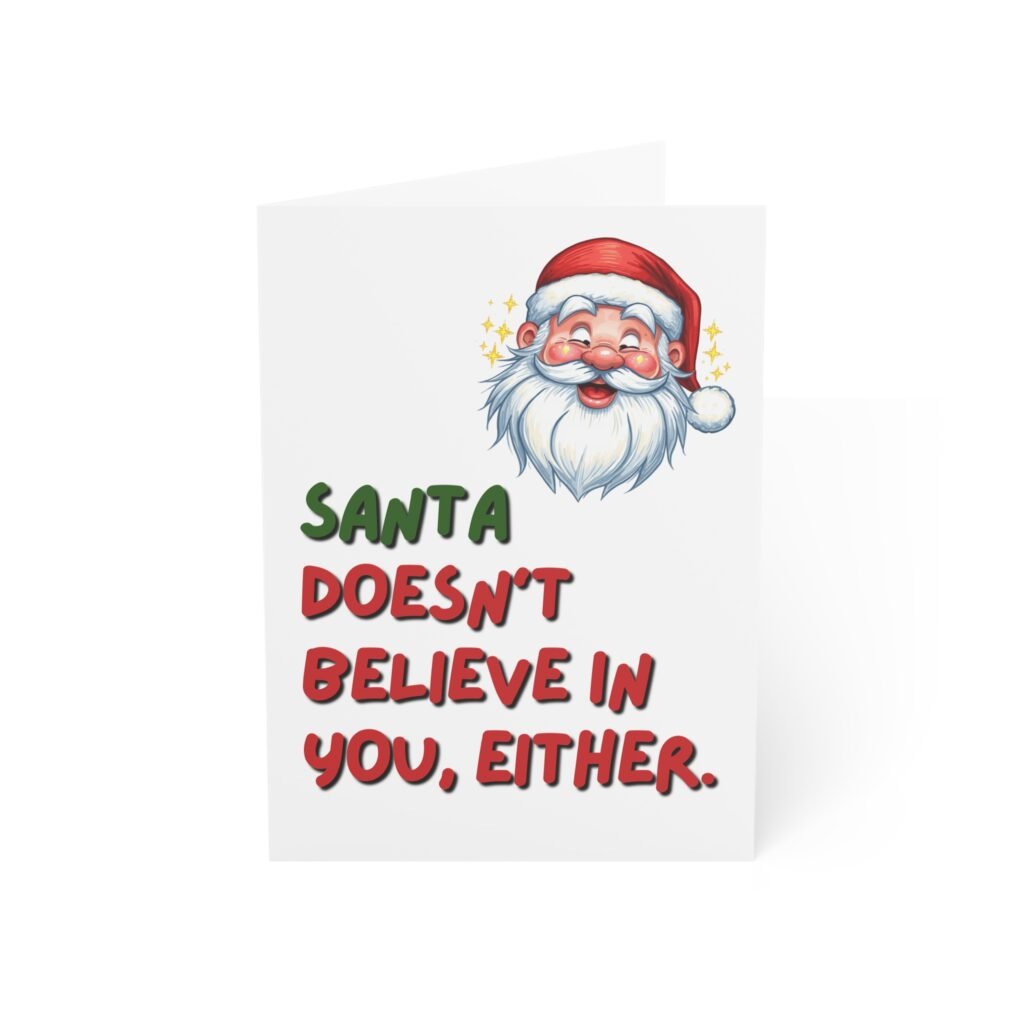
“Santa Doesn’t Believe in You Either” Funny Christmas Greeting Card (Single Card with Envelope) – 1
$6.75 -
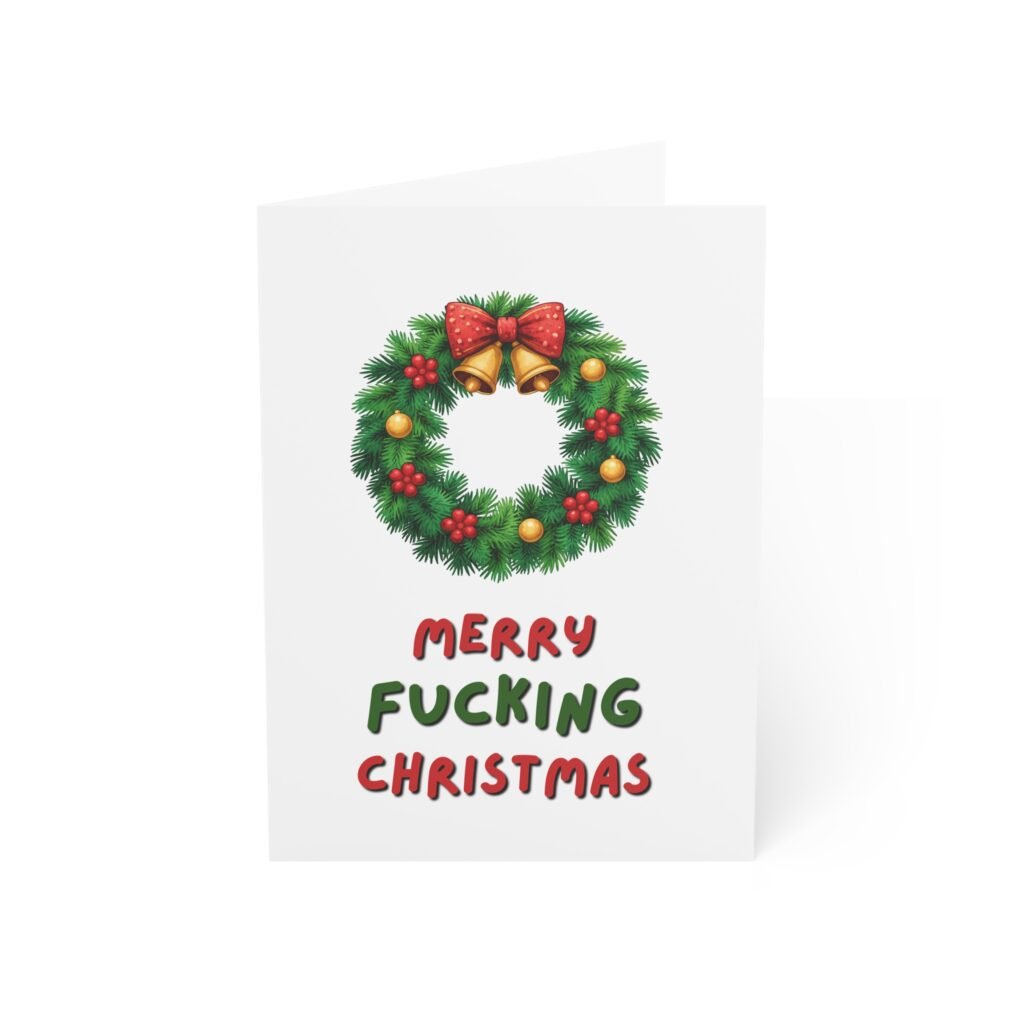
“Merry F**king Christmas” Sarcastic Christmas Greeting Card (Single Card with Envelope) – 1
$6.75 -
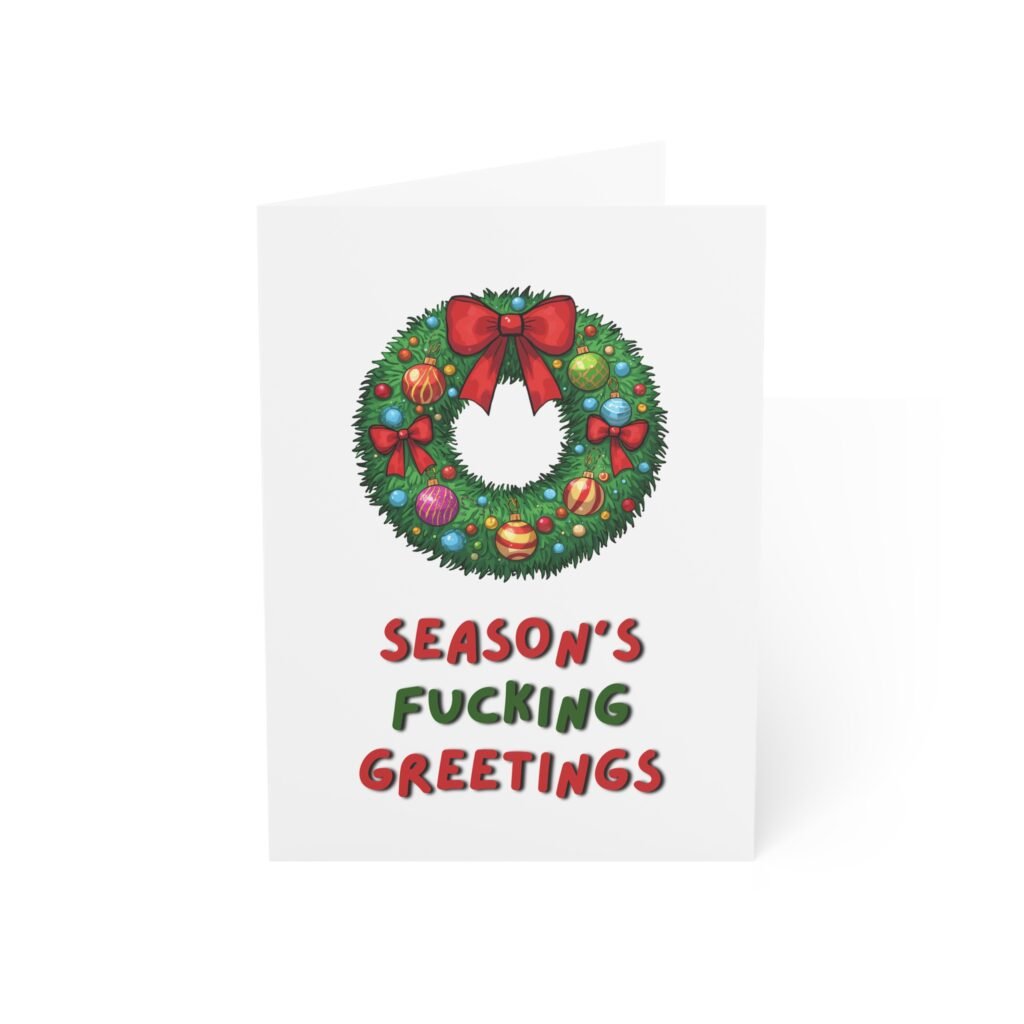
“Season’s F*cking Greetings” Wreath Sarcastic Holiday Greeting Card (Single Card)
$6.75 -
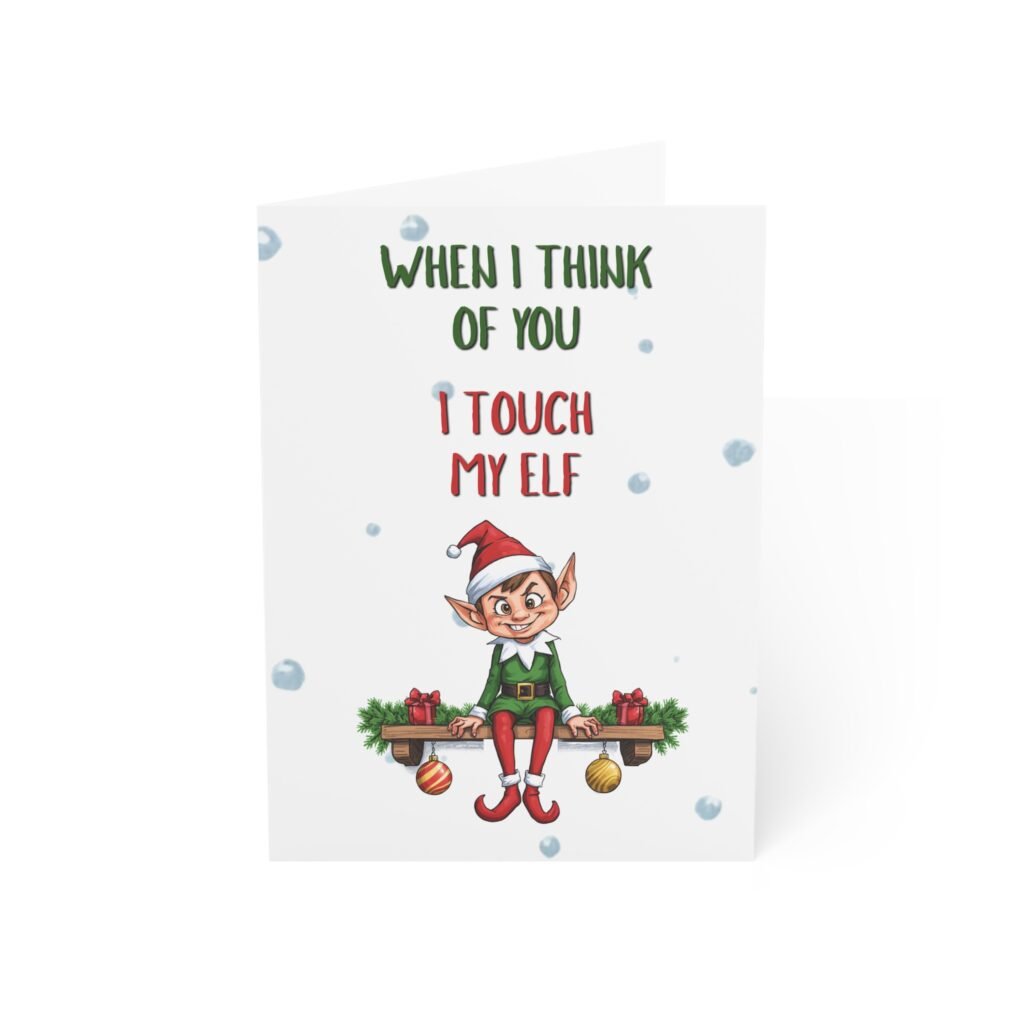
“When I Think of You…” Funny Christmas Greeting Card (Single Card with Envelope)
$6.75 -
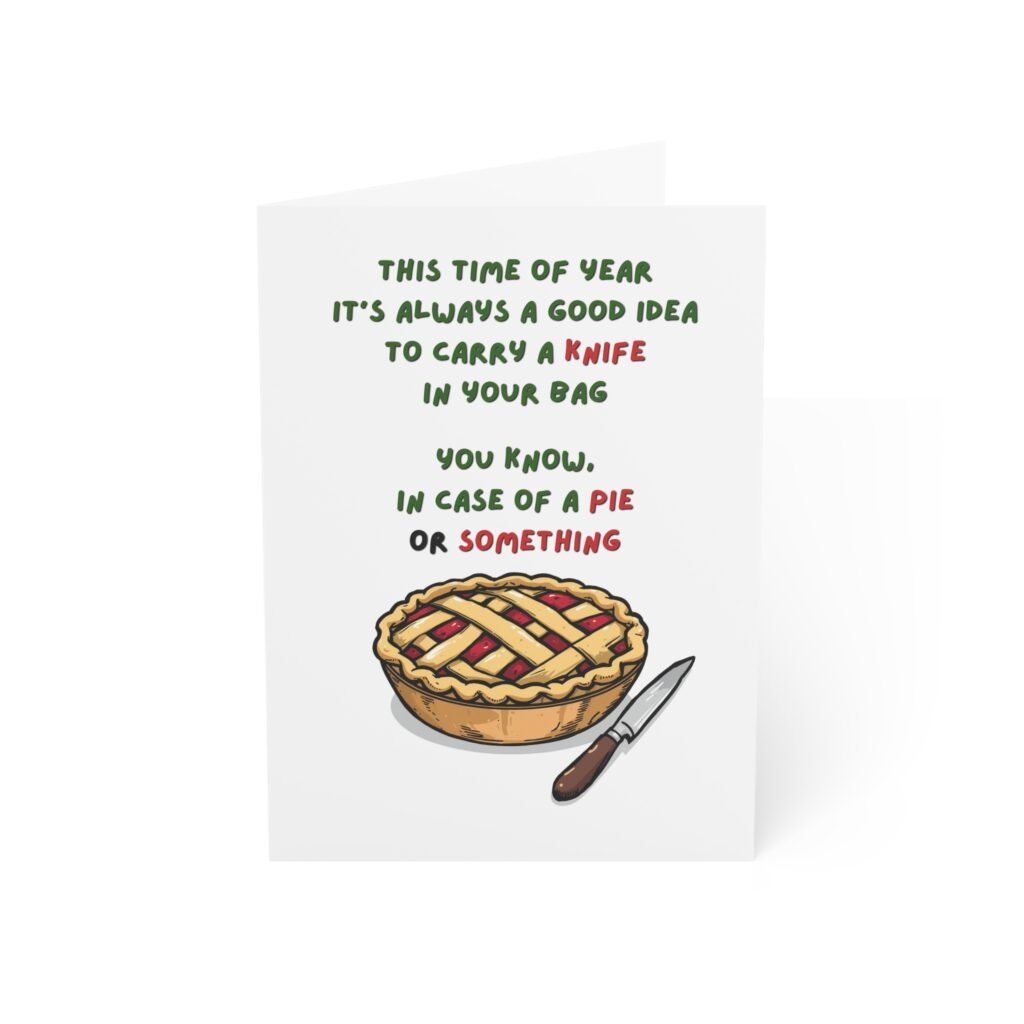
“This Time of Year It’s Always…” Funny Christmas Greeting Card (Single Card with Envelope)
$6.75 -
“If I Was the Partridge in a Pear Tree” Funny Christmas Greeting Card (Single Card with Envelope)
$6.75 -
Creative Bridge Beginner Bundle – 50-Entry Journal + Artistic Styles A–Z
$32.99 -
Funny Christmas Mug – Sarcastic “Santa Doesn’t Believe” Coffee Mug
$12.75