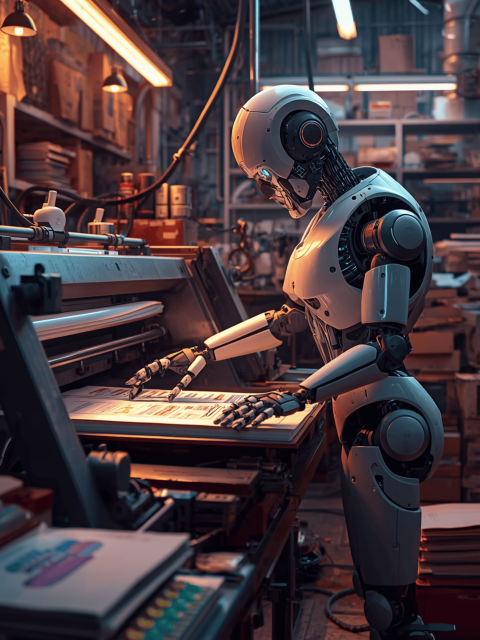
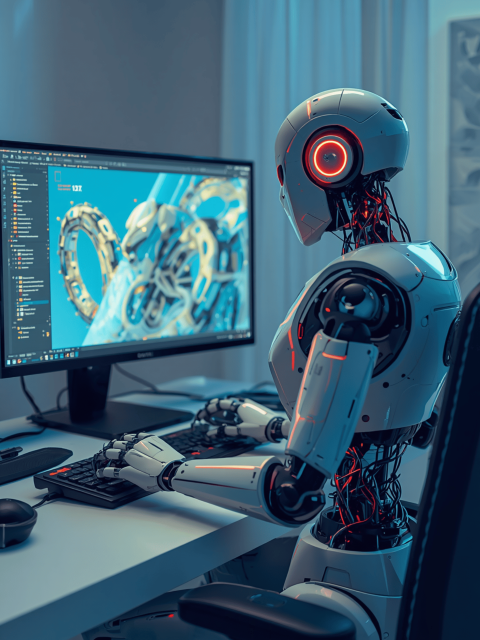
Every new creative technology has faced skepticism, Generative Art is not different.
Photography was once criticized for not being “real art.” Digital art was dismissed by some traditional artists because computers were involved. Graphic design software, digital cameras, and even Photoshop were accused of making creativity “too easy.”
Today, artificial intelligence is the newest technology sparking debate.
One of the most common claims made by critics is that AI simply “creates art by itself” while the human does nothing. While this may sound reasonable on the surface, it does not accurately describe how generative art is created in practice.
To understand the discussion, it helps to understand what is actually happening behind the scenes.
What Is Generative AI?
Generative AI is a technology that creates new content based on patterns it learned during training.
For image generation, AI models analyze vast amounts of visual information and learn relationships between shapes, colors, lighting, textures, composition, perspective, and countless other visual elements.
Importantly, the AI does not function like a search engine that finds and copies existing images. Instead, it learns statistical relationships between concepts and visual patterns.
When asked to generate an image, it creates a completely new arrangement of pixels based on those learned relationships.
Think of it this way:
A human artist studies thousands of images throughout their lifetime and learns visual patterns. An AI model does something similar, but mathematically rather than biologically.
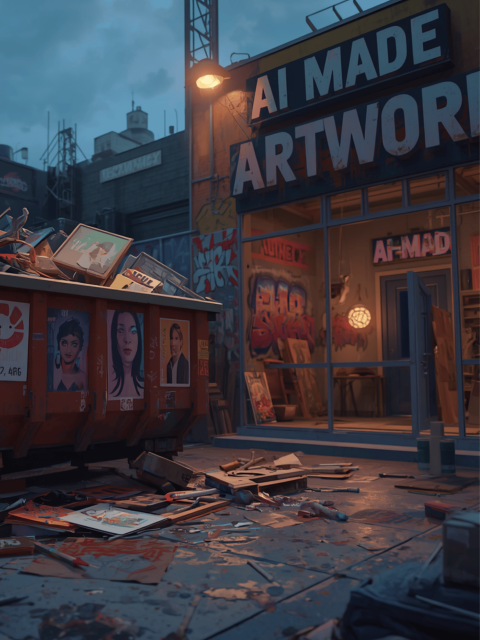
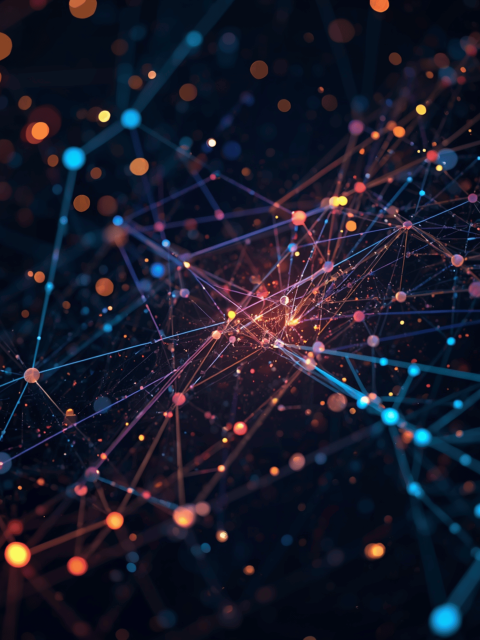
What Happens When You Type a Prompt?
Many people imagine the process is simple: Type a sentence. Press Enter. Receive a masterpiece.
The reality is far more complicated.
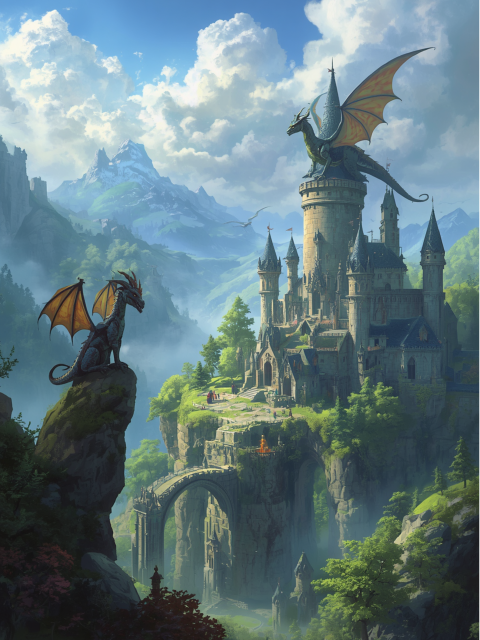
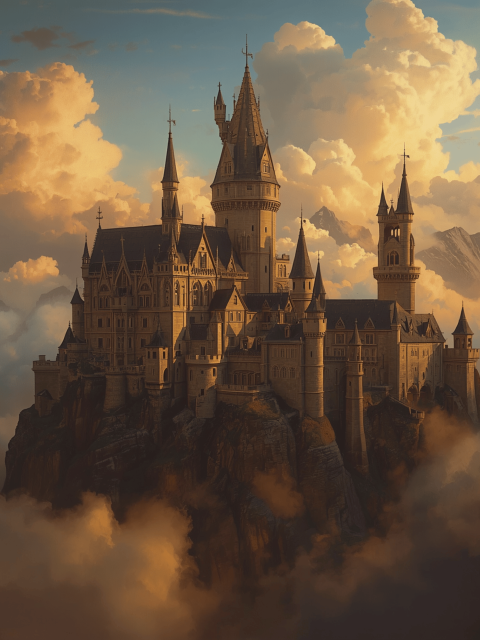
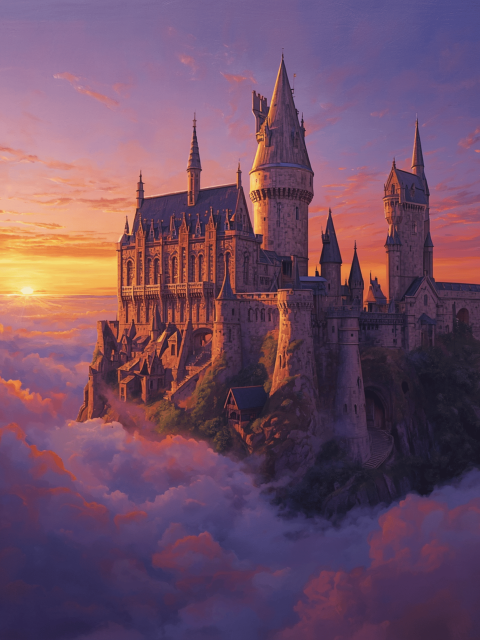
When a user enters a prompt such as: “A medieval castle floating above the clouds at sunset, cinematic lighting, highly detailed oil painting.” The AI does not immediately create a finished image.
Instead, several complex processes begin.
Step 1: The AI Interprets Language
The model first analyzes the words and their relationships. It identifies concepts such as:
- Medieval castle
- Floating
- Clouds
- Sunset
- Cinematic lighting
- Oil painting
- Highly detailed
Each concept is translated into mathematical representations that the model can understand. The AI begins building a map of what the user is requesting.
Step 2: The Image Starts as Noise
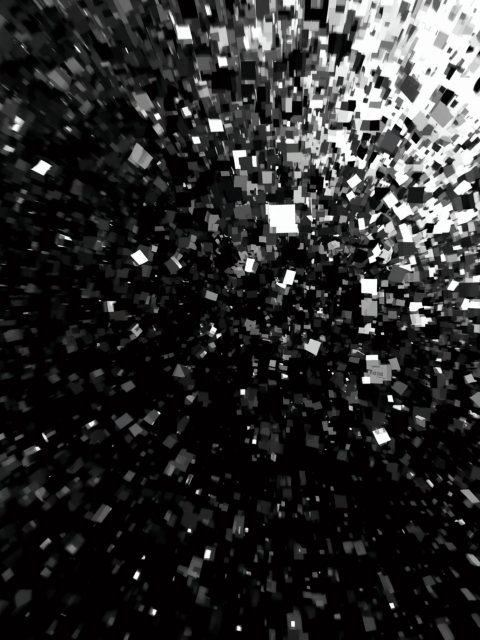
This surprises many people. The image does not begin as a sketch. It begins as random visual noise. Imagine television static covering the entire canvas. At this stage, there is no castle, no clouds, and no sunset. Just randomness.
Step 3: The AI Removes Noise
The model then begins a process called diffusion.
Over dozens of steps, the AI gradually removes noise while moving the image closer to the concepts described in the prompt. Each pass adds more structure. Shapes emerge. Lighting develops. Textures appear
Composition begins to take form. Eventually the random noise becomes a recognizable image. This process happens in seconds, but it involves an enormous amount of computation.
Step 4: The AI Evaluates the Result
Many modern systems include additional guidance models. These systems continually compare the evolving image to the user’s prompt. Questions are effectively asked:
- Does this resemble a castle?
- Are there clouds?
- Is the lighting cinematic?
- Does it resemble an oil painting?
The image is adjusted repeatedly throughout generation.
Step 5: The Final Image Is Produced
After many iterations, the system produces a final result. The image did not exist before. It was mathematically generated pixel by pixel through the diffusion process.
Why One Prompt Rarely Produces Great Art
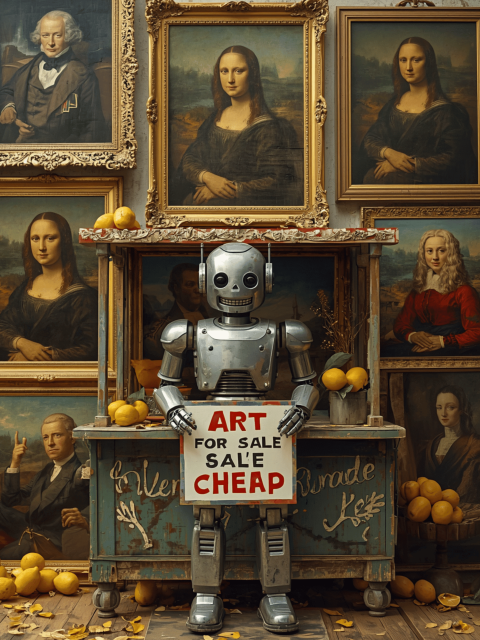
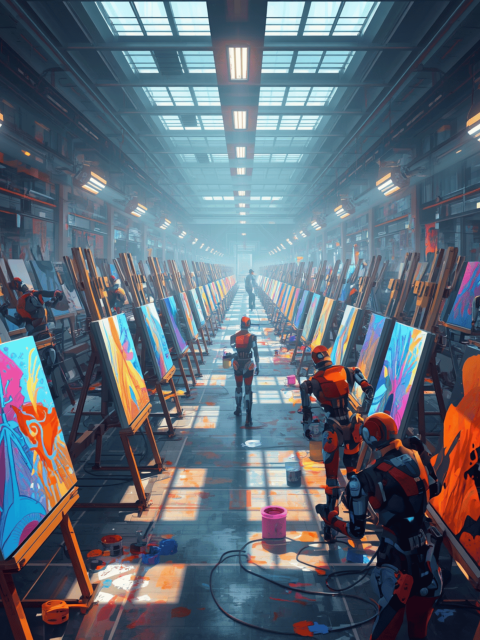
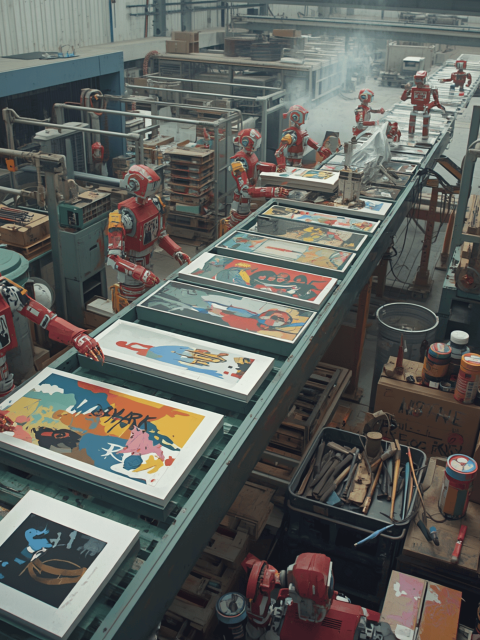
This is where many outside observers misunderstand the creative process. Typing a prompt does not guarantee quality. In fact, most experienced AI artists will tell you the opposite. The first image is often only the beginning. Professional AI artists may generate dozens, hundreds, or even thousands of images while pursuing a specific vision.
They continually refine:
- Prompt wording
- Composition
- Style references
- Camera angles
- Lighting
- Color palettes
- Subject positioning
- Aspect ratios
- Rendering settings
Each adjustment influences the result. Just as a painter makes brushstroke decisions, AI artists make creative decisions throughout the generation process.
The Hidden Skills Behind AI Art
The public often sees only the final image. They rarely see the hours of work that produced it. Successful AI artists often develop skills in:
Visual Composition
Understanding balance, focal points, perspective, and storytelling.
Art History
Recognizing artistic movements, styles, techniques, and visual language.
Photography
Understanding lenses, depth of field, lighting, framing, and camera positioning.
Design Principles
Using color theory, hierarchy, contrast, and layout effectively.
Prompt Engineering
Learning how specific language influences results.
Image Editing
Many AI-generated artworks undergo extensive editing in software such as Adobe Photoshop after generation.
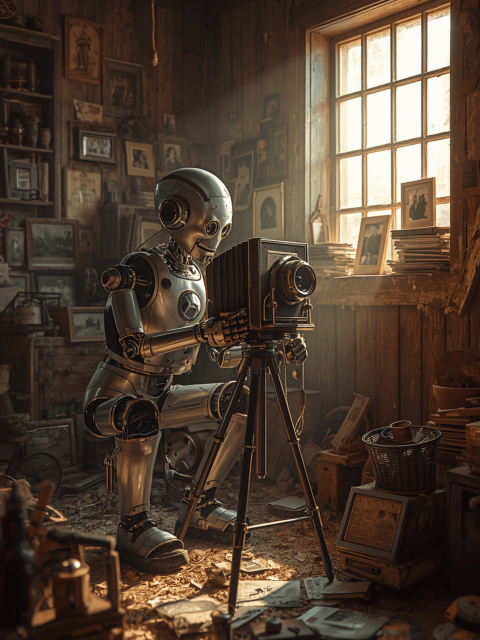
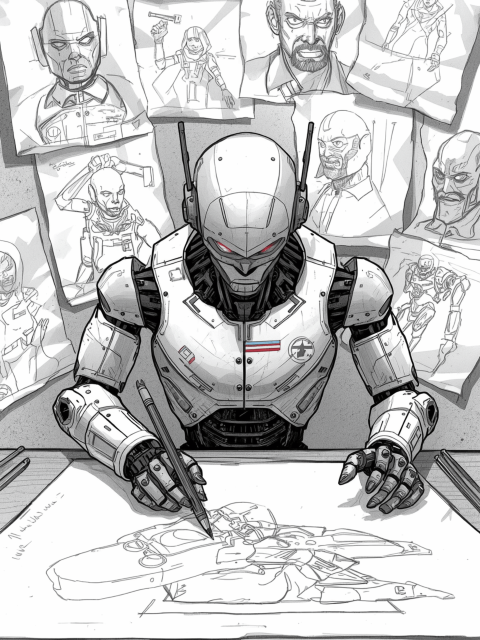
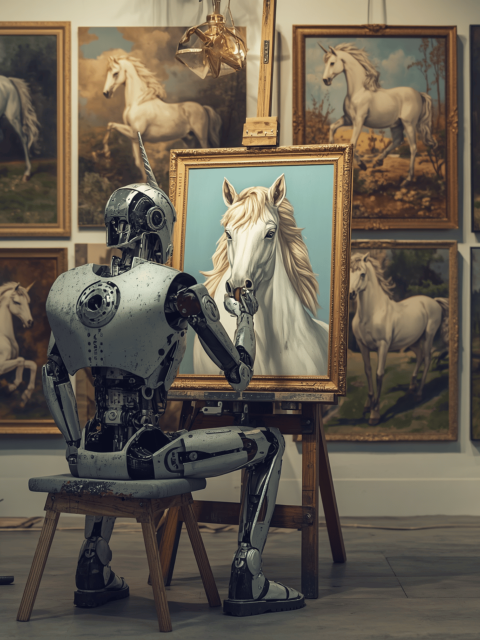
“The AI may generate the raw material, but the artist refines and directs the final outcome.”
Why Practice Matters
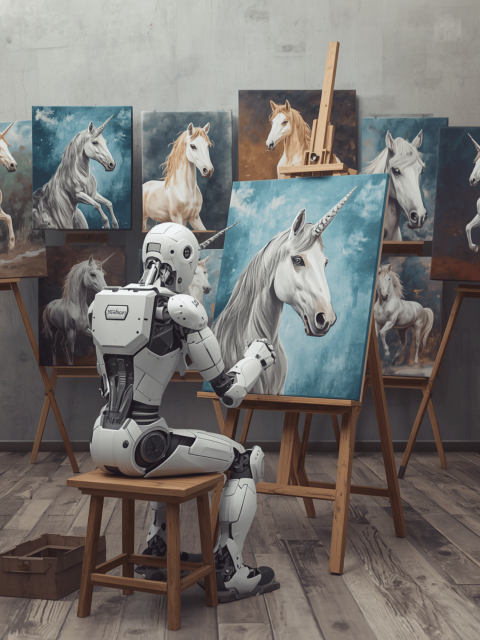
A common misconception is that AI art requires no skill. If that were true, everyone would be producing museum-quality work on their first day. That clearly is not happening.
The reality is simple:
Tools do not create mastery. People create mastery. Give a beginner a pencil. Give another beginner a paintbrush. Give another beginner Photoshop. Give another beginner an AI image generator. None of them instantly become master artists.
Every creative tool requires learning. Every creative tool requires experimentation. Every creative tool requires practice. Generative AI is no different.
Many newcomers discover quickly that creating the image they imagined is far more difficult than they expected. The gap between imagination and execution still exists.
“The tools have changed. The learning process remains.”
We Are Still at the Beginning
One of the most important things to remember is that public access to AI creative tools is still very new. We are in the earliest chapters of this technological shift. Future generations will likely view AI tools the same way we view digital cameras, Photoshop, or graphic design software today—as normal parts of the creative landscape.
The artists who start learning now will have years of experience when these tools become even more capable. The artists who wait may find themselves trying to catch up later.
An Invitation to Explore
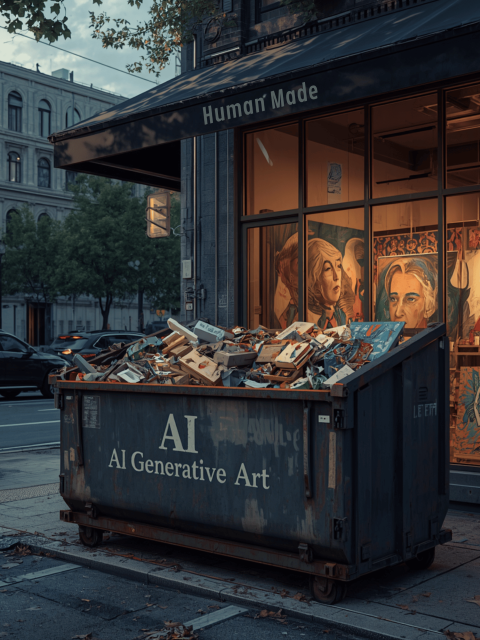
Whether you love AI, dislike AI, or remain undecided, there is value in understanding it. You do not have to abandon traditional art. You do not have to stop painting, drawing, sculpting, designing, photographing, or creating by hand. But understanding new tools has always been part of artistic growth.
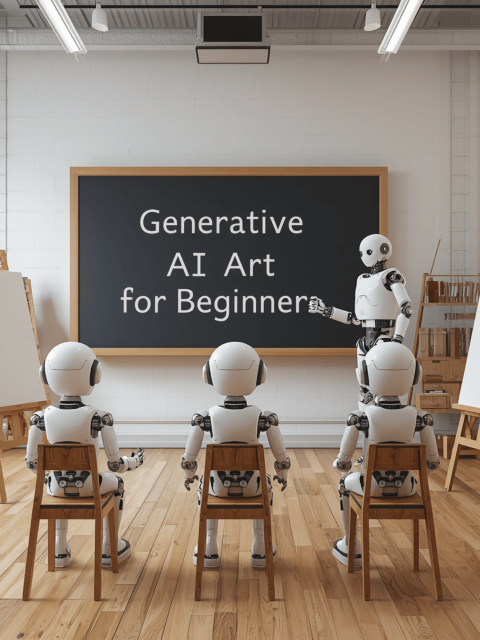
If you have never experimented with generative AI, try it. Approach it with curiosity rather than assumptions. Spend time learning. Practice. Then practice some more. And after that, keep practicing. Because despite what some people believe, creating high-quality AI artwork is not as simple as typing a sentence and pressing a button.
Like every creative tool that came before it, mastery comes from repetition, experimentation, failure, and persistence. The artists who produce exceptional work are usually the ones who invested the time to understand the tool.
AI is not going away.
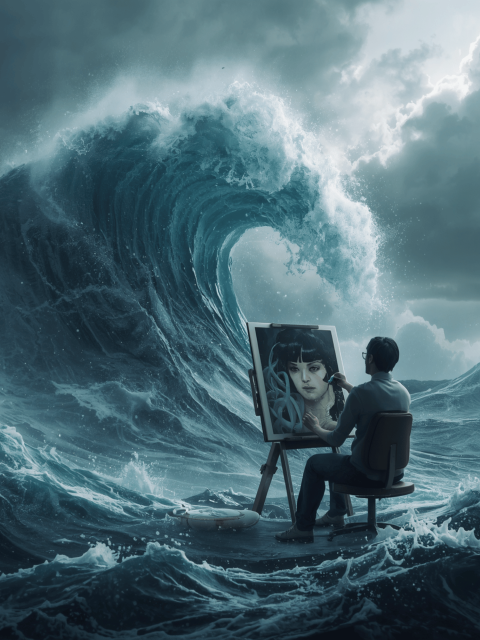
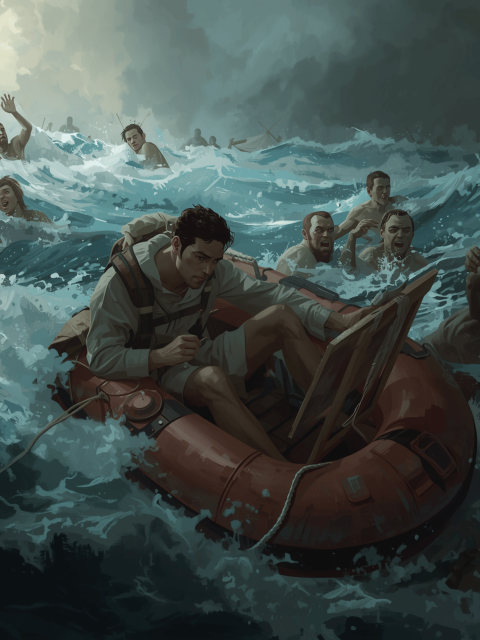
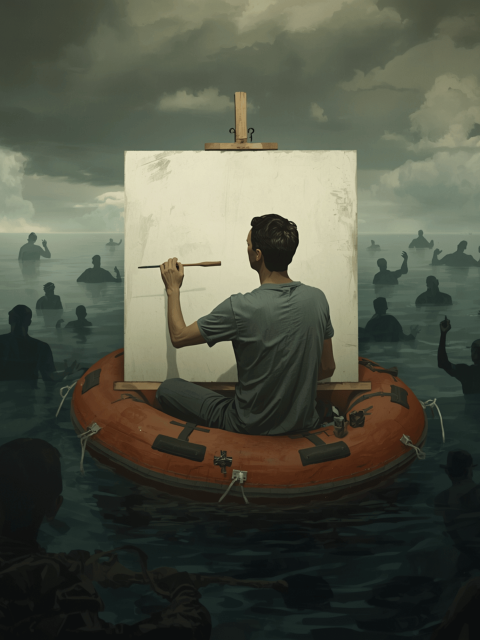
It is becoming part of the creative landscape whether we welcome it or not. When waves of technological change arrive, history shows that people generally face two choices: learn to navigate them or be overwhelmed by them.
Today, the keyboard and mouse are waiting. The question is not whether the technology exists. The question is whether you are willing to learn what can be done with it. The best time to start exploring was yesterday. The second-best time is today.
Continue Learning
This article is part of The Haus Of Legends educational ecosystem. Continue with: