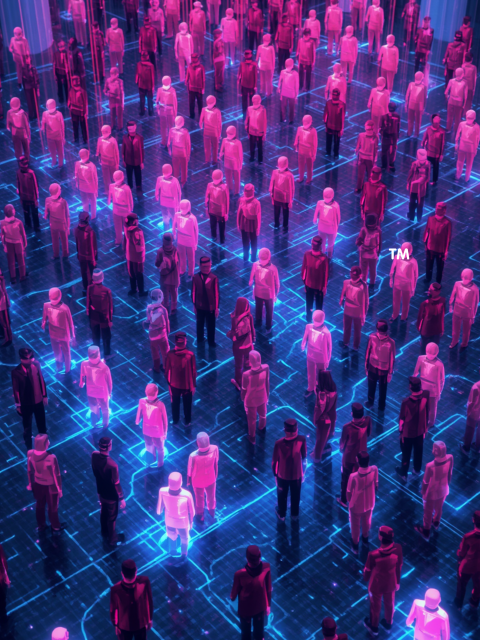
A Framework for Integrity, Awareness, and Respect in the New Creative Era
“Ethics is not a limitation on creativity — it is what gives creativity purpose.”
As artists enter the age of AI, mixed reality, and global digital exchange, ethical awareness has never been more important. With powerful tools comes powerful responsibility: to represent truthfully, create respectfully, protect intellectual property, and contribute to a culture where human and machine creativity coexist harmoniously.
These guidelines are not rules meant to restrict expression. They are principles that empower artists to create with clarity, integrity, and intention.
1. Honor Intellectual Property & Creative Labor
Ethical creation begins with respecting the work of others. In the era of generative AI:
- Avoid prompting the replication of living artists’ styles for commercial work.
- Do not mimic copyrighted characters, brands, or proprietary designs without permission.
- Respect the effort and identity behind artistic careers and personal styles.
- Use open-source or ethically trained models whenever possible.
Borrowing inspiration is part of artistic history — but appropriation without acknowledgment undermines the very spirit of creativity.
2. Understand Licensing, Usage Rights & Platform Policies
Each AI tool has its own rules governing:
- Outputs
- Commercial rights
- Attribution
- Dataset sourcing
- Privacy
- Content restrictions
Before publishing, selling, or distributing AI-assisted work:
- Read platform terms thoroughly.
- Ensure your subscription tier allows commercial usage.
- Verify rights if using model-trained assets or community-trained LoRAs.
- Be transparent when required or ethically appropriate.
Legal literacy is part of modern creative professionalism.
3. Represent Cultures, Identities & People with Care
AI models are trained on vast datasets that may include biased or harmful representations. Ethical creators must remain vigilant:
- Avoid stereotypes or reductive imagery.
- Use cultural symbols with respect, accuracy, and sensitivity.
- Consider the history or sacred nature of motifs before incorporating them.
- Challenge implicit biases in generated outputs by refining prompts or reworking imagery.
- Seek input when representing communities outside your own experience.
Respect is not only ethical — it enriches the work itself with authenticity and depth.
4. Maintain Artistic Integrity & Transparency
AI allows for speed and scale, but artistic integrity remains grounded in:
- Personal authorship
- Creative intention
- Meaningful contribution
- Emotional resonance
It is ethical — and often professionally expected — to be transparent about:
- How AI was used
- What was generated
- What was edited
- Where human interpretation shaped the final piece
Transparency builds trust with audiences, collectors, clients, and peers.
5. Prioritize Mental, Emotional & Cultural Impact
Art influences society. In the digital era, its reach is instant and global. Ethical creators consider:
- The emotional impact of their imagery
- Potential harm or misinformation
- The effects of deepfakes, synthetic likenesses, or manipulated content
- Audience vulnerability, especially with sensitive themes
Creating with empathy ensures that your work contributes positively to cultural dialogue.
6. Value the Human Experience Behind Creation
Technology can generate images, but it cannot replicate:
- Lived perspective
- Emotional nuance
- Cultural memory
- Personal identity
- Intention and meaning
Ethical use of AI means using it to augment expression, not erase the human elements that make art meaningful. The artist’s voice is irreplaceable — AI simply expands its range.
7. Advocate for Fairness, Access & Transparency
Responsible creators support an artistic landscape that is:
- Inclusive
- Ethically conscious
- Accessible
- Collaborative
- Open to dialogue
- Committed to fair labor and attribution
This includes:
- Supporting open-source culture
- Championing ethical dataset practices
- Acknowledging contributions from all collaborators (human or machine)
- Remaining open to critique and conversation
- Sharing knowledge responsibly
The creative future thrives when artists uplift one another, not compete for technological dominance.
8. Use Power Responsibly
Advanced creative tools grant unprecedented power:
- To influence
- To persuade
- To distort
- To mimic
- To generate at scale
Ethical creation requires the artist to ask:
- Is this truthful?
- Is this respectful?
- Is this harmful?
- Is this misleading?
- Does this honor the values I stand for?
Every choice an artist makes contributes to shaping the cultural landscape — and the trust placed in creative technology.
Download a FREE Copy of this resource.
Download the Ethical Guidelines
Keep a printable copy of the framework for responsible, intentional, and respectful creative practice.
Start Here · Browse the full Educational Resources library
Continue Learning
This article is part of The Haus Of Legends educational ecosystem. Continue with: