In every creative act—whether painting a canvas, composing a song, designing a product, or collaborating with artificial intelligence—there exists a quiet but powerful process that transforms ideas into reality. That process is iteration.
Iteration is often misunderstood. Many people imagine creativity as a lightning strike of inspiration: a perfect idea appearing fully formed and ready to share with the world. In truth, the most enduring works of art, design, science, and innovation are not born perfect. They are built through cycles of refinement.
Iteration is the bridge between concept and creation, vision and realization, human imagination and machine assistance.
The Myth of the Perfect First Attempt
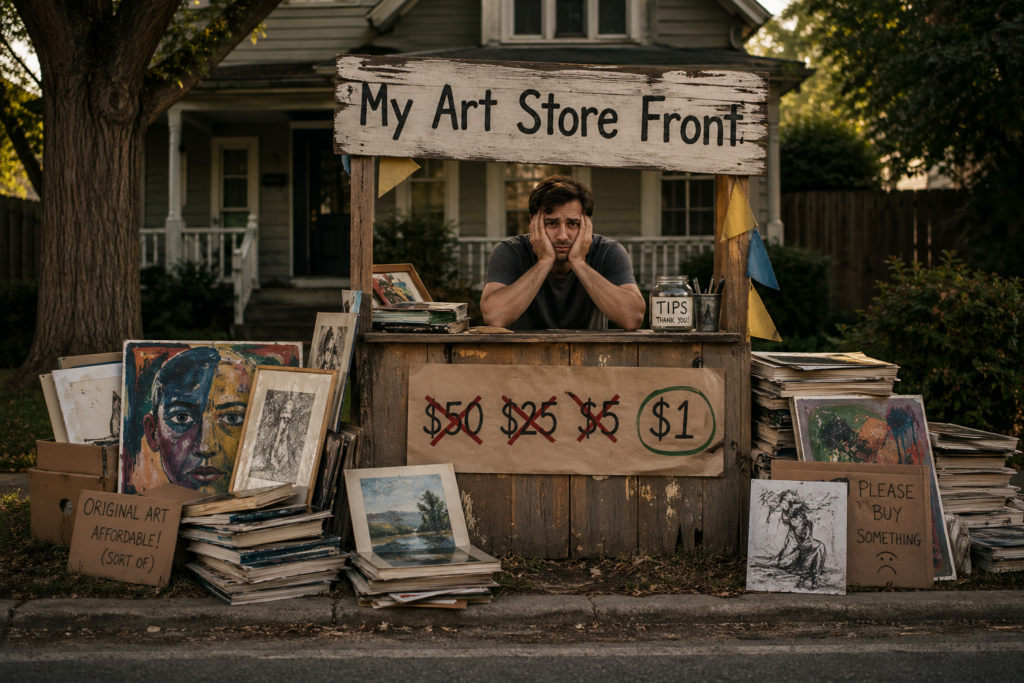
Creative culture has long celebrated the myth of effortless genius. We admire the masterpiece hanging in the gallery or the finished product on the shelf, but we rarely see the dozens—or hundreds—of drafts that came before it.
Sketchbooks filled with abandoned ideas.
Versions rewritten and rewritten again.
Designs revised through countless small adjustments.
Iteration reframes failure. Instead of seeing an imperfect result as a mistake, iteration treats it as information.
Every attempt answers a question:
- What worked?
- What didn’t?
- What can improve in the next version?
Through this process, creators transform uncertainty into clarity.
Iteration as the Engine of Creative Evolution
At its core, iteration is simply repetition with intention.
Each cycle moves the work forward. The idea becomes clearer, more refined, more aligned with the original vision.
This pattern appears across every creative discipline:
Artists sketch multiple studies before committing to a final composition.
Writers produce drafts, shaping tone, rhythm, and structure over time.
Designers prototype, test, adjust, and refine.
Engineers build versions, run experiments, and improve performance.
Iteration allows creativity to be dynamic instead of static. Rather than forcing perfection from the start, it allows the work to grow organically.
The first version is not the destination.
It is the beginning of the journey.
Where Human Imagination Meets Machine Intelligence
In the age of artificial intelligence, iteration has taken on a new dimension.
Human creators and intelligent systems now collaborate in ways that amplify the iterative process.
Humans provide:
- Vision
- Intuition
- Cultural context
- Emotional intelligence
Machines provide:
- Speed
- Pattern recognition
- Rapid variation
- Generative exploration
Together, they form a feedback loop.
A creator proposes an idea.
The machine generates possibilities.
The human evaluates, refines, redirects.
The machine responds again.
Each cycle sharpens the result.
Iteration becomes the language of collaboration between human and machine.
The Dialogue of Creation
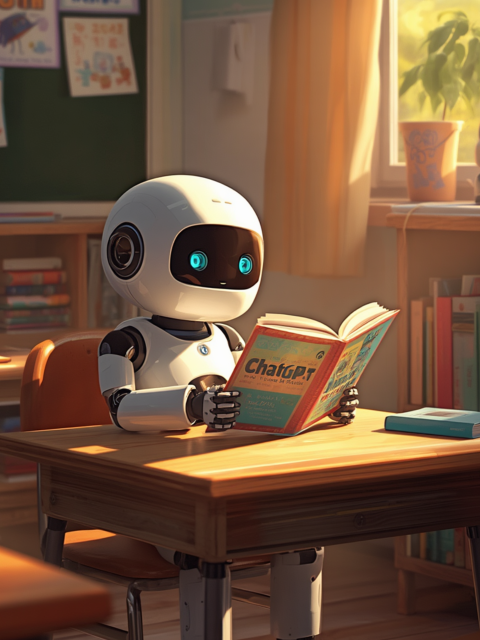
When creators work with AI, they are not simply issuing commands. They are engaging in a dialogue.
A prompt becomes a starting point.
The output becomes a response.
The next prompt becomes a refinement.
Through iteration, the creative direction becomes clearer.
This process mirrors traditional artistic practice:
A sculptor removes stone gradually.
A painter builds layers of color.
A writer shapes sentences through revision.
In AI-assisted creation, iteration plays the same role: shaping raw potential into intentional form.
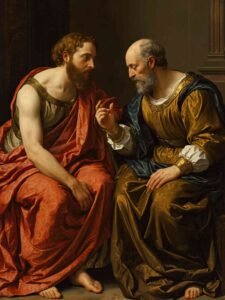
Iteration as Creative Courage
Iteration also demands something deeply human: courage.
It requires creators to accept that the first version will not be perfect.
It asks them to remain curious instead of discouraged.
It invites them to see every draft as progress rather than failure.
This mindset transforms the creative process.
Instead of asking, “Is this good enough?”
Creators begin asking, “What does the next version teach me?”
Iteration rewards persistence.
The creator who continues refining, adjusting, and exploring will always travel farther than the one who waits for perfection before beginning.
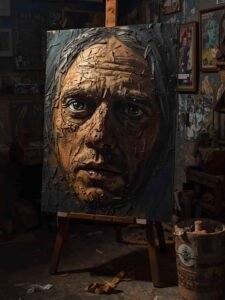
The Bridge to Realization
Every great vision begins as something fragile: an idea.
Iteration strengthens that idea through action.
Concept becomes prototype.
Prototype becomes structure.
Structure becomes a finished work capable of reaching the world.
Without iteration, vision remains abstract.
With iteration, vision becomes real.

A New Creative Renaissance
We are living in a moment where human imagination and machine intelligence are intersecting in unprecedented ways. This collaboration is accelerating the pace of creative exploration.
But even in this new technological era, the core principle remains unchanged:
Creation is not a single act.
Creation is a process.
Iteration is the bridge that allows ideas to cross from the mind into reality. It connects:
- imagination and execution
- experimentation and mastery
- human creativity and artificial intelligence
And for those willing to embrace the process, iteration reveals a powerful truth: The masterpiece was never hiding in the first attempt. It was waiting patiently in the next version.
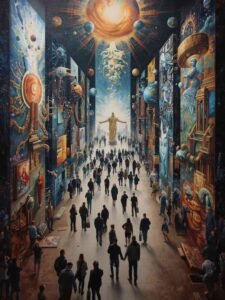
The Haus Of Legends believes that creativity is a living process—one built through curiosity, courage, and continual refinement.
Because legends are not created in a single moment.They are forged through iteration.
New arrivals
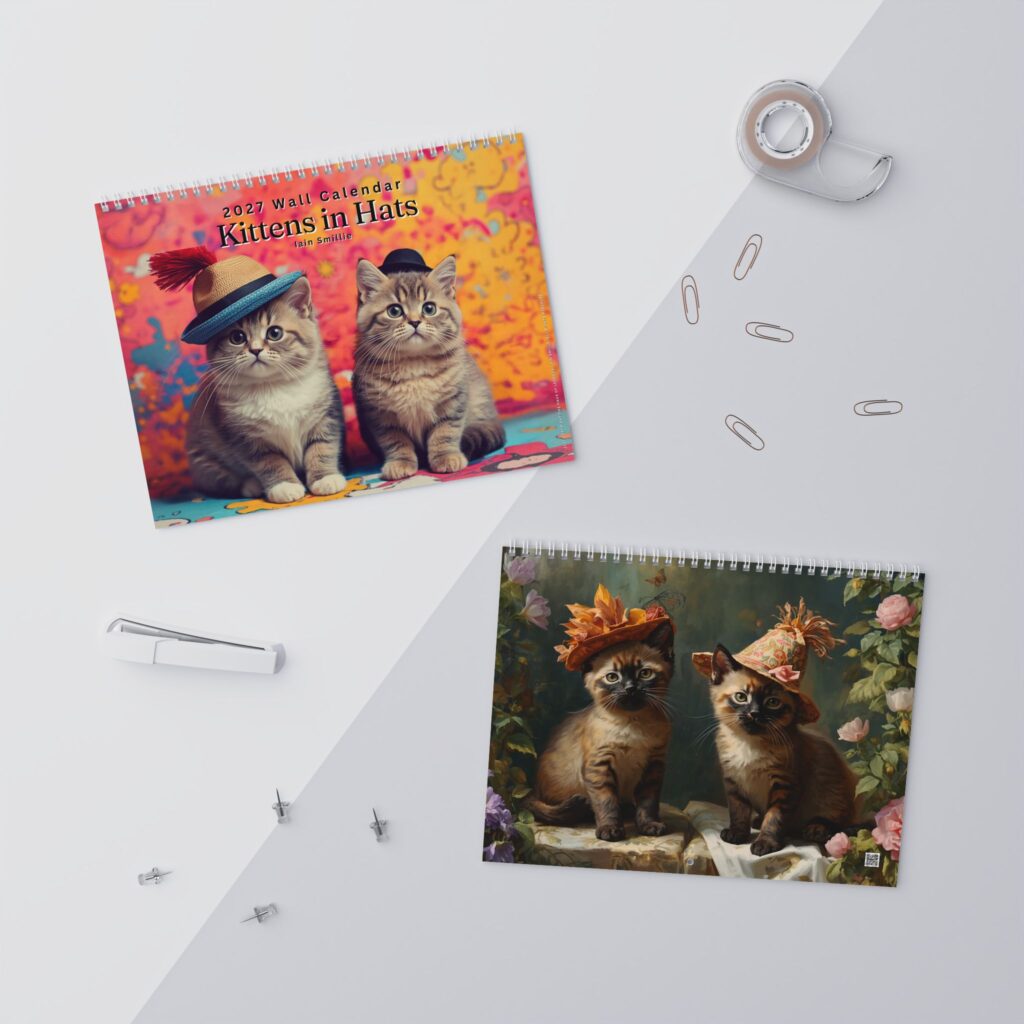
Continue Learning
This article is part of The Haus Of Legends educational ecosystem. Continue with: