Understanding Stencil Art: History, Characteristics, Artists, Influence & AI Art Prompts
Stencil Art is a visual art style and production method that uses cut-out templates, known as stencils, to reproduce imagery quickly and consistently across surfaces such as walls, posters, canvas, textiles, and public architecture. While stencil techniques date back thousands of years, the modern movement became closely associated with graffiti culture, political activism, punk aesthetics, and urban street art during the late 20th century.
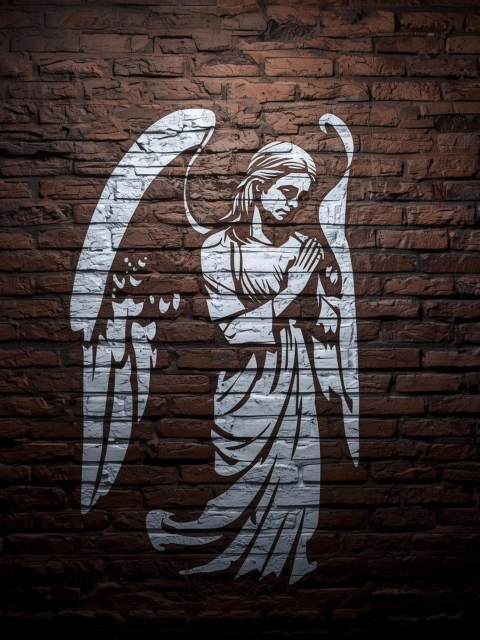
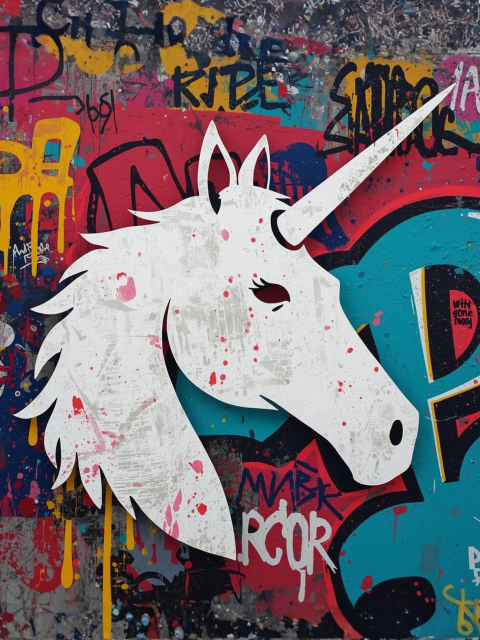
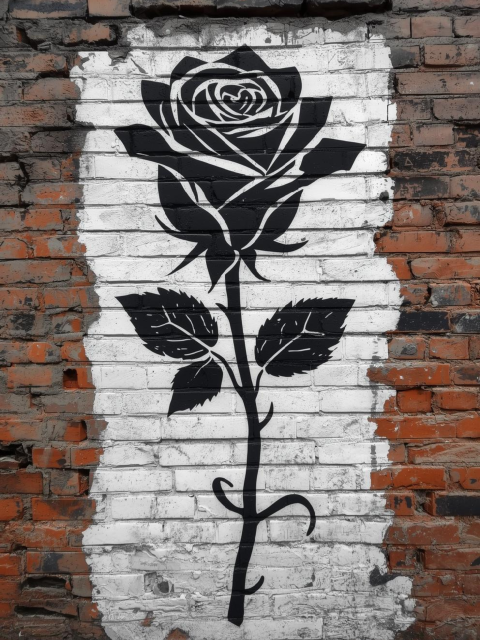
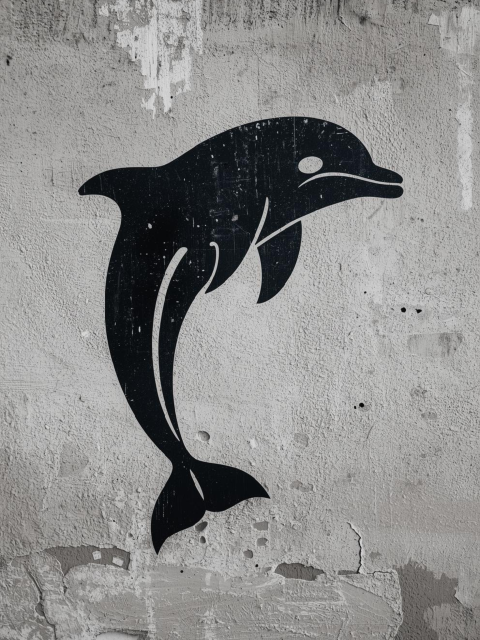
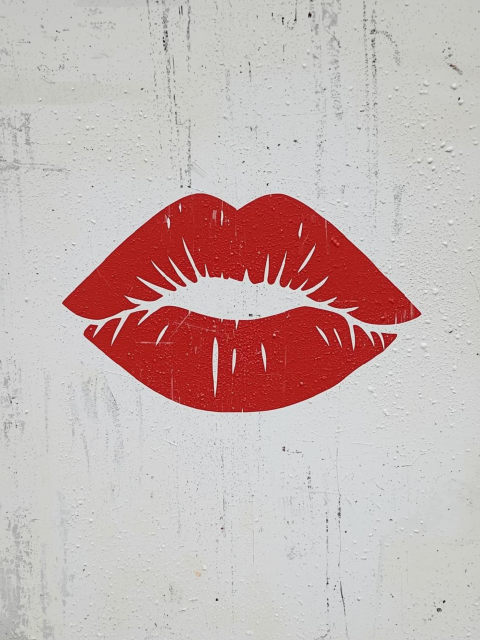
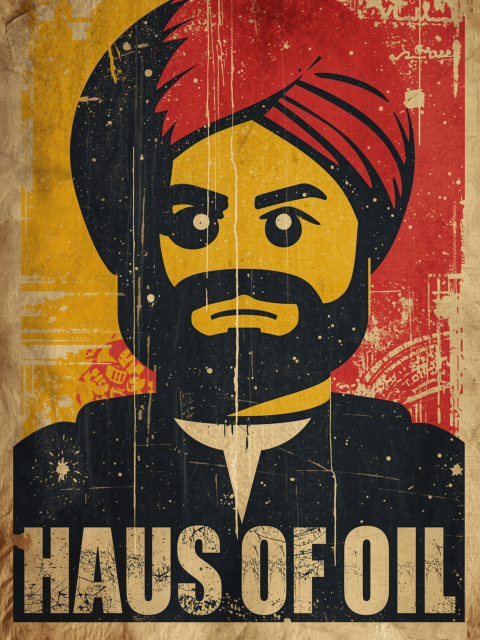
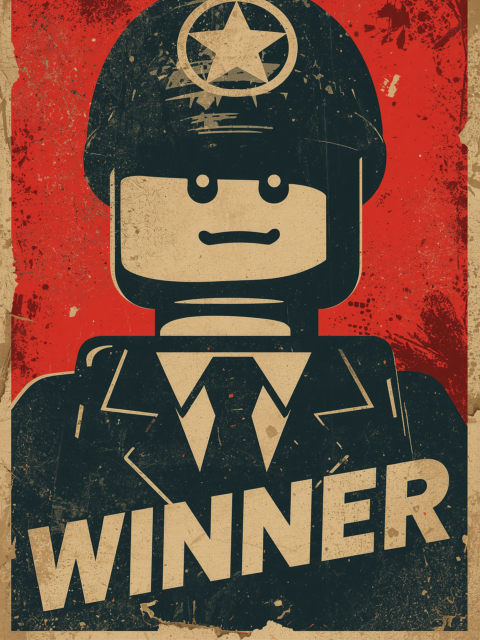
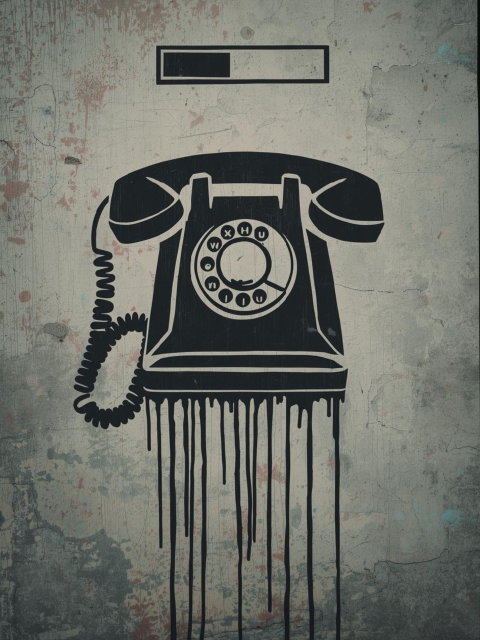
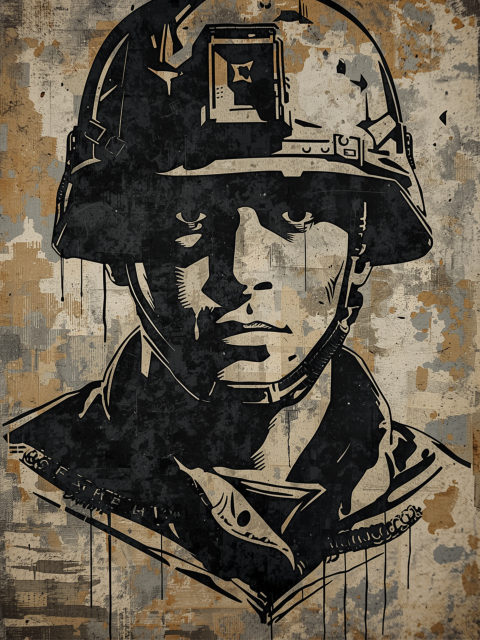
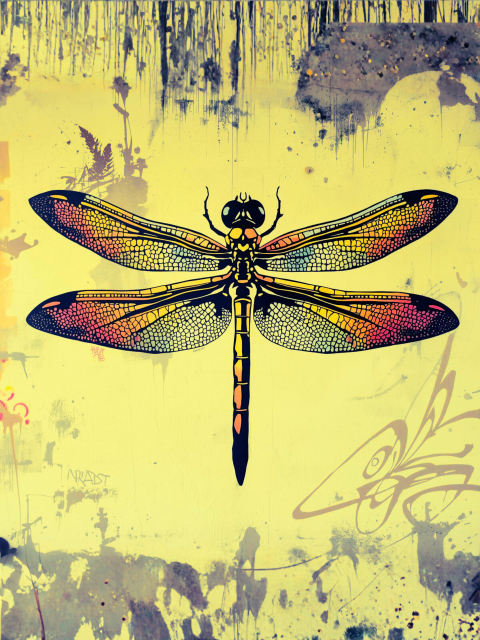
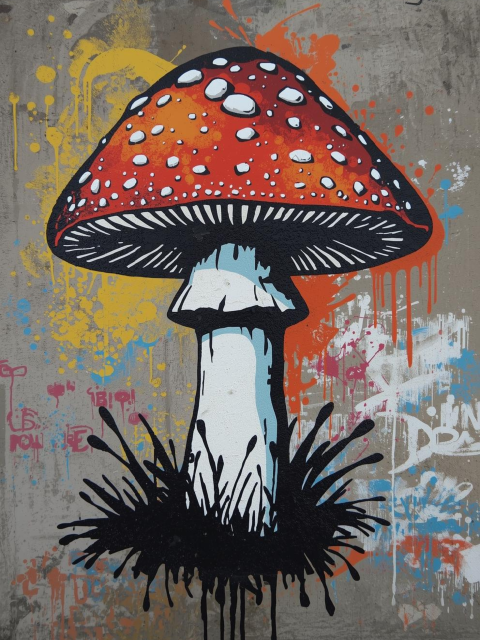
The style is recognized through bold silhouettes, strong contrast, layered spray-paint effects, graphic simplification, and highly readable compositions. Because stencils allow rapid image reproduction, they became especially effective for public art, protest messaging, underground publishing, and social commentary.
Today, Stencil Art continues to influence contemporary street culture, gallery art, fashion graphics, advertising, digital illustration, and AI-generated visual aesthetics.
Characteristics of Stencil Art
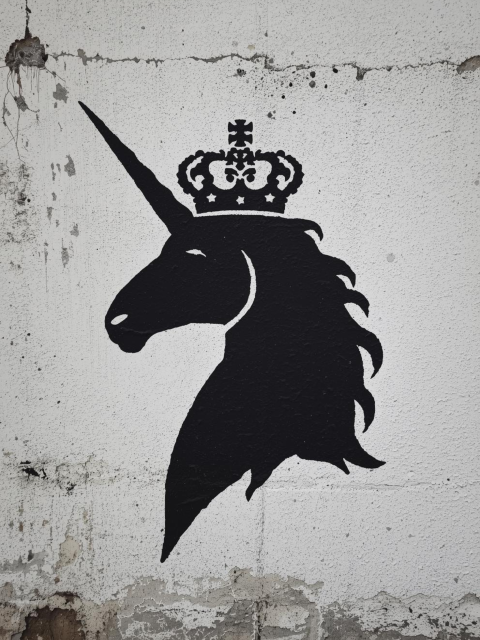
Stencil Art is built around clarity, repetition, and visual impact. Artists simplify imagery into tonal layers and graphic forms that remain recognizable even from large distances or fast-moving urban environments.
The movement is heavily associated with rebellion, public communication, and accessible art-making outside traditional gallery systems. Many stencil works incorporate political themes, anti-establishment messaging, satire, or commentary on consumer culture and authority.
Common characteristics include:
- Bold silhouettes and hard-edged forms
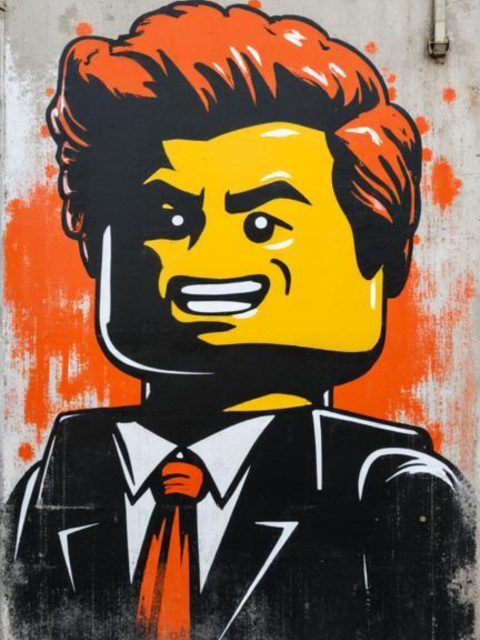
- High-contrast black-and-white imagery
- Limited or controlled color palettes
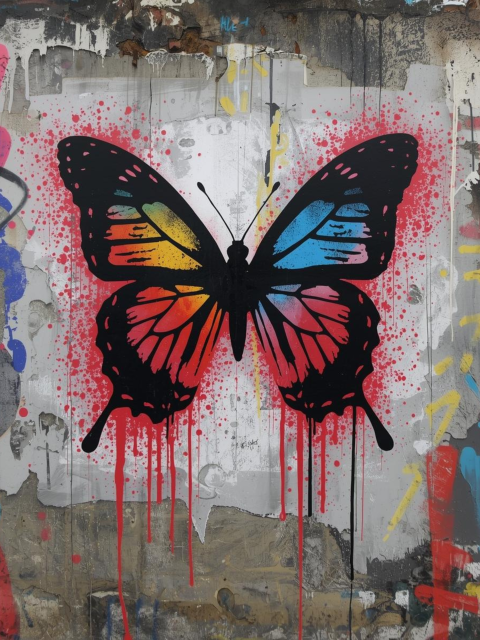
- Layered spray-paint applications
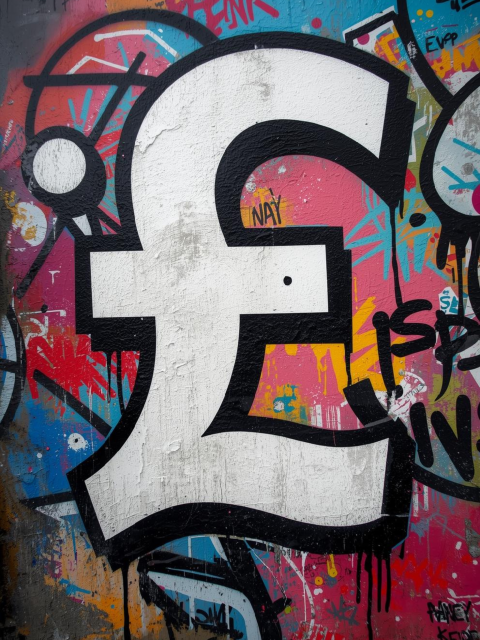
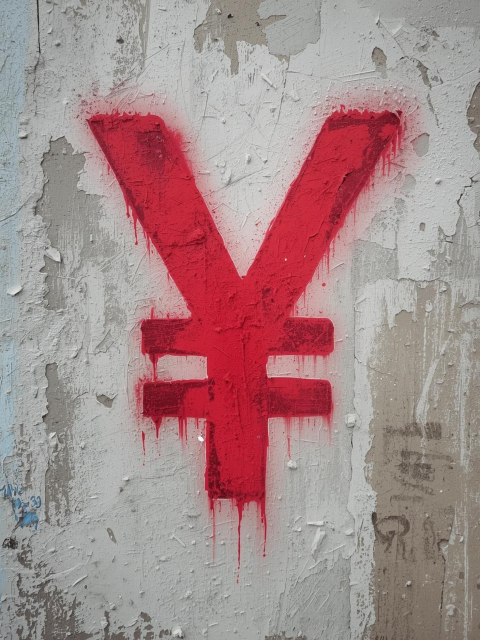
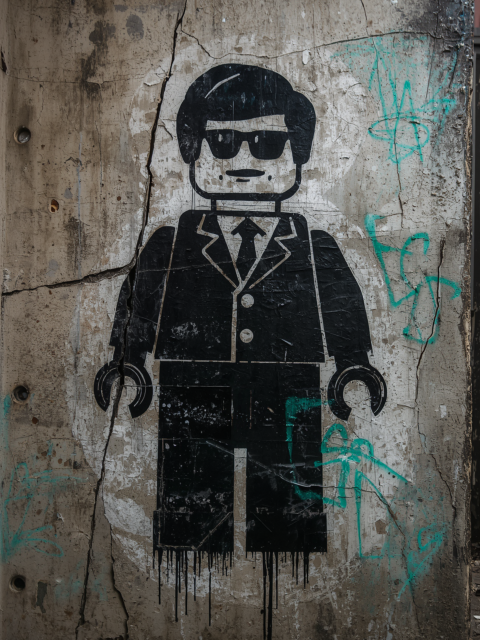
- Distressed textures and urban surfaces
- Repeated imagery and modular layouts
- Strong typography and symbolic imagery
- Political and social commentary
Mediums and Techniques
- Single-layer stencil compositions
- Multi-layer tonal stencils
- Spray-paint layering
- Reverse stenciling
- Typography masking
- Wheatpaste stencil posters
- Digital vector stencil preparation
Modern creators frequently combine traditional stencil workflows with software such as Photoshop, Illustrator, Procreate, and AI-assisted image generation tools.

Artistic Expression and Visual Language
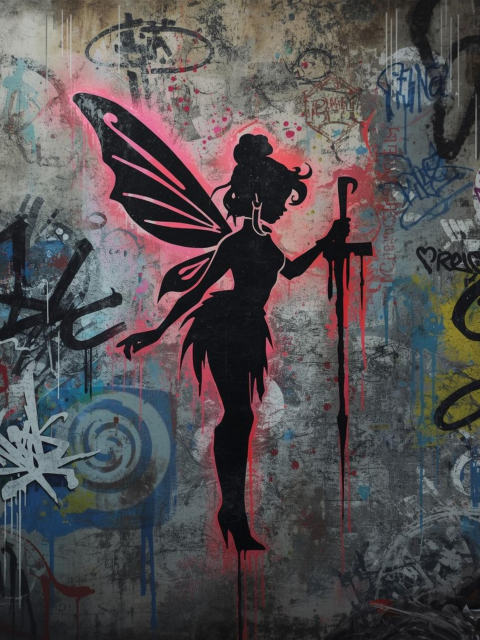
The visual language of Stencil Art is immediate, graphic, and emotionally direct. Unlike highly rendered realism, stencil imagery is designed to communicate quickly and clearly.
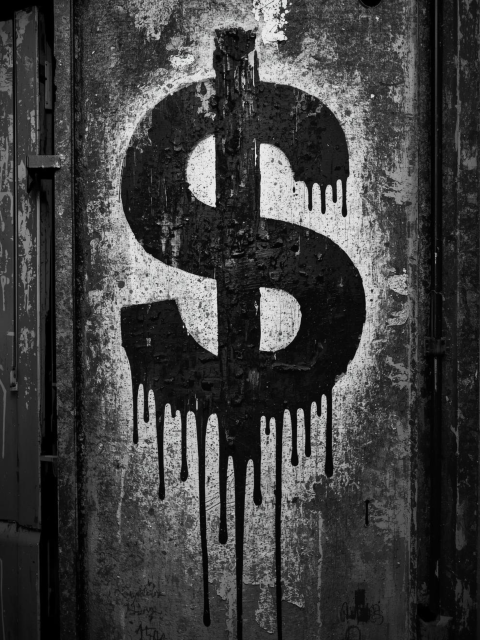
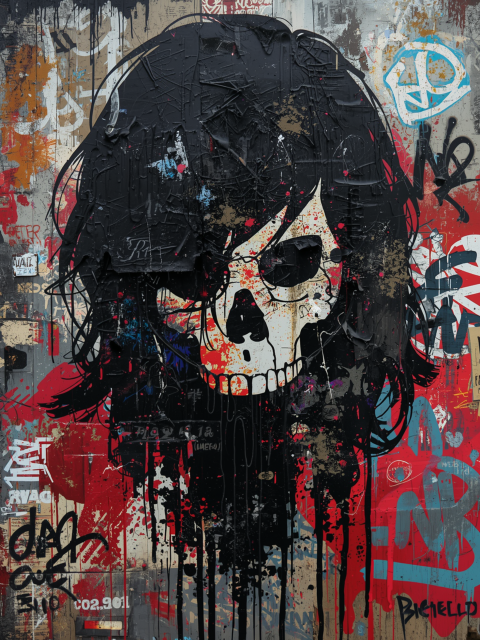
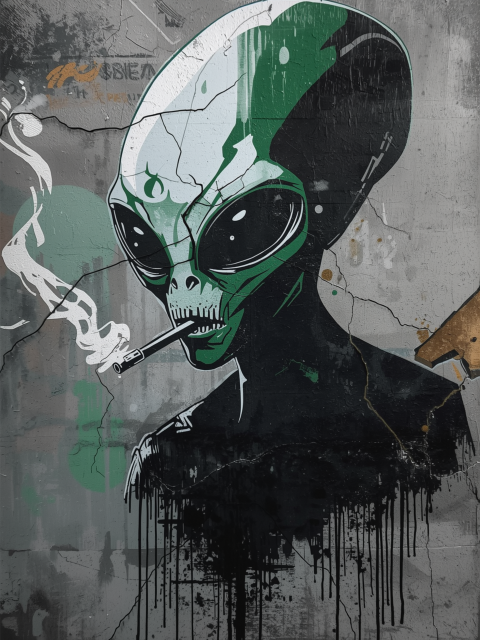
Color palettes commonly use black, white, red, and industrial tones, though contemporary artists also experiment with neon sprays, metallic finishes, and layered color systems. Overspray, paint drips, cracked walls, peeling posters, and weathered concrete are often embraced as part of the final composition.
Recurring themes include:
- Resistance and rebellion
- Consumer culture and propaganda
- Surveillance and authority
- Identity and protest
- Satire and political commentary
- Urban life and decay
The emotional tone can range from confrontational and dystopian to poetic and humorous depending on the artist’s intent.

Historical Context and Global Influence
Although stencil techniques have ancient origins, modern Stencil Art emerged prominently during the 1960s–1980s through protest movements, punk graphics, graffiti culture, and underground publishing scenes in cities such as New York, Paris, London, and Berlin.
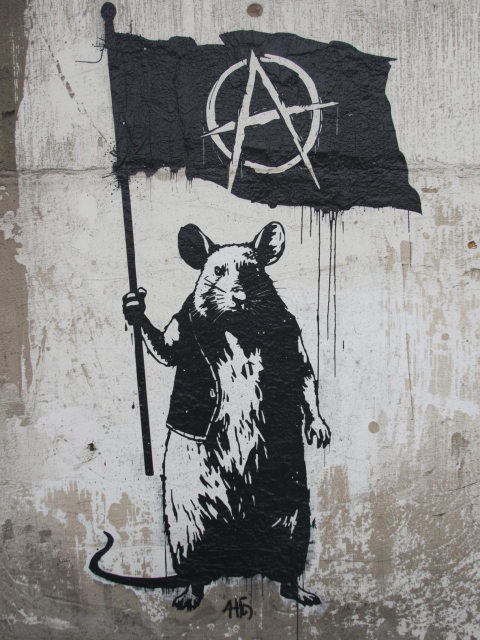
French artist Blek le Rat became one of the pioneers of modern stencil street art through his public interventions in Paris. Later, Banksy brought global mainstream attention to stencil-based street art through politically charged imagery and satirical urban installations.
Shepard Fairey further expanded stencil aesthetics into propaganda-inspired graphic design, branding, and commercial culture through projects such as OBEY Giant and the Obama HOPE poster.
Today, stencil-inspired aesthetics influence fashion, music graphics, advertising, social media visuals, gaming culture, NFTs, and contemporary mural festivals around the world.
Influence on the Art World and Creative Economy
Stencil Art transformed public space into a platform for artistic expression. The movement challenged traditional gallery systems by placing artwork directly into streets, transit systems, and urban architecture where audiences encountered it naturally during daily life.
Its influence now extends across:
- Streetwear and apparel graphics
- Protest posters and activism
- Advertising and guerrilla marketing
- Music visuals and album design
- Skateboarding and punk culture
- Contemporary mural movements
- Social media aesthetics
- AI-generated urban artwork
The rise of collectible street art also blurred the boundaries between underground culture and mainstream commercial markets.
Notable Artists
Banksy
Banksy became one of the world’s most recognized stencil artists through politically charged works combining dark humor, anti-authoritarian commentary, and instantly recognizable urban imagery.
Notable works include Girl with Balloon and Love is in the Bin.
Blek le Rat
Often called one of the founders of modern stencil street art, Blek le Rat introduced stencil-based interventions throughout Paris during the 1980s and heavily influenced later generations of urban artists.
Shepard Fairey
Fairey merged stencil aesthetics with propaganda-inspired graphic design and commercial branding. His OBEY Giant campaign became one of the most influential examples of street-based visual culture entering mainstream media.
Important Works and Key Examples
Girl with Balloon— Banksy
A globally recognized stencil artwork combining emotional simplicity with social and political ambiguity.
OBEY Giant— Shepard Fairey
A landmark example of stencil-inspired propaganda aesthetics and viral street branding.
Paris Rat Series — Blek le Rat
A recurring symbol of underground urban culture, survival, and artistic infiltration within modern cities.

Construction and Production Techniques
Stencil production begins with simplifying imagery into tonal layers that can be physically cut and reproduced. Artists must carefully preserve structural connections so the stencil remains stable during use.
Traditional methods involve hand-cutting templates, while contemporary workflows often use digital vector tracing, laser cutters, projection systems, and AI-assisted image preprocessing.
Advanced stencil artists frequently combine:
- Photographic tonal reduction
- Vector mapping
- Multi-layer registration systems
- Spray gradient control
- Mixed-media collage techniques
- Wheatpaste installation
- Digital stencil preparation
The balance between precision and spontaneity remains central to the movement’s identity.
Stencil Art in Contemporary Culture
Stencil Art remains highly influential across film, gaming, fashion, branding, editorial design, and internet aesthetics. The style frequently appears in dystopian and cyberpunk visual worlds because of its association with rebellion, protest culture, and underground communication.
AI-generated art tools now regularly simulate stencil layering, spray textures, distressed surfaces, and propaganda-style compositions, helping extend stencil aesthetics into contemporary digital workflows.
The movement continues to evolve while maintaining its roots in public expression, social commentary, and accessible visual communication.
AI Art Prompts for Stencil Art
Character Prompt
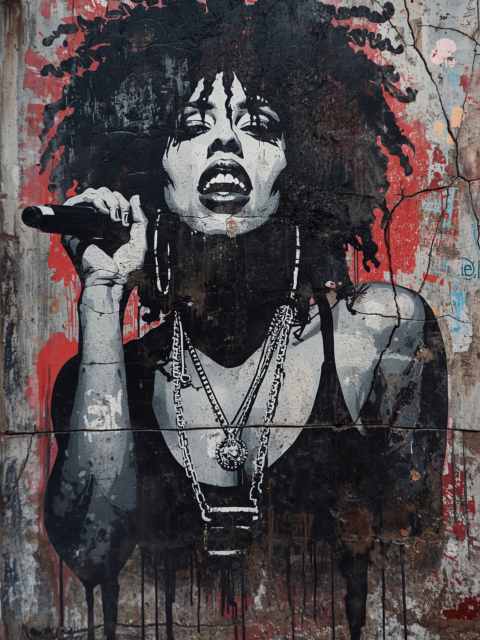
“Urban stencil portrait of a rebellious punk musician on a cracked concrete wall, layered spray paint textures, black white and red palette, gritty street art atmosphere, cinematic lighting.”
Environment Prompt
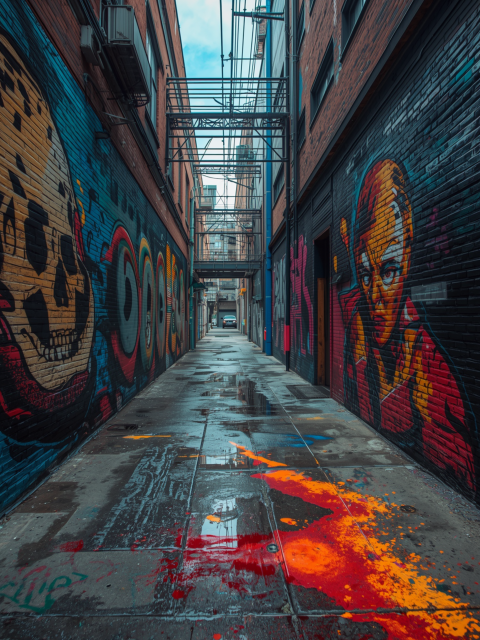
“Industrial alley covered in large-scale stencil murals, distressed urban textures, wet pavement reflections, dystopian city atmosphere, detailed spray paint effects.”
Poster Design Prompt
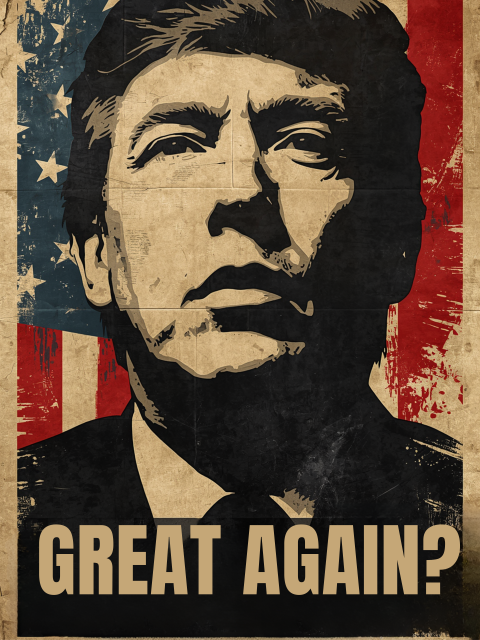
“Political protest poster inspired by stencil street art, bold graphic portrait, distressed paper textures, propaganda-inspired typography, cinematic composition.”
Fashion Prompt
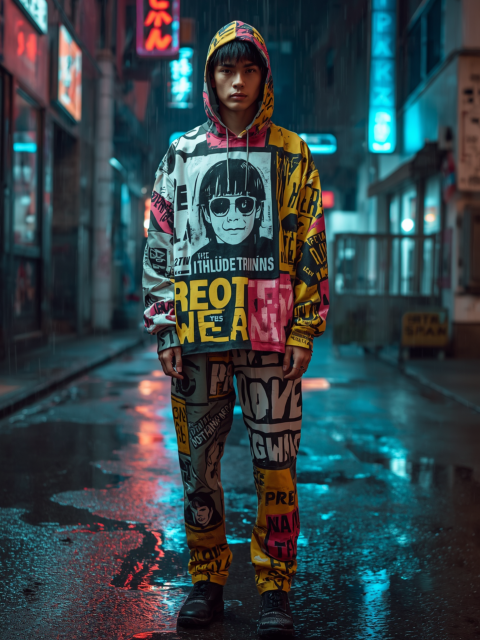
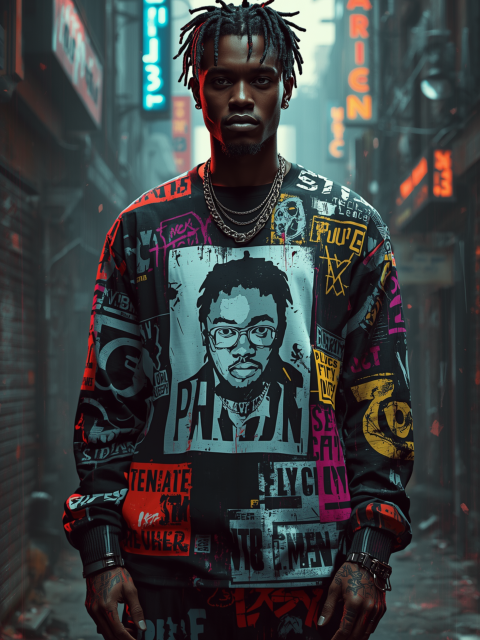
“Cyberpunk streetwear model wearing stencil-inspired fashion covered in spray paint graphics and protest typography, urban dystopian environment.”
Experimental Prompt
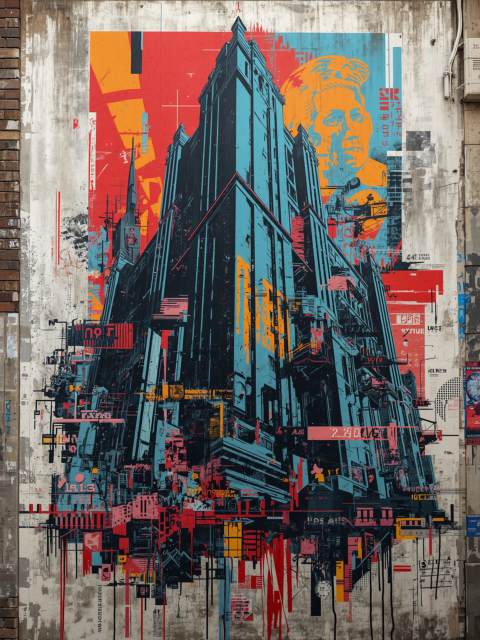
“Hybrid AI-generated stencil mural combining brutalist architecture, glitch aesthetics, layered propaganda imagery, futuristic street art environment.”
Conclusion
Stencil Art evolved from an ancient reproduction technique into one of the most influential visual languages in modern urban culture. Through bold contrast, rapid communication, and public accessibility, the movement reshaped street art, protest graphics, fashion, advertising, and contemporary design.
For artists, designers, and AI creators, studying Stencil Art offers valuable insight into composition, symbolism, simplification, and visual impact. Its influence continues to expand across both physical and digital creative spaces, ensuring its lasting role within contemporary visual culture.gh to be repeated.
FREE DOWNLOAD “Stencil Art Quick Glossary” Reference PDF
Continue Learning
This article is part of The Haus Of Legends educational ecosystem. Continue with: